“`html
Most business owners waste hours staring at blank screens. You need blog post templates that work fast. Templates give you structure, save time, and help you write better blog posts.
I built Uplify after generating $25M for clients. These blog post templates work for service businesses. No fluff, just proven blog structure templates that get results.
Your blog needs a clear blog format. Templates help you organize ideas quickly. So, you publish more content and attract more clients.
Table of Contents
- Why Blog Post Templates Matter for Your Business
- 7 Blog Structure Templates Every Business Needs
- How to Use Blog Post Templates Effectively
- AI Blog Template Tools That Speed Up Writing
- Blog Format Best Practices and Structure Guide
- Frequently Asked Questions
Why Blog Post Templates Matter for Your Business
Blog post templates save you hours every week. Most business owners spend 3-4 hours writing one blog post. Templates cut that time in half.
A good blog structure template gives you a proven blog format. You know exactly what to write in each section. So, you finish faster and publish more often.
Templates Improve Your Blog Quality
Blog post templates help you organize thoughts better. Your blog structure becomes clearer. Readers follow your ideas easily because the blog format makes sense.
Templates also boost your SEO rankings. Search engines love clear blog structure templates. Your blog outline matches what Google wants to see.
According to the SBA marketing guide, consistent content drives business growth. Templates help you stay consistent.
Why Service Businesses Need Blog Templates
Service businesses face unique blog challenges. You need templates that showcase expertise quickly. Your blog structure must build trust fast.
Blog post templates help you demonstrate value. Each template follows a proven blog format. So, prospects see your knowledge immediately.
Your blog outline should address client problems directly. Templates ensure you cover all key points. The blog structure keeps you focused on solutions.
Expert Insight from Kateryna Quinn, Forbes Next 1000:
“Templates helped me scale content from zero to 50 blog posts. They work because they remove guesswork. Your blog structure becomes predictable and effective.”
How Templates Save Time and Money
Blog post templates reduce writing time by 50%. You spend less time planning each blog post. The blog structure template guides every section.
Templates also reduce editing time significantly. Your blog format stays consistent across all posts. So, proofreading becomes faster and easier.
Most businesses save 10-15 hours monthly using blog templates. That time goes back into serving clients. Your blog outline process becomes a quick task.
7 Blog Structure Templates Every Business Needs
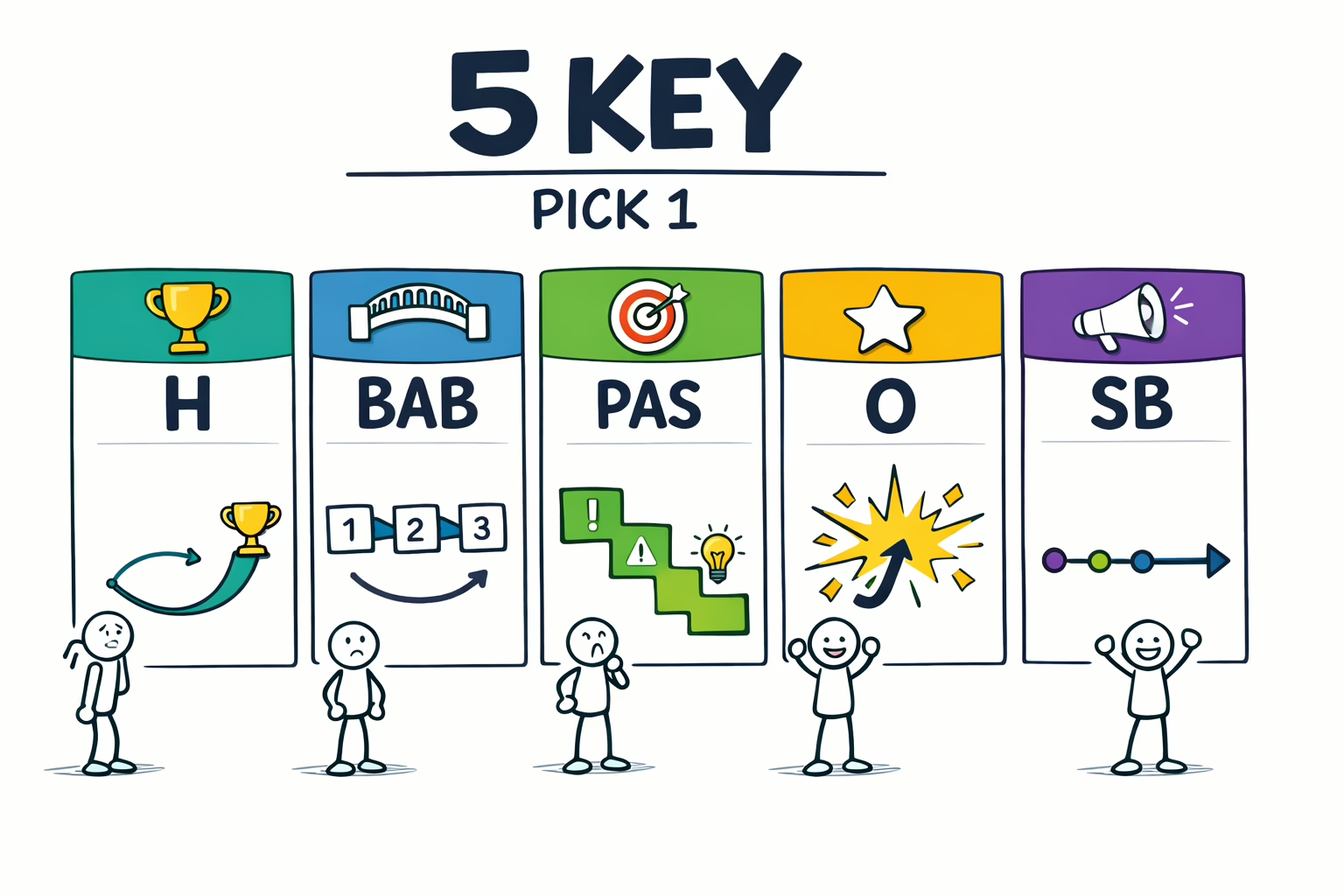
Different blog posts need different blog post templates. Here are seven blog structure templates that work for service businesses.
1. The How-To Blog Template
This blog format teaches readers a specific skill. Your blog structure breaks down complex tasks into simple steps.
Blog outline structure:
- Introduction with the problem statement
- Why this skill matters now
- Step-by-step instructions with blog structure
- Common mistakes to avoid
- Conclusion with next steps
How-to blog post templates work great for technical topics. The blog format makes complicated ideas simple. Your blog structure guides readers through each step.
2. The List Blog Post Template
List blog templates organize information clearly. Your blog structure uses numbered points. Readers scan the blog format quickly.
Blog outline for lists:
- Compelling title with number
- Brief introduction explaining the list
- 5-10 main points with blog structure
- Short explanation for each point
- Summary and call to action
List blog post templates get high engagement. The blog format appeals to busy readers. Your blog structure makes content scannable.
3. The Problem-Solution Blog Template
This blog structure template addresses client pain points. Your blog format identifies problems first. Then you present solutions clearly.
Blog outline structure:
- Problem description with real examples
- Why the problem exists
- Impact on business operations
- Your solution with blog structure
- Implementation steps and blog format
Problem-solution blog post templates build trust fast. The blog structure shows you understand client challenges. Your blog outline demonstrates expertise naturally.
4. The Case Study Blog Template
Case study blog templates prove your results. Your blog structure tells client success stories. The blog format follows a clear pattern.
Blog outline for case studies:
- Client background and challenge
- Your approach and blog structure
- Implementation process with blog format
- Specific results with numbers
- Key lessons and takeaways
Case study blog post templates convert readers into clients. The blog structure builds credibility. Your blog outline shows real-world success.
5. The Comparison Blog Template
Comparison blog templates help readers choose options. Your blog structure presents alternatives fairly. The blog format makes differences clear.
Blog outline structure:
- Introduction to options being compared
- Criteria for comparison
- Side-by-side analysis with blog structure
- Pros and cons in blog format
- Recommendation based on needs
Comparison blog post templates rank well in search. The blog structure answers buyer questions. Your blog outline guides purchase decisions.
6. The Ultimate Guide Blog Template
Guide blog templates cover topics deeply. Your blog structure becomes your most valuable content. The blog format educates readers thoroughly.
Blog outline for guides:
- Table of contents with blog structure
- Introduction explaining scope
- 5-7 main sections with blog format
- Examples and visuals throughout
- Resources and next steps
Ultimate guide blog post templates attract links. The blog structure positions you as an expert. Your blog outline becomes a reference resource.
7. The FAQ Blog Template
FAQ blog templates answer common questions. Your blog structure addresses concerns directly. The blog format uses a question-answer pattern.
Blog outline structure:
- Introduction about topic relevance
- 5-10 frequently asked questions
- Clear answers with blog structure
- Related questions and blog format
- Conclusion with contact information
FAQ blog post templates reduce support requests. The blog structure builds trust quickly. Your blog outline helps prospects self-educate.
Need help creating these blog posts faster? The AI blog writer tool generates content using any blog template structure.
How to Use Blog Post Templates Effectively
Blog post templates work best with a clear process. Your blog structure improves with practice. Follow these steps for better blog format results.
Choose the Right Template First
Match your blog structure template to your goal. Different topics need different blog formats. Pick the blog outline that fits your message.
Ask these questions before starting:
- What problem does this blog post solve?
- Which blog structure template fits best?
- Does the blog format match reader expectations?
- Will this blog outline achieve your goal?
The right blog post template makes writing easier. Your blog structure flows naturally. The blog format guides your content creation.
Customize Templates for Your Brand
Generic blog structure templates need personalization. Your blog format should reflect your voice. Customize each blog outline with specific examples.
Add these elements to every blog post:
- Your unique perspective on the topic
- Client stories within blog structure
- Industry-specific advice in blog format
- Personal experiences throughout blog outline
Customized blog post templates feel authentic. The blog structure stays consistent. Your blog format becomes recognizable to readers.
Fill Templates with Quality Content
Blog structure templates provide the skeleton. You add the valuable content. Your blog format needs substance, not just structure.
Research your topic thoroughly first. Then fill each section of your blog outline. The blog structure template keeps you organized.
Quality content follows this blog format:
- Specific examples, not vague statements
- Data points supporting your blog structure
- Actionable advice in every blog section
- Clear next steps within blog outline
Strong blog post templates work because of your content. The blog structure simply organizes your expertise. Your blog format makes ideas accessible.
Test and Refine Your Templates
Blog structure templates improve over time. Track which blog formats perform best. Refine your blog outline based on results.
Monitor these metrics for each blog post:
- Time on page for blog structure
- Scroll depth through blog format
- Conversion rate from blog outline
- Social shares of blog content
Successful blog post templates evolve with your audience. Your blog structure adapts to reader needs. The blog format improves with feedback.
Research from Forbes content marketing data shows consistent blog structure drives better results.
Create a Template Library
Build a collection of blog post templates. Your blog structure options multiply. Store different blog formats for various topics.
Organize your blog templates by:
- Blog structure type and purpose
- Target audience for blog format
- Content length in blog outline
- Topic category and blog theme
A template library speeds up blog creation. Your blog structure stays consistent. The blog format becomes faster to implement.
AI Blog Template Tools That Speed Up Writing
AI tools make blog post templates even faster. Your blog structure gets generated in minutes. The blog format comes ready to customize.
How AI Blog Writers Use Templates
AI blog template tools follow proven blog structure patterns. They understand effective blog formats. Your blog outline gets created automatically.
AI tools analyze thousands of successful blog posts. They learn which blog structure works best. The blog format adapts to your topic.
Benefits of AI blog post templates include:
- Instant blog structure generation
- Multiple blog format options
- SEO-optimized blog outline creation
- Consistent blog template quality
AI-powered blog structure saves massive time. Your blog format stays professional. The blog outline covers all key points.
Choosing the Right AI Blog Tool
Different AI tools offer different blog post templates. Your blog structure needs match your goals. Pick tools with flexible blog formats.
Look for these features in AI blog tools:
- Multiple blog structure template options
- Customizable blog format settings
- Industry-specific blog outline creation
- SEO optimization in blog templates
The best AI blog post templates feel human. Your blog structure sounds natural. The blog format engages readers effectively.
Try the AI blog template generator for instant blog structure creation. It produces ready-to-use blog formats in minutes.
Combining AI with Human Editing
AI creates the blog structure template fast. You add personality and expertise. This combination produces the best blog format.
Use AI for your blog outline first. Then customize with your unique insights. The blog structure stays strong while sounding authentic.
Edit AI-generated blog post templates by:
- Adding personal stories to blog structure
- Including client examples in blog format
- Adjusting tone throughout blog outline
- Inserting specific data into blog content
This approach maximizes blog template efficiency. Your blog structure gets done faster. The blog format maintains high quality.
AI Tools for Different Template Types
Specialized AI tools handle different blog post templates. Some excel at how-to blog structures. Others create better list blog formats.
Match AI tools to your blog template needs:
- How-to blog structure generators
- List blog format creators
- Case study blog outline tools
- Comparison blog template builders
The right AI tool improves your blog structure. Your blog format comes out cleaner. The blog outline requires less editing.
Blog Format Best Practices and Structure Guide
Great blog post templates follow proven rules. Your blog structure needs specific elements. The blog format should meet reader expectations.
Essential Blog Structure Elements
Every blog template needs these core components. Your blog format builds on this foundation. The blog outline includes all critical sections.
Required blog structure elements:
- Compelling headline with keywords
- Opening hook in blog format
- Clear introduction explaining blog structure
- Subheadings throughout blog outline
- Conclusion with call to action
These elements make blog post templates effective. Your blog structure guides reader journey. The blog format keeps content organized.
Blog Outline Length Guidelines
Different blog structure templates need different lengths. Your blog format should match topic complexity. The blog outline scales with content depth.
Follow these blog post length guidelines:
- Short blog templates: 800-1200 words
- Medium blog structure: 1500-2000 words
- Long blog format: 2500-3500 words
- Guide blog outline: 4000+ words
Length affects your blog template performance. Shorter blog structures work for simple topics. Longer blog formats rank better for competitive keywords.
According to HubSpot marketing research, longer blog posts generate more traffic and leads.
SEO in Blog Structure Templates
Blog post templates must include SEO elements. Your blog structure needs keywords naturally. The blog format supports search rankings.
Optimize your blog outline with:
- Primary keywords in blog structure
- Secondary keywords throughout blog format
- Meta descriptions for blog templates
- Internal links within blog outline
SEO-friendly blog templates rank faster. Your blog structure satisfies search engines. The blog format meets user intent.
Visual Elements in Blog Templates
Blog structure templates need visual breaks. Your blog format shouldn’t be all text. Add elements throughout your blog outline.
Include these visuals in blog posts:
- Images supporting blog structure
- Lists breaking up blog format
- Charts illustrating blog points
- Quotes highlighting blog insights
Visual blog post templates engage readers better. Your blog structure becomes easier to scan. The blog format holds attention longer.
Mobile-Friendly Blog Format
Most readers view blog templates on phones. Your blog structure must work on small screens. The blog format needs mobile optimization.
Make blog outlines mobile-friendly by:
- Short paragraphs in blog structure
- Clear subheadings throughout blog format
- Bullet points breaking blog content
- Quick-loading images in blog templates
Mobile-optimized blog post templates perform better. Your blog structure adapts to any device. The blog format improves user experience.
Blog Template Consistency
Consistent blog structure builds recognition. Your blog format becomes familiar to readers. The blog outline follows predictable patterns.
Maintain consistency across blog templates through:
- Similar blog structure in each post
- Matching blog format styles
- Consistent blog outline sections
- Uniform blog template elements
Consistent blog post templates build trust. Your blog structure becomes your brand. The blog format creates reader expectations.
Learn more about blogging strategies that support your blog template success.
Step-by-Step Process: Creating Your First Blog Post Template
Follow these steps to build an effective blog structure template. This blog format works for any service business. Your blog outline will be ready to use.
- Define your blog post goal. Know what you want readers to do. Your blog structure should support that goal clearly.
- Choose a template type. Pick from the seven blog formats above. Match the blog outline to your content needs.
- Create your headline structure. Write a formula for blog titles. Your blog format should include keywords naturally.
- Outline introduction sections. Plan how each blog post starts. The blog structure should hook readers immediately.
- Map main content sections. Decide what your blog format covers. Build a logical blog outline structure.
- Plan subheading formulas. Create patterns for blog structure breaks. Your blog template needs clear navigation.
- Design conclusion format. Write a template for blog endings. Include a call to action in your blog outline.
- Add SEO elements. Build keyword placement into blog structure. Your blog format should optimize for search.
- Include visual placeholders. Mark where images go in blog templates. Your blog outline should prompt visual breaks.
- Test and refine. Write three blog posts using your structure. Improve the blog format based on results.
This process creates reusable blog post templates. Your blog structure becomes your writing system. The blog format speeds up content creation.
Quick Reference: What Are Blog Post Templates?
Blog post templates are pre-structured formats for writing blog content. They provide a proven blog structure that saves time. Templates include a clear blog outline with sections, headlines, and flow.
A blog template defines your blog format before you write. It tells you what to include in each section. The blog structure guides your content creation process.
Good blog post templates work for any topic. Your blog format stays consistent across posts. The blog outline ensures you cover all important points.
Blog structure templates help you write faster and better. They remove the blank page problem. Your blog format becomes predictable and effective.
Frequently Asked Questions
What is a blog post template?
A blog post template is a pre-made blog structure. It provides a blog format with sections already outlined. Templates save time by giving you a clear blog outline to follow for writing content.
How do blog templates improve writing speed?
Blog structure templates eliminate planning time. You know the blog format before starting. The blog outline guides your writing, so you finish blog posts 50% faster than starting from scratch.
Which blog template works best for service businesses?
Problem-solution blog post templates work best for services. This blog structure addresses client pain points directly. The blog format builds trust while demonstrating your expertise and solution value clearly.
Can I customize blog post templates?
Yes, customize every blog structure template you use. Adjust the blog format to match your voice. Add personal stories to your blog outline. Customization makes templates feel authentic and unique to your brand.
Do AI tools create good blog templates?
AI tools create excellent blog structure foundations. They generate professional blog formats quickly. However, edit the blog outline with your expertise. Combine AI speed with human insight for best blog post results.
Ready to Write Better Blog Posts Faster?
Blog post templates transform your content creation. Your blog structure becomes consistent and effective. The blog format you choose impacts results significantly.
Start with one template type today. Test the blog structure on three posts. Refine your blog format based on what works. Build your template library over time.
Remember, templates provide the blog outline. You bring the expertise and personality. Your blog structure should sound like you, not a robot.
The right blog post template saves hours every week. Your blog format improves with practice. The blog structure becomes second nature quickly.
Stop staring at blank screens. Use proven blog templates that work. Your blog outline is ready to go. Start writing better blog posts today with the AI blog post template generator.
“`

Kateryna Quinn is the founder and CEO of Uplify AI, an AI-powered business strategist that helps service-based, brick-and-mortar small business owners increase profitability and reclaim their time. She also founded ASTASH, an award-winning full-service digital marketing agency specializing in SEO, Google Ads, branding, logo design, and website development, based in Northern Colorado. A Ukrainian immigrant who came to the United States at 17, Quinn has generated more than $25 million in organic revenue for her agency clients. She is a Forbes NEXT 1000 honoree and was named to NOCO Style Magazine’s 30 Under 30.