“`html
Your brand needs a story that sells. Most service businesses skip storytelling marketing and lose clients. Stories build trust fast.
Storytelling marketing turns your brand into a connection tool. People remember stories, not facts. Your marketing narrative creates emotional bonds with buyers.
I built a marketing agency from $3K to $34K monthly revenue and generated $25M for clients. Storytelling was the key. Now I help service businesses use brand storytelling to grow profits without burnout.
Table of Contents
- What Is Storytelling Marketing
- Why Storytelling Marketing Works for Service Brands
- The Brand Storytelling Framework That Converts
- Storytelling Marketing Examples for Service Businesses
- Common Storytelling Marketing Mistakes to Avoid
- How AI Tools Support Your Brand Storytelling
- Frequently Asked Questions
What Is Storytelling Marketing
Storytelling marketing uses narrative to connect your brand with customers. Your marketing story shows who you help and why you started. Brand storytelling makes your business human.
Most service businesses list features and prices. That approach fails because buyers need emotional connection first. A strong marketing narrative builds trust before the sale.
The Core Elements of Brand Storytelling
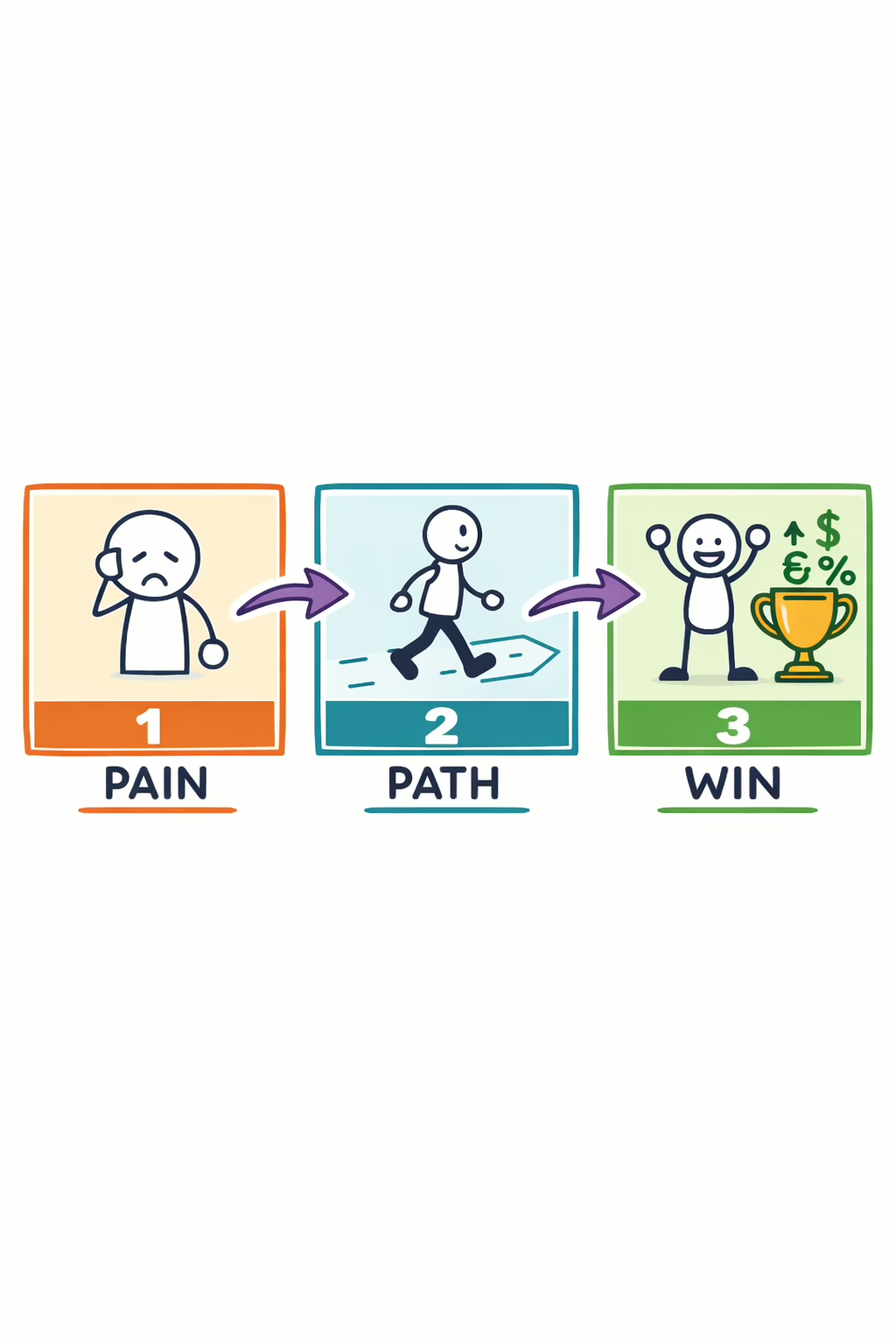
Every brand story needs three parts: character, conflict, and resolution. Your character is your ideal client. The conflict is their problem. Resolution shows how your service solves it.
Storytelling marketing works because brains process stories differently than data. Research shows stories activate multiple brain regions and create lasting memory. Facts alone get forgotten fast.
Your brand narrative should answer these questions in order. Who do you serve? What challenge do they face? How does your service transform their situation?
Why Service Businesses Need Storytelling Marketing
Service businesses sell intangible results, not physical products. Buyers can’t touch or see what you offer. Brand storytelling makes the invisible visible through narrative.
A fitness coach sells weight loss. That’s abstract until you tell Maria’s story. She lost 40 pounds in six months. Now she plays with her kids without getting tired.
Your marketing narrative turns abstract services into concrete transformation stories. Clients see themselves in your brand story. They trust you because the story proves you understand their world.
Expert Insight from Kateryna Quinn, Forbes Next 1000:
“I generated $25M in client revenue by leading with stories, not services. Brand storytelling creates instant trust. Facts tell, but stories sell every single time.”
The Difference Between Brand Stories and Sales Pitches
Sales pitches focus on your business and what you offer. Brand storytelling focuses on the customer and their transformation. That shift changes everything about how people respond.
A sales pitch says: “We offer bookkeeping services for small businesses.” A brand story says: “Sarah stopped losing sleep over messy finances when she finally found a bookkeeper who understood service businesses.”
Storytelling marketing builds relationship first, sale second. Your marketing narrative earns attention by giving value before asking for money. The storytelling marketing hub shows how brand stories outperform traditional ads.
Why Storytelling Marketing Works for Service Brands
Storytelling marketing works because humans are wired for narrative. Your brain remembers stories 22 times better than facts alone. Brand storytelling activates emotion, and emotion drives buying decisions.
Service businesses face a trust problem. Buyers can’t test your service before buying. Your marketing narrative solves this by showing past transformations. Story selling proves you deliver results.
The Psychology Behind Brand Storytelling
Stories trigger mirror neurons in the brain. When you hear a story, your brain experiences it as if it happened to you. This creates empathy and connection instantly.
Your brand story makes prospects feel understood. They see themselves in your marketing narrative. That feeling of being seen builds trust faster than any credential or testimonial.
Storytelling marketing also creates pattern recognition. When prospects hear your brand story, they match it to their own experience. The pattern match makes your service feel like the obvious solution.
How Storytelling Marketing Increases Conversion Rates
Brand storytelling converts better because it reduces perceived risk. Your marketing narrative shows real people getting real results. That social proof removes buyer hesitation.
A marketing agency telling client success stories converts 3x better than listing service packages. The story format answers objections before prospects even ask them.
Your brand story also qualifies leads automatically. People who don’t resonate with your marketing narrative self-select out. People who see themselves in your story become easy closes.
The ROI of Strong Brand Storytelling
Businesses that use storytelling marketing see 30% higher engagement rates on content. Stories get shared more, remembered longer, and convert at higher rates than fact-based marketing.
Your marketing narrative creates brand loyalty beyond the transaction. Clients who connect with your brand story become repeat buyers and referral sources. Story selling builds lifetime value.
The Forbes Agency Council confirms storytelling is now essential for service business growth. Brand storytelling differentiates you in crowded markets where everyone offers similar services.
Storytelling Marketing vs Traditional Advertising
Traditional ads interrupt and push. Storytelling marketing attracts and pulls. Your brand story gives value first by entertaining or educating before selling.
People skip ads but they lean into stories. Your marketing narrative holds attention because humans crave narrative structure. Brand storytelling works with how brains naturally process information.
Service businesses waste money on ads that list features. Those ads get ignored because they don’t create emotional connection. The AI success story writer helps you create brand stories that actually convert.
The Brand Storytelling Framework That Converts
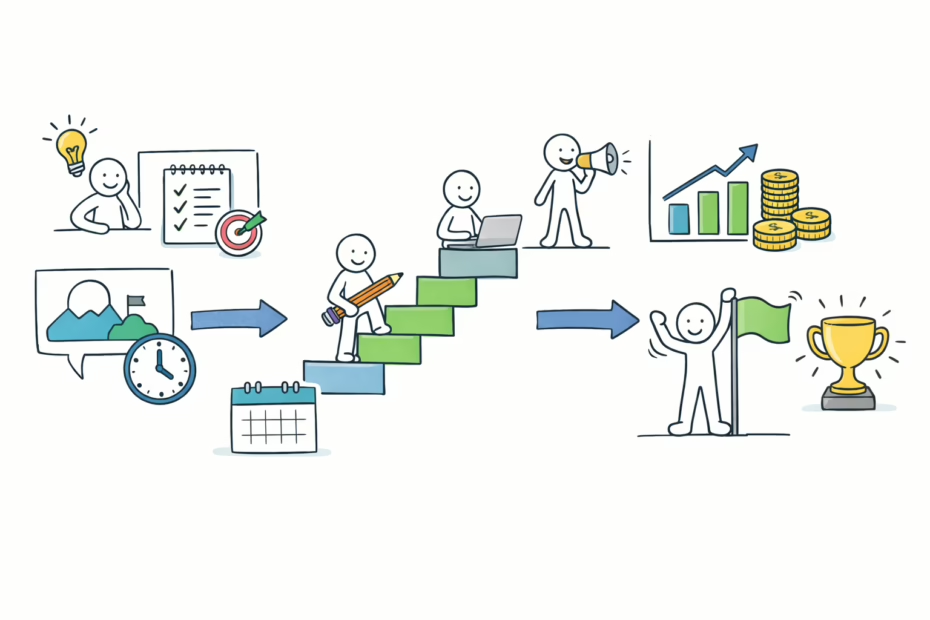
Storytelling marketing needs structure to work. Your brand story follows a proven framework. This marketing narrative formula works for any service business.
The hero’s journey is the oldest storytelling framework. Your client is the hero, not your business. You play the guide who helps them win.
Step 1: Identify Your Hero’s Starting Point
Your brand storytelling starts with your client’s current struggle. Show their pain clearly. Your marketing narrative must make them feel understood immediately.
A fitness coach’s hero is the busy parent who feels exhausted. A bookkeeper’s hero is the business owner drowning in receipts. Name the specific pain your service solves.
Your brand story becomes powerful when prospects think: “That’s exactly how I feel.” The more specific your marketing narrative, the stronger the emotional connection.
Step 2: Introduce the Conflict or Challenge
Every brand story needs tension. Your marketing narrative shows what happens if the hero doesn’t solve their problem. Paint the consequences clearly but don’t use fear manipulation.
The busy parent misses their kid’s soccer games because they’re too tired. The business owner faces an IRS audit because records are messy. Your storytelling marketing shows stakes.
This conflict stage proves you understand the deeper pain. Your brand storytelling goes beyond surface symptoms to root causes. That depth creates trust.
Step 3: Position Your Service as the Solution
Now your business enters the brand story as the guide. You’ve been where the hero is. Your marketing narrative shows how you help them cross from struggle to success.
Don’t make your service the star. Your storytelling marketing keeps the client as hero. You provide the map, tools, and support they need to win.
Your brand storytelling should feel like mentorship, not selling. The marketing narrative shows your service working through past client examples. Story selling proves the path works.
Step 4: Show the Transformation
The best brand stories show specific before-and-after change. Your marketing narrative needs concrete details about the transformation. Numbers, emotions, and specific outcomes matter.
The busy parent now has energy to coach their kid’s team. The business owner sleeps well knowing finances are organized. Your storytelling marketing shows life improvement, not just service delivery.
Transformation stories work because they activate aspiration. Prospects want what your hero achieved. Your brand storytelling makes that future feel possible and real.
Step 5: Include a Clear Call to Action
Every marketing narrative needs next steps. Your brand story should end with one clear action. Don’t give multiple options or prospects freeze.
After transformation, invite prospects to start their own journey. Your storytelling marketing has built trust and desire. Now make the path forward obvious and easy.
The AI success story tool helps you structure brand storytelling that converts. Input your client wins and get polished marketing narratives in minutes.
Expert Insight from Kateryna Quinn, Forbes Next 1000:
“The hero’s journey framework transformed my agency’s storytelling marketing. Clients saw themselves in our brand stories. Our close rate doubled because story selling builds instant trust.”
Storytelling Marketing Examples for Service Businesses
Real storytelling marketing examples show how brand narratives work across industries. These marketing stories prove the framework applies to any service business.
Each brand storytelling example follows the same structure but feels unique. Your marketing narrative should match your voice while following proven patterns.
Fitness Coach Brand Storytelling Example
Meet Jennifer, a fitness coach who struggled to book clients. She listed certifications and training packages. No one responded because her marketing lacked story.
Jennifer rebuilt her brand storytelling around client transformation stories. She shared Maria’s journey from exhausted mom to marathon runner. Her marketing narrative showed specific weekly wins.
Jennifer’s storytelling marketing now converts 40% of discovery calls. Brand stories replaced feature lists. Story selling shows results before prospects even book.
Marketing Agency Brand Story
David runs a local marketing agency competing against national firms. His old marketing narrative listed services: SEO, ads, social media. He sounded like everyone else.
David shifted to storytelling marketing focused on client revenue growth. His brand story features a bakery that tripled revenue in eight months. The marketing narrative shows specific tactics and monthly progress.
David’s brand storytelling differentiates him from big agencies. Prospects see he understands local business challenges. His story selling approach books three new clients monthly.
Bookkeeping Service Marketing Narrative
Lisa’s bookkeeping service targeted small business owners. Her marketing said “accurate books, on time.” That messaging didn’t create urgency or emotion.
Lisa created brand storytelling around the “sleep well again” promise. Her marketing narrative shows owners who stopped worrying about IRS letters and surprise tax bills.
Lisa’s storytelling marketing increased website conversions by 60%. Brand stories speak to the emotional outcome, not just the functional service. Story selling works because it addresses real pain.
Cleaning Service Brand Story
Tom’s cleaning service competed on price until storytelling marketing changed his approach. His new brand story focuses on time freedom for busy families.
Tom’s marketing narrative features a working mom who got six hours back each week. Those hours went to family dinners and kids’ activities. The brand storytelling sells time, not cleaning.
Tom now charges premium rates because his story selling positions value beyond clean floors. Storytelling marketing changed how prospects see his service. Brand stories command higher prices.
Consultant Brand Storytelling
Rachel consults with manufacturing companies on efficiency. Her old marketing narrative was technical and boring. Prospects didn’t understand or care about her methodology.
Rachel rebuilt her brand storytelling around client profit increases. Her marketing stories show specific manufacturing lines going from chaos to smooth operations. The narrative uses concrete numbers and visual details.
Rachel’s storytelling marketing now attracts ideal clients who value results over methods. Her brand story proves she delivers before the first meeting. Story selling pre-qualifies leads.
Common Storytelling Marketing Mistakes to Avoid
Most service businesses fail at storytelling marketing because they make the same errors. Your brand story needs to avoid these common pitfalls.
Bad marketing narratives focus on the business instead of the client. Your storytelling marketing must keep customers as heroes. That shift is hard but essential.
Mistake 1: Making Your Business the Hero
The biggest brand storytelling error is centering your company. Your marketing narrative should focus on client transformation, not your credentials or history.
Don’t start your brand story with “We were founded in 2015.” Nobody cares about your origin until they care about their problem. Your storytelling marketing must lead with customer pain.
Reframe every brand story to put clients first. Instead of “We help businesses grow,” try “You’re working 70-hour weeks and revenue is flat.” That marketing narrative creates instant connection.
Mistake 2: Using Vague or Generic Stories
Weak brand storytelling lacks specific details. Marketing narratives that say “we helped a client increase revenue” don’t create emotional impact. Story selling needs concrete specifics.
Your storytelling marketing should name the exact starting point, specific actions taken, and measurable outcomes. Generic brand stories get ignored because they could apply to anyone.
Compare these marketing narratives: “We helped a salon owner” vs “We helped Jessica’s salon go from 12 clients weekly to 47 in four months.” Specific brand storytelling always wins.
Mistake 3: Skipping the Struggle Phase
Many service businesses rush to the solution in their brand story. Your marketing narrative needs to show the depth of struggle before introducing your service.
If your storytelling marketing doesn’t make prospects feel understood, they won’t trust the solution. Brand stories that skip straight to results feel like sales pitches.
Spend equal time on struggle and transformation in your marketing narrative. The more vividly you paint the problem, the more powerful your brand storytelling becomes.
Mistake 4: Telling Stories Without Data
Emotional brand storytelling needs data support. Your marketing narrative should include specific numbers, timelines, and measurable outcomes. Story selling without proof creates skepticism.
Don’t say “significant improvement” when you can say “42% revenue increase in three months.” Your storytelling marketing becomes credible through specificity.
The best brand stories blend emotion and logic. Your marketing narrative should make prospects feel and think. Numbers make the emotional story believable.
Mistake 5: Creating Too Many Different Stories
Inconsistent brand storytelling confuses prospects. Your marketing narrative should be consistent across all platforms. Story selling works through repetition and reinforcement.
Pick your core brand story and tell it everywhere. Your storytelling marketing gains power through consistency. Different versions of your marketing narrative weaken the message.
The brand messaging guide shows how to keep your storytelling marketing consistent. Your brand story should evolve slowly, not change completely every quarter.
Expert Insight from Kateryna Quinn, Forbes Next 1000:
“Most service businesses tell boring stories because they make it about themselves. Your brand storytelling must focus on customer transformation. That one shift changed my entire marketing narrative and tripled my agency revenue.”
How AI Tools Support Your Brand Storytelling
Creating powerful storytelling marketing takes time most service owners don’t have. AI tools now help you build brand stories faster without losing quality or authenticity.
Your marketing narrative still needs your unique voice and client insights. AI storytelling tools handle structure, formatting, and polish. You provide the raw material.
The Role of AI in Brand Storytelling
AI success story tools analyze your client wins and generate structured marketing narratives. These tools follow proven storytelling marketing frameworks so your brand stories convert.
You input basic client details, results, and transformation timeline. The AI builds a complete brand story with proper narrative arc, emotional hooks, and clear outcomes.
The AI success story writer creates marketing narratives in under five minutes. Your storytelling marketing becomes scalable without hiring copywriters.
When to Use AI for Storytelling Marketing
AI tools work best for first drafts of brand stories. Use them when you need multiple marketing narratives quickly or struggle with writing structure.
Your storytelling marketing still needs human review and editing. AI handles the framework, but you add voice, tone, and authentic details that make brand stories feel real.
Service businesses with multiple client types benefit most. Create different marketing narratives for each audience segment. AI story selling tools make this scalable.
Combining AI Tools with Human Creativity
The best brand storytelling blends AI efficiency with human insight. Your marketing narrative should start with AI structure, then add your unique voice and deeper customer knowledge.
AI can’t capture the subtle emotional nuances you know about your clients. Your storytelling marketing becomes powerful when you layer personal observations onto AI-generated frameworks.
Edit AI outputs to match your brand voice exactly. The storytelling marketing should sound like you wrote it, not a robot. Story selling works when authenticity shines through.
Using AI to Scale Your Marketing Narrative
Most service businesses have dozens of client success stories they never share. AI storytelling tools let you document brand stories at scale without overwhelming your schedule.
Create a brand storytelling library over time. Your marketing narrative expands to cover different industries, challenges, and transformation types. Story selling becomes your primary strategy.
The AI case study generator turns raw client data into polished storytelling marketing. Your brand stories multiply while you focus on service delivery.
Measuring the Impact of Your Brand Storytelling
Track which marketing narratives drive the most engagement, shares, and conversions. Your storytelling marketing should improve based on data, not guesses.
Test different brand story formats. Try video testimonials, written case studies, and social media story threads. Each storytelling marketing channel performs differently for different audiences.
Your story selling should get more effective over time. Measure lead quality, close rates, and client lifetime value by marketing narrative type. Double down on brand storytelling that converts best.
How to Implement Storytelling Marketing in Your Business
Starting with storytelling marketing feels overwhelming. Your brand story needs a clear implementation plan. Follow these steps to build marketing narratives that drive revenue.
The best storytelling marketing starts small and scales. Your brand storytelling improves through practice and client feedback. Don’t wait for perfect stories.
Step 1: Audit Your Current Client Success Stories
Review your client list and identify transformation stories worth sharing. Your storytelling marketing needs real results to build on. Look for clients with measurable outcomes.
Interview past clients about their journey. Ask about their struggle before working with you, what changed during service delivery, and life improvement after. These details fuel brand storytelling.
Your marketing narrative library starts with just three strong stories. Pick your most impressive client wins. Document their transformation thoroughly before writing brand stories.
Step 2: Create a Brand Storytelling Template
Build a reusable framework for all your marketing narratives. Your storytelling marketing template should include sections for hero introduction, conflict, your role, transformation, and results.
Consistent structure makes brand stories easier to create and more effective. Your template ensures every marketing narrative follows proven patterns while maintaining your unique voice.
The story selling template should work across formats: website, social media, emails, and proposals. Your storytelling marketing becomes plug-and-play once the template is solid.
Step 3: Distribute Stories Across All Marketing Channels
Your brand storytelling should appear everywhere prospects encounter you. Post marketing narratives on your website, social media, email campaigns, and sales presentations.
Don’t hide client success stories on a testimonial page nobody visits. Your storytelling marketing must be front and center. Story selling works only if stories get seen.
Repurpose each brand story into multiple formats. Turn one marketing narrative into a blog post, social media thread, email series, and video. Your storytelling marketing multiplies through format variety.
Step 4: Train Your Team on Brand Storytelling
Everyone on your team should know your core marketing narratives. Sales calls, customer service, and delivery all benefit from consistent storytelling marketing.
Your brand story becomes powerful when the entire team reinforces the same narrative. Story selling happens in every client interaction, not just marketing materials.
Create a brand storytelling playbook. Document your marketing narratives, ideal story structure, and examples. Your team needs reference material to stay consistent.
Step 5: Gather New Stories Systematically
Build client success documentation into your service delivery process. Your storytelling marketing library should grow automatically as you serve clients.
Schedule post-project interviews with every client. Ask permission to share their brand story. Most happy clients eagerly agree because it validates their success.
Your marketing narrative collection becomes a competitive asset. The more brand stories you have, the more proof you provide. Story selling scales with your story library.
Step-by-Step Process: Creating Your First Brand Story
Follow this exact process to create storytelling marketing that converts. Your first brand story takes the longest. Future marketing narratives get faster.
- Choose one client who achieved impressive, measurable results. Your storytelling marketing needs proof.
- Interview the client about their struggle before hiring you. Record specific details and emotions.
- Document what changed during your service delivery. Note key turning points in the brand story.
- Measure final outcomes with concrete numbers. Your marketing narrative needs data credibility.
- Write the hero introduction showing their starting point struggle. Keep brand storytelling client-focused.
- Describe the conflict or challenge that brought them to you. Your story selling needs tension.
- Show how your service provided the solution. Position yourself as guide in the marketing narrative.
- Detail the transformation process with specific steps and timeline. Brand storytelling needs structure.
- Share final results with numbers, quotes, and emotional impact. Your storytelling marketing proves value.
- End with clear next steps for prospects. Every brand story needs a call to action.
Quick Reference: What Is Storytelling Marketing
Storytelling marketing is a strategy that uses narrative structure to connect brands with customers emotionally. Instead of listing features or services, storytelling marketing shows client transformation through hero journey frameworks. Brand storytelling makes abstract services concrete by showing real people achieving real results. Your marketing narrative builds trust by demonstrating you understand customer problems deeply. Story selling converts better than traditional marketing because human brains process and remember narratives 22 times better than facts alone. Effective brand storytelling positions the customer as hero and your business as guide, following proven narrative patterns that create emotional connection and drive buying decisions.
Frequently Asked Questions
What is storytelling marketing?
Storytelling marketing uses narrative to connect your brand with customers. Your brand story shows transformation, not just services. Marketing narratives build trust through emotional connection. Story selling converts better than fact-based marketing. Brand storytelling makes your business memorable.
How do I start with brand storytelling?
Start brand storytelling by documenting one client success story. Interview the client about their journey. Your marketing narrative should follow hero journey structure. Use the AI success story tool to format brand stories. Story selling begins with your best transformation example.
Why does storytelling marketing work better than ads?
Storytelling marketing works because brains remember stories better than facts. Brand narratives create emotional connection ads can’t. Your marketing story builds trust before asking for sales. Story selling feels helpful, not pushy. Brand storytelling differentiates you in crowded markets.
When should I use brand stories in marketing?
Use brand storytelling everywhere prospects encounter you. Your marketing narrative should appear on websites, social media, and emails. Story selling works in sales calls and proposals. Brand stories prove results before prospects buy. Storytelling marketing builds trust at every touchpoint.
Can small service businesses use storytelling marketing?
Small service businesses benefit most from brand storytelling. Your marketing narrative differentiates you from bigger competitors. Story selling builds personal connection bigger brands can’t match. Brand stories prove your service works through real examples. Storytelling marketing levels the playing field.
Start Building Your Brand Story Today
Storytelling marketing transforms how service businesses attract and convert clients. Your brand narrative builds trust faster than any credential or discount ever could.
Don’t wait for perfect stories. Start with one client transformation. Your storytelling marketing improves through practice and client feedback.
The businesses winning in 2026 lead with story selling, not service lists. Your marketing narrative must show transformation, not features. Brand storytelling is the competitive advantage.
Ready to create brand stories that convert? The AI success story writer helps you build marketing narratives in minutes. Your storytelling marketing starts today.
“`

Kateryna Quinn is the founder and CEO of Uplify AI, an AI-powered business strategist that helps service-based, brick-and-mortar small business owners increase profitability and reclaim their time. She also founded ASTASH, an award-winning full-service digital marketing agency specializing in SEO, Google Ads, branding, logo design, and website development, based in Northern Colorado. A Ukrainian immigrant who came to the United States at 17, Quinn has generated more than $25 million in organic revenue for her agency clients. She is a Forbes NEXT 1000 honoree and was named to NOCO Style Magazine’s 30 Under 30.