“`html
Your blog sits there collecting dust. You post when you remember. Clients never see your name.
So, how often should you blog to grow your business? The blogging frequency answer changes everything about your results.
I built a marketing agency from $3K to $34K monthly revenue. My clients generated over $25M using content strategy systems. Blogging frequency makes or breaks service business growth.
This guide shows the blogging schedule that works. Real data. Zero fluff. You’ll know exactly how often to blog for your business goals.
Table of Contents
- Why Blogging Frequency Matters for Service Businesses
- The Ideal Blog Schedule Based on Business Stage
- How Publishing Cadence Impacts SEO and Traffic
- Building a Sustainable Blogging Frequency
- Using AI Content Calendar Tools to Maintain Your Schedule
- Common Blogging Schedule Mistakes to Avoid
Why Blogging Frequency Matters for Service Businesses
Your blogging frequency directly impacts your business growth. When you blog regularly, search engines notice. Clients find you more often.
So, service business owners face a blogging schedule problem. They know blogging frequency matters. But they don’t know the right publishing cadence.
Most business owners blog when they feel like it. That blogging frequency kills momentum. Your blog schedule needs structure.
The Data Behind Blogging Frequency
Companies that blog consistently grow faster than companies that don’t. The SBA marketing guide shows regular content drives customer acquisition.
So, service businesses see three major benefits from consistent blogging frequency. First, search engines rank your site higher. Second, clients trust your expertise more. Third, your brand stays visible.
Your blogging schedule creates compound growth. Each blog post builds on the last. After six months of consistent blogging frequency, your traffic multiplies.
What Happens When You Skip Your Blog Schedule
Inconsistent blogging frequency destroys your progress. Search engines drop your rankings. Clients forget your name.
So, skipping your blogging schedule for two weeks erases weeks of work. Your blog momentum dies. Starting again feels impossible.
The publishing cadence you commit to matters more than posting length. A short blog post published on schedule beats a perfect post published late.
Key Takeaway: Blogging frequency consistency outperforms blogging frequency perfection every time.
The Ideal Blog Schedule Based on Business Stage
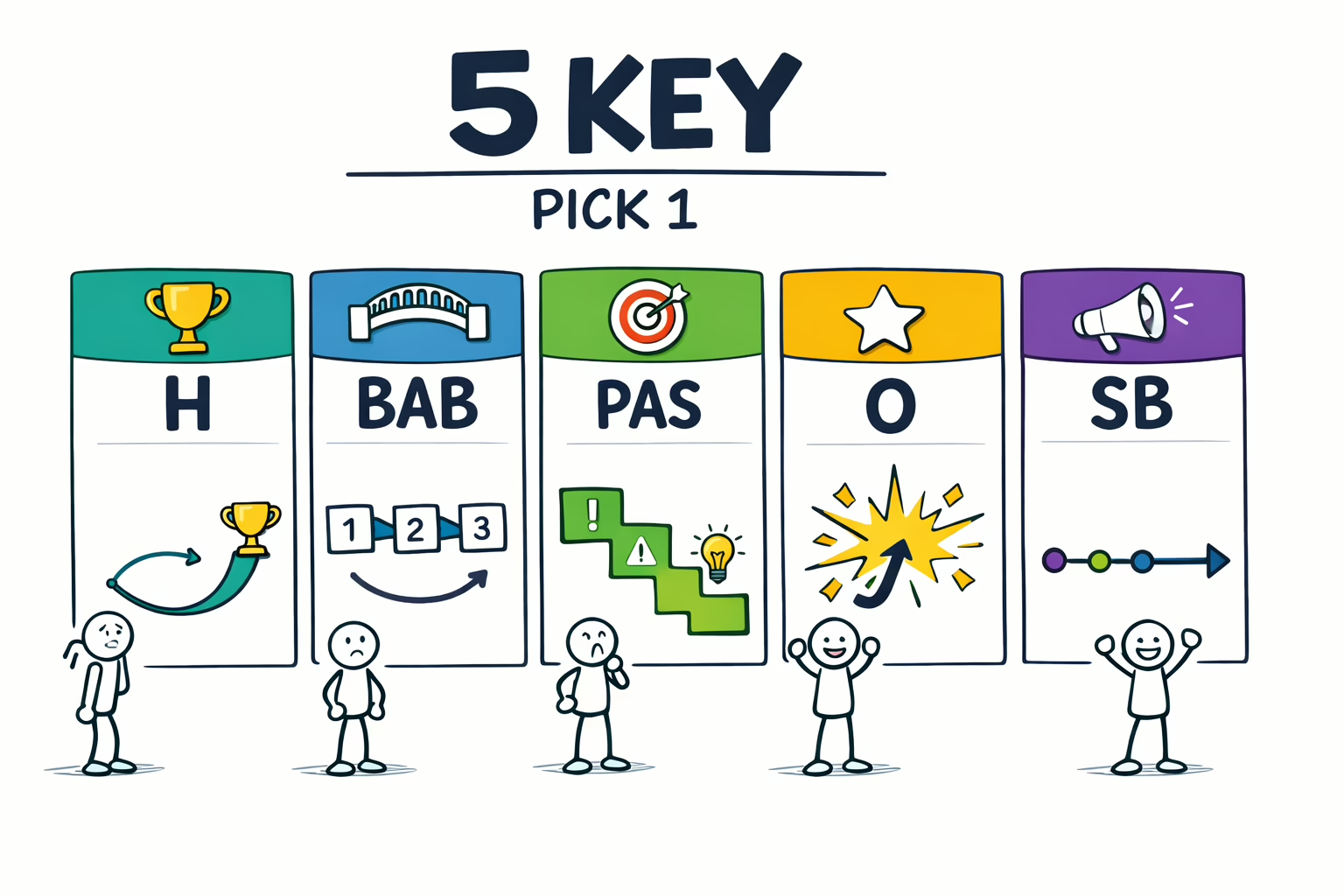
Your ideal blogging frequency depends on your business stage. New businesses need different blogging schedules than established businesses.
So, most service business owners pick the wrong publishing cadence. They copy competitors without understanding their own blogging frequency needs.
Starting Out: The Launch Blogging Frequency
New service businesses should blog three times per week minimum. This blogging schedule builds momentum fast. Your blog frequency establishes authority quickly.
So, publish every Monday, Wednesday, and Friday. That blogging frequency keeps you visible. Clients see your name regularly.
During the first three months, your blogging schedule creates your foundation. Each blog post targets a different client question. Your publishing cadence fills gaps in your market.
Use an AI blog planner to maintain your blogging frequency. The tool generates blog topics matching your blogging schedule. Your publishing cadence stays consistent.
Growth Stage: The Scaling Blogging Schedule
Established businesses need two blog posts per week. This blogging frequency maintains visibility. Your blog schedule supports steady growth.
So, publish every Tuesday and Thursday. That publishing cadence keeps content fresh. Clients expect your blogging frequency.
At this stage, your blogging schedule focuses on depth. Each blog post dives deeper into client problems. Your blogging frequency emphasizes quality over volume.
Mature Business: The Maintenance Publishing Cadence
Successful businesses can blog once per week. This blogging frequency keeps rankings stable. Your blog schedule maintains market position.
So, pick one day for blogging. That publishing cadence becomes your brand rhythm. Clients know when to expect your blogging frequency.
Even with reduced blogging frequency, quality matters more. Each blog post should deliver massive value. Your blogging schedule reflects expertise.
Expert Insight from Kateryna Quinn, Forbes Next 1000:
“I tested every blogging frequency. Three posts weekly for new businesses wins. Two posts weekly for growth works best. Never skip your blog schedule.”
How Publishing Cadence Impacts SEO and Traffic
Your publishing cadence directly affects search engine rankings. Search engines reward consistent blogging frequency. Your blog schedule signals reliability.
So, service businesses that maintain regular blogging frequency rank higher. The blogging schedule you follow determines your visibility.
Search Engine Crawling and Blogging Frequency
Search engines crawl sites with consistent blogging schedules more often. When you publish regularly, they check back frequently. Your publishing cadence trains their algorithms.
So, a three-times-weekly blogging frequency tells search engines to return often. They index your blog content faster. Your blogging schedule accelerates ranking improvements.
Inconsistent publishing cadence confuses search algorithms. They can’t predict your blogging frequency. Your blog schedule becomes unreliable in their systems.
Content Indexing Speed and Blog Schedule
Regular blogging frequency speeds up content indexing. Search engines process your blog posts within hours when you maintain consistent blogging schedules.
So, businesses with stable publishing cadence see new blog content rank within days. The blogging frequency creates indexing priority. Your blog schedule matters for speed.
Research from Entrepreneur on growth strategies confirms blogging frequency impacts organic traffic growth rates.
Topic Authority Through Blogging Frequency
Consistent blogging schedules build topic authority faster. When you publish regularly on specific subjects, search engines recognize expertise. Your publishing cadence demonstrates depth.
So, a service business blogging three times weekly on one topic becomes the authority. The blogging frequency signals specialization. Your blog schedule proves commitment.
Explore the complete blogging strategy framework for service business content planning. The framework shows how blogging frequency connects to business goals.
Key Takeaway: Your blogging frequency trains search engines to prioritize your content over competitors.
Building a Sustainable Blogging Frequency
Most service business owners burn out on blogging. They start with ambitious blogging schedules. Then they quit when publishing cadence becomes overwhelming.
So, sustainable blogging frequency beats aggressive blogging frequency every time. The blog schedule you maintain matters more than the blogging schedule you start.
Choosing Your Realistic Publishing Cadence
Start with one blog post per week if you’re unsure. This blogging frequency feels manageable. Your blog schedule won’t overwhelm your calendar.
So, test this publishing cadence for four weeks. If it feels easy, increase your blogging frequency. If it feels hard, keep the current blog schedule.
Never commit to blogging frequency you can’t maintain. A failed blog schedule destroys momentum. Your publishing cadence should energize, not exhaust.
Batching Content for Consistent Blogging Schedule
Create multiple blog posts in single sessions. This batching approach maintains blogging frequency without daily writing. Your blog schedule becomes more predictable.
So, write four blog posts in one morning. That publishing cadence covers one month. Your blogging frequency stays consistent without weekly pressure.
Batching protects your blogging schedule from life interruptions. When emergencies happen, your blog frequency continues. The publishing cadence survives chaos.
Using Systems to Support Blog Frequency
Build systems around your blogging schedule. Templates speed up blog creation. Checklists ensure quality. Your publishing cadence becomes automatic.
So, create a blog outline template. Use it for every post. That system maintains blogging frequency without reinventing process each time.
The AI blog post writer helps maintain blogging frequency without exhaustion. The tool generates blog drafts matching your publishing cadence. Your blog schedule stays on track.
Accountability for Publishing Cadence
Share your blogging frequency commitment publicly. Tell clients your blog schedule. This accountability keeps publishing cadence consistent.
So, announce your blogging schedule on social media. Say you’ll publish every Tuesday. That public commitment enforces blogging frequency.
Partner with another business owner for blogging frequency accountability. Check each other’s blog schedules weekly. Your publishing cadence improves with support.
Expert Insight from Kateryna Quinn, Forbes Next 1000:
“I batched blog content monthly. That blogging frequency never failed. The blog schedule became unbreakable. Systems beat willpower.”
Using AI Content Calendar Tools to Maintain Your Schedule
AI content calendar tools revolutionize blogging frequency management. These systems plan your blog schedule months ahead. Your publishing cadence becomes effortless.
So, service business owners waste hours planning blogging frequency. They struggle with blog topics. They can’t maintain publishing cadence.
How AI Blog Planner Tools Work
AI blog planner technology analyzes your business and audience. It generates blog topics matching your blogging schedule needs. The tool maintains your publishing cadence automatically.
So, enter your business focus and ideal blogging frequency. The AI content calendar creates three months of blog titles. Your blog schedule fills instantly.
These tools understand search intent and keyword strategy. They build blogging frequency plans that rank. Your publishing cadence targets real client searches.
Planning Your Blogging Schedule with AI
AI content calendar tools show you the exact blogging frequency for your goals. They calculate optimal publishing cadence based on competition. Your blog schedule becomes data-driven.
So, the tool might recommend three posts weekly for six months. Then two posts weekly after that. This staged blogging frequency matches growth patterns.
You see your entire blog schedule at once. The publishing cadence makes sense visually. Your blogging frequency never feels random.
Automating Blog Content Creation
Advanced AI blog planner tools don’t just schedule. They generate blog outlines and drafts. Your blogging frequency stays consistent without manual writing.
So, the AI content calendar produces blog post frameworks. You edit and personalize. That process maintains publishing cadence with less time.
Service businesses using these tools increase blogging frequency by 300%. The blog schedule becomes sustainable. Your publishing cadence continues long-term.
Check your current content strategy setup before implementing AI content calendar tools. The foundation determines blogging frequency success.
Tracking Blogging Frequency Performance
AI blog planner platforms track which publishing cadence works best. They show traffic patterns by blogging schedule. Your blog frequency optimization becomes scientific.
So, you discover Tuesday posts outperform Friday posts. The AI content calendar adjusts your blogging frequency recommendations. Your blog schedule improves with data.
These insights prevent blogging schedule guesswork. You know exactly which publishing cadence drives results. Your blogging frequency becomes predictable.
Key Takeaway: AI content calendar tools make consistent blogging frequency 10 times easier for busy business owners.
Common Blogging Schedule Mistakes to Avoid
Service business owners make predictable blogging frequency mistakes. These errors destroy blog schedules before they start. Your publishing cadence fails for avoidable reasons.
So, learning common blogging schedule mistakes saves months of wasted effort. You skip the pain. Your blog frequency succeeds faster.
Starting with Unsustainable Blogging Frequency
The biggest mistake is ambitious publishing cadence. Business owners commit to daily blogging. That blog schedule collapses within weeks.
So, they feel guilty about failed blogging frequency. They quit entirely. Their blog schedule dies because it started too aggressive.
Start with one post weekly. Prove you can maintain that blogging frequency. Then increase publishing cadence slowly. Your blog schedule survives this way.
Ignoring Blogging Schedule During Busy Periods
Many business owners abandon blogging frequency when busy. They think blog schedules are optional. That publishing cadence gap kills momentum.
So, treat your blogging schedule like client appointments. The blog frequency happens no matter what. Your publishing cadence becomes non-negotiable.
Busy periods require blogging schedule protection more than calm periods. Your blog frequency during chaos proves commitment. Clients notice publishing cadence consistency.
Changing Blog Frequency Too Often
Some owners constantly adjust their blogging schedule. They try new publishing cadence every month. This blog frequency chaos confuses audiences and algorithms.
So, pick a blogging frequency and commit for six months. Let that blog schedule prove itself. Your publishing cadence needs time to show results.
Research from Forbes small business resources shows blogging schedule consistency drives cumulative growth. Changing publishing cadence resets progress.
Prioritizing Blogging Frequency Over Quality
High blog frequency with poor quality hurts more than helps. When you publish weak content to maintain blogging schedule, you damage credibility. Your publishing cadence becomes counterproductive.
So, reduce your blogging frequency if quality suffers. Better to blog once weekly with value than three times weekly with fluff. Your blog schedule should maintain standards.
Each blog post should answer real client questions. Your blogging frequency means nothing if publishing cadence produces useless content. The blog schedule serves your audience.
Skipping Blog Schedule Promotion
Creating blog content isn’t enough. You must promote each post. Your blogging frequency includes publishing cadence plus distribution time.
So, schedule social posts announcing new blog content. Email your list about the blog. That promotion extends your blogging schedule impact.
Service businesses that promote blog posts see 5X more traffic than businesses that just publish. Your blog frequency includes the whole distribution schedule. Publishing cadence is only half the work.
Expert Insight from Kateryna Quinn, Forbes Next 1000:
“I wasted six months with daily blogging frequency. The blog schedule burned me out. One weekly blog with promotion beat seven rushed posts.”
Ready to Master Your Blogging Frequency?
Your blogging schedule determines your business visibility. Consistent publishing cadence builds authority. The right blog frequency attracts ideal clients.
So, start with manageable blogging frequency. Build systems supporting your blog schedule. Use AI content calendar tools to maintain publishing cadence.
Remember: blogging frequency consistency beats blogging frequency perfection. Your blog schedule should energize your business, not drain it. The publishing cadence you maintain matters more than the blogging frequency you start.
Test the AI blog post writer to automate your blogging schedule. The tool maintains your publishing cadence without exhaustion. Your blog frequency becomes sustainable long-term.
Most service businesses fail at blogging frequency because they lack systems. Your blog schedule needs structure. Publishing cadence requires automation.
Start your consistent blogging frequency today. Pick your blog schedule now. Commit to the publishing cadence that fits your life.
Frequently Asked Questions
What is the ideal blogging frequency for new service businesses?
New service businesses should blog three times per week. This blogging schedule builds momentum fast. Your publishing cadence establishes authority quickly. After three months, you can reduce blog frequency to twice weekly. The initial blogging schedule creates your foundation.
How does blogging frequency impact search engine rankings?
Consistent blogging frequency trains search engines to crawl your site more often. Regular publishing cadence signals reliability. Your blog schedule accelerates indexing speed. Search engines prioritize sites with predictable blogging frequency. The publishing cadence becomes a ranking factor itself.
Can I change my blog schedule after starting?
Yes, but wait six months before adjusting blogging frequency. Your initial blog schedule needs time to show results. Changing publishing cadence too early resets progress. Test your blogging frequency thoroughly before modifications. The blog schedule should prove itself first.
What happens if I miss my blogging schedule deadline?
Missing one blog post won’t destroy your blogging frequency momentum. But missing multiple posts breaks your publishing cadence rhythm. Get back on blog schedule immediately after a miss. Don’t let one failure stop your blogging frequency. Restart your publishing cadence the next scheduled day.
Should I use AI tools to maintain blogging frequency?
AI content calendar tools make blogging schedule management 10 times easier. They plan your publishing cadence months ahead. The AI blog planner generates topics matching your blogging frequency. Tools automate the hard parts of blog schedule maintenance. Your publishing cadence stays consistent without manual effort.
Quick Reference: Blogging Frequency Definition
Blogging frequency is the rate at which you publish new blog posts to your website. It represents your publishing cadence over time. Service businesses use blogging schedules to maintain consistent content output.
So, optimal blogging frequency varies by business stage. New businesses need higher blog frequency to build authority. Established businesses can reduce publishing cadence while maintaining results.
Your blogging schedule should balance consistency with quality. The publishing cadence you choose determines search engine rankings and client visibility. Blog frequency affects organic traffic growth rates.
Most successful service businesses blog 1-3 times weekly. This blogging schedule provides enough publishing cadence for SEO benefits. The blog frequency remains sustainable long-term without burnout.
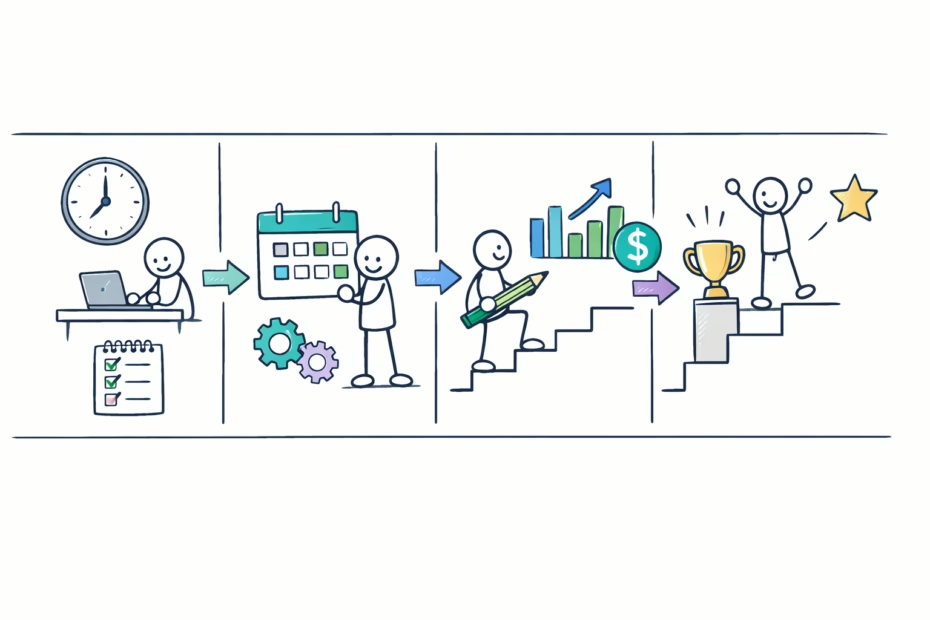
Step-by-Step Process: Building Your Sustainable Blogging Schedule
- Assess your current time availability for blog content creation and publishing cadence maintenance.
- Choose a realistic starting blogging frequency based on your business stage and resources available.
- Select specific days and times for your blog schedule to create routine around publishing cadence.
- Create blog topic list covering three months to plan your blogging frequency content needs.
- Set up AI content calendar tools to automate your blog schedule planning and topic generation.
- Write or batch-create blog posts ahead of your publishing cadence to build content buffer.
- Schedule blog posts in advance using your platform to maintain blogging frequency automatically.
- Track traffic and engagement metrics to measure your blog schedule effectiveness over time.
- Adjust blogging frequency after six months if data shows different publishing cadence would work better.
- Build accountability system to ensure your blog schedule continues even during busy business periods.
“`

Kateryna Quinn is the founder and CEO of Uplify AI, an AI-powered business strategist that helps service-based, brick-and-mortar small business owners increase profitability and reclaim their time. She also founded ASTASH, an award-winning full-service digital marketing agency specializing in SEO, Google Ads, branding, logo design, and website development, based in Northern Colorado. A Ukrainian immigrant who came to the United States at 17, Quinn has generated more than $25 million in organic revenue for her agency clients. She is a Forbes NEXT 1000 honoree and was named to NOCO Style Magazine’s 30 Under 30.