You prep for a sales call. You practice your pitch. But when it’s time to close, prospects still hesitate.
Case studies in sales calls change that. They show real proof. They build trust fast. And they turn skeptical prospects into paying clients.
I built my agency to $25M in client revenue using case studies in every sales call. Now I’ll show you exactly how to use case studies in sales calls to win more business.
Table of Contents
- Why Case Studies Work in Sales Calls
- Prepare Your Case Studies Before the Call
- How to Present Case Studies During Sales Calls
- Use Case Studies to Handle Objections
- Send Case Studies After Sales Calls
- Common Case Study Mistakes in Sales Calls
- Frequently Asked Questions
- Step-by-Step Process for Using Case Studies
- Quick Reference Definition
Why Case Studies Work in Sales Calls
Case studies in sales calls provide proof. Prospects stop wondering if your service works. They see real results from real clients.
Most sales calls fail because prospects don’t trust claims. You say you deliver results. But they’ve heard that before. Case studies show the truth.
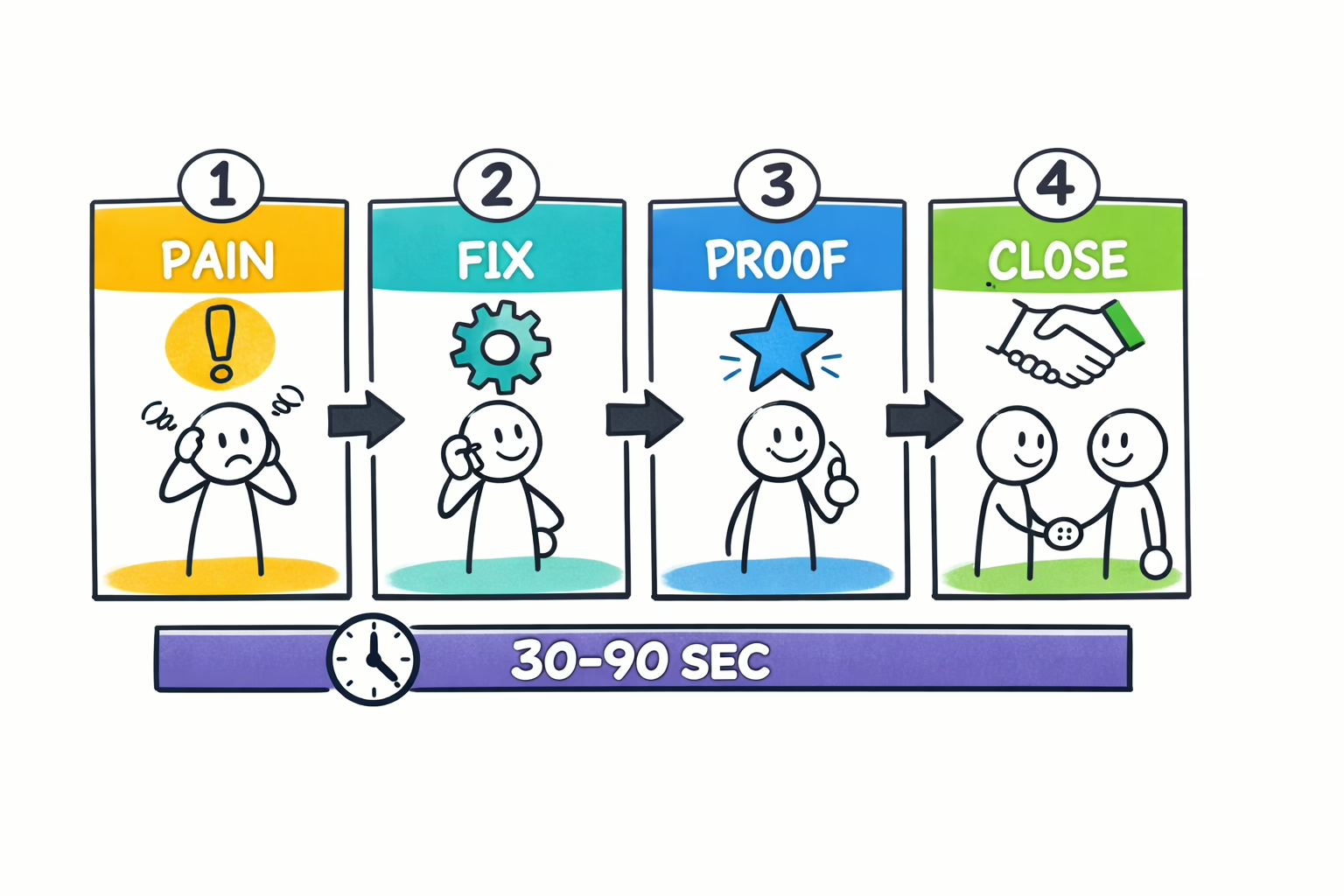
Every case study answers three questions. First, what problem did the client face? Second, how did you solve it? Third, what results did they get?
The Psychology Behind Case Studies in Sales
People buy from businesses they trust. Trust comes from proof. Case studies deliver that proof during sales calls.
Your prospect sees themselves in your case study. They face similar problems. They want similar results. So they believe your sales pitch.
This is why case studies drive B2B sales better than generic marketing. Real stories beat vague promises every time.
When to Use Case Studies in Sales Calls
Use case studies early in sales calls. Introduce them right after you present your offer. This builds credibility before objections start.
Also, use case studies to handle specific objections. When a prospect says “I’m not sure this works for my industry,” share a case study from that industry.
Finally, use case studies in your follow-up. Send a relevant case study after every sales call. This keeps your offer top of mind.
Expert Insight from Kateryna Quinn, Forbes Next 1000:
“I closed 70% of my sales calls using case studies. Real proof beats perfect pitches. Show results and prospects buy.”
Prepare Your Case Studies Before the Call
Preparation wins sales calls. You need the right case studies ready before the call starts. This means knowing your prospect and matching case studies to their needs.
Research Your Prospect First
Before every sales call, research your prospect. Learn their industry. Understand their business model. Then select case studies that match their situation.
For example, if you’re calling a fitness studio, prepare case studies from other fitness businesses. If you’re calling a law firm, show legal case studies.
This targeted approach makes case studies in sales calls more powerful. Prospects see proof from businesses like theirs. So they trust your sales process.
Choose the Right Case Study Format
Case studies come in different formats. Some are written documents. Others are short videos. Some are simple slides.
For sales calls, use short case study summaries. Keep them to one page. Include the client name, problem, solution, and results. That’s it.
You can create these case studies quickly with the AI case study generator from Uplify. It builds professional case studies in minutes.
Organize Case Studies by Industry and Problem
Build a case study library. Organize it by industry first. Then by problem type. This lets you pull the right case study during any sales call.
For instance, create folders for “fitness studios,” “law firms,” and “marketing agencies.” Inside each folder, add case studies for common problems like “low client retention” or “expensive client acquisition.”
During sales calls, you can reference specific case studies instantly. No fumbling. No delays. Just smooth sales proof.
Key Takeaway: Prepare case studies before sales calls. Match them to your prospect’s industry and problem.
How to Present Case Studies During Sales Calls
Presenting case studies in sales calls requires timing. Share them too early and you lose context. Share them too late and you lose momentum.
Introduce Case Studies After Your Pitch
Present your offer first. Explain what you do. Then say, “Let me show you how this worked for another client.”
This transitions naturally into your case study. The prospect already understands your service. Now they see proof it works.
Keep the case study presentation short. Spend two to three minutes max. Cover the problem, solution, and results. Then return to the sales conversation.
Tell the Case Study as a Story
Don’t just read facts. Tell a story. Start with the client’s problem. Make it relatable. Then explain how you solved it.
For example: “We worked with a yoga studio facing 40% client churn. They tried discounts and promotions but nothing worked. We built a retention system using automated check-ins and rewards. Within three months, churn dropped to 12%.”
Stories stick in memory. Facts don’t. So turn every case study into a sales story during calls.
Highlight Specific Numbers and Results
Numbers make case studies credible. Always include metrics. Revenue growth. Time saved. Client retention. Cost reduction.
For instance, say “We increased their monthly revenue by $15,000” instead of “We increased their revenue.” Specific numbers build trust during sales calls.
If you don’t have exact numbers, use percentages. “We reduced their ad spend by 30%” is better than “We reduced their ad spend.”
This approach aligns with best practices for creating case studies that actually convert prospects into clients.
Connect the Case Study to the Prospect’s Situation
After sharing the case study, tie it back to the prospect. Say something like, “I noticed you mentioned struggling with client retention. This client faced the same issue.”
This personalizes the case study. The prospect sees themselves in the story. They believe you can solve their problem too.
Always end with a question: “Does this sound like what you’re experiencing?” This keeps the sales call interactive and builds engagement.
Key Takeaway: Share case studies as stories. Include specific numbers. Connect them to the prospect’s problem.
Use Case Studies to Handle Objections
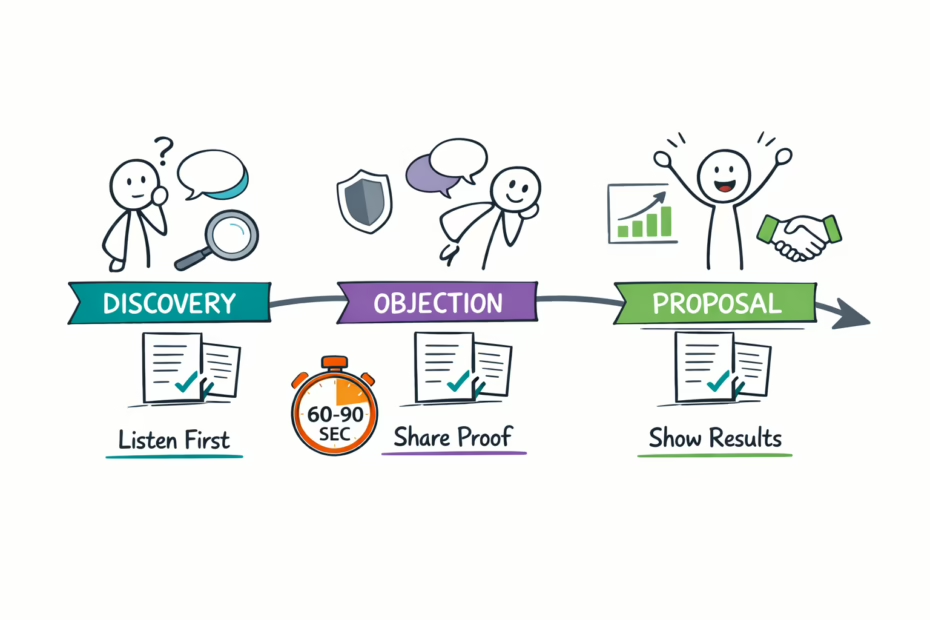
Objections kill sales calls. But case studies overcome objections fast. Every objection is a chance to share proof.
Common Sales Call Objections
Prospects raise predictable objections during sales calls. “Your price is too high.” “I’m not sure this works for my industry.” “I need to think about it.”
Case studies in sales calls answer these objections with proof. Instead of arguing, you show results from clients who had the same concern.
For example, when a prospect says “Your price is too high,” share a case study showing ROI. “Our client invested $5,000 and made back $30,000 in three months. The ROI was 6x.”
Match Case Studies to Specific Objections
Build a case study for each common objection. If prospects often question your pricing, create a case study focused on ROI. If they doubt your expertise, share a case study from a well-known client.
During sales calls, listen for objections. Then say, “Let me share how another client felt the same way.” Present the relevant case study.
This technique turns objections into opportunities. You’re not defending your offer. You’re showing proof it works.
The “Feel, Felt, Found” Framework with Case Studies
Use the “feel, felt, found” framework during sales calls. Start by acknowledging the prospect’s concern. “I understand how you feel.”
Then reference a case study: “Another client felt the same way. They weren’t sure our service would work for their business.”
Finally, share the result: “But they found that within two months, they doubled their sales appointments. Now they’re one of our top success stories.”
This framework makes case studies feel personal. The prospect sees that others overcame the same doubt and succeeded.
Sales training experts recommend this approach because it builds trust while addressing concerns directly.
Key Takeaway: Use case studies to answer objections. Match each case study to a specific concern.
Send Case Studies After Sales Calls
Most sales don’t close on the first call. Prospects need time to decide. Case studies in your follow-up keep you top of mind.
Send a Relevant Case Study Within 24 Hours
After every sales call, send a case study via email. Choose one that matches the prospect’s main concern or industry.
Keep the email short. Say something like: “It was great talking today. I thought you’d find this case study helpful. It shows how we helped a business similar to yours.”
Attach the case study as a PDF or include a link. Make it easy to read. One page max.
Use Video Case Studies for Follow-Up
Video case studies work well after sales calls. They’re engaging and easy to consume. Prospects watch them during downtime.
Create short video case studies featuring clients. Keep them under three minutes. Focus on the problem, solution, and results.
Send the video link in your follow-up email. Say, “Here’s a quick video from a client who faced the same challenge you mentioned.”
Include a Clear Call to Action
Every follow-up email needs a call to action. After sharing the case study, tell the prospect what to do next.
For example: “If this sounds like what you’re looking for, let’s schedule a quick call to discuss next steps.” Or: “Reply to this email with any questions about how we can help your business.”
The case study builds credibility. The call to action moves the sales process forward.
You can also use the AI case study tool to create follow-up case studies quickly. It saves hours and ensures consistency across all your sales materials.
Key Takeaway: Send case studies within 24 hours after sales calls. Include a clear next step.
Common Case Study Mistakes in Sales Calls
Even great case studies fail if you present them wrong. Avoid these common mistakes during sales calls.
Sharing Too Many Case Studies
Some salespeople share three or four case studies in one call. This overwhelms prospects. They can’t remember any of them.
Instead, share one or two case studies max per sales call. Choose the most relevant ones. Quality beats quantity.
If the prospect asks for more examples, send additional case studies in follow-up emails.
Using Generic Case Studies
Generic case studies don’t work in sales calls. Prospects need to see proof from businesses like theirs.
For example, don’t share a retail case study on a call with a fitness studio owner. The industries are too different. The prospect won’t relate.
Always match case studies to the prospect’s industry and problem. This makes your sales proof more credible.
Talking Too Much About the Case Study
Case studies should support your sales pitch, not replace it. Don’t spend 10 minutes explaining one case study.
Keep case study presentations to two or three minutes. Hit the key points: problem, solution, results. Then move on.
The goal is to build credibility, not bore the prospect with details.
Forgetting to Ask for the Sale
After sharing a case study, ask for the sale. Don’t leave it hanging. Say something like, “Does this sound like the results you’re looking for?”
If the prospect says yes, move to the close. If they have questions, answer them. But always ask for the sale after presenting case studies in sales calls.
Key Takeaway: Share one to two case studies per call. Keep them short. Always ask for the sale.
Frequently Asked Questions
What are case studies in sales calls?
Case studies in sales calls are real client success stories. They show how your service solved a problem and delivered results. Sales teams use case studies to build trust and close deals faster.
How do I choose the right case study for a sales call?
Choose case studies that match your prospect’s industry and problem. Research the prospect before the call. Then select a case study from a similar business. This makes the sales proof more relevant and credible.
When should I share case studies during sales calls?
Share case studies right after presenting your offer. This builds credibility before objections start. Also, use case studies to handle specific objections during the sales conversation. Finally, send case studies in follow-up emails after the call.
How many case studies should I share in one sales call?
Share one to two case studies per sales call. Too many case studies overwhelm prospects. Focus on quality over quantity. Choose the most relevant case studies for the prospect’s situation.
Can AI tools help me create case studies for sales calls?
Yes. AI tools like the Uplify AI case study generator create professional case studies in minutes. You input client details and results. The AI writes a complete case study ready for sales calls.
Step-by-Step Process for Using Case Studies in Sales Calls
Follow this process to use case studies effectively in every sales call.
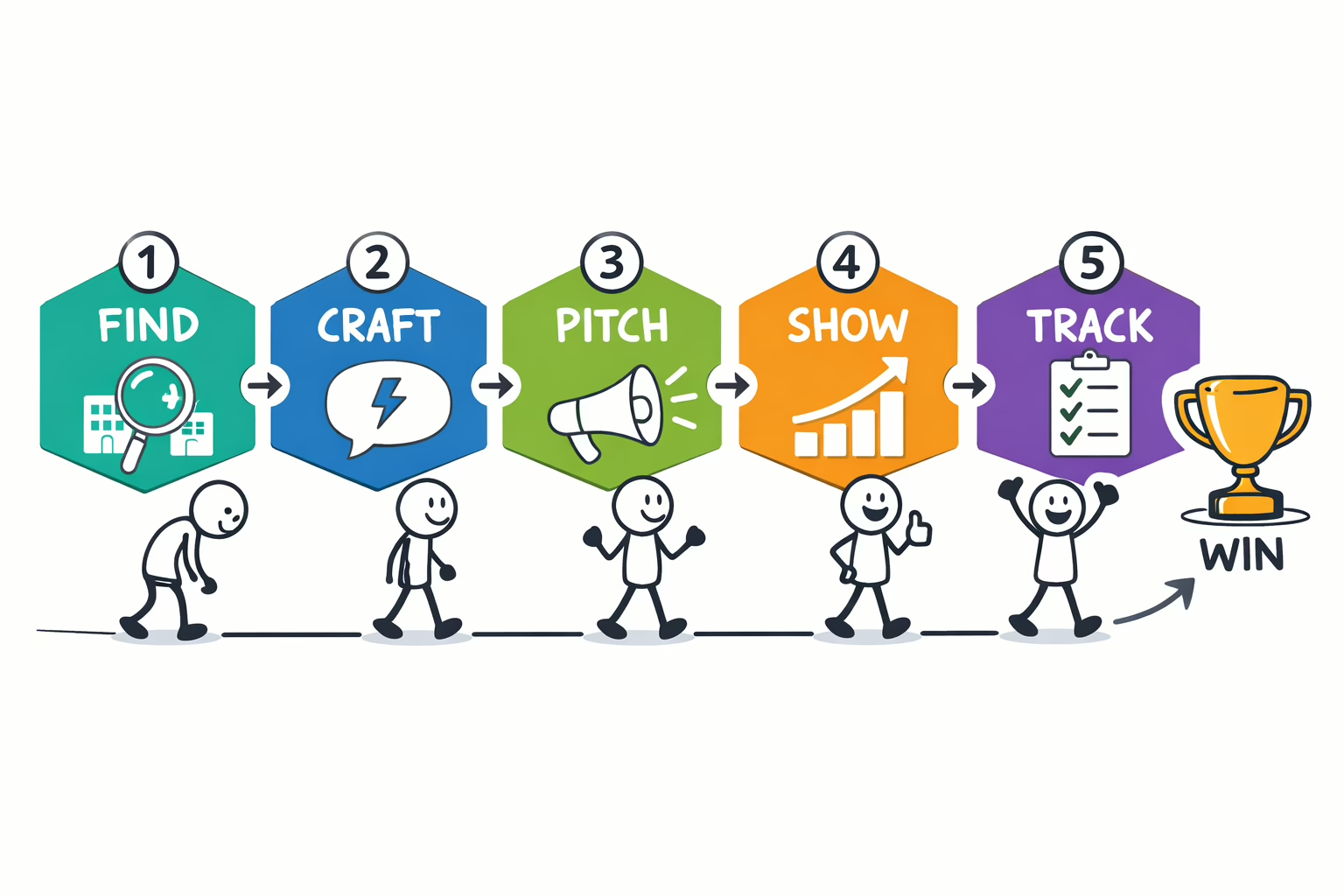
- Research your prospect before the call. Learn their industry and main problems.
- Select one to two case studies that match the prospect’s situation.
- Prepare a one-page summary of each case study. Include problem, solution, and results.
- Present your offer first during the sales call. Explain what you do and how you help.
- Introduce the case study after your pitch. Say, “Let me show you how this worked for another client.”
- Tell the case study as a story. Focus on the client’s problem and how you solved it.
- Highlight specific numbers and results. Use metrics like revenue growth or time saved.
- Connect the case study to the prospect’s situation. Ask if they face similar challenges.
- Use case studies to handle objections. Share proof from clients who had the same concern.
- Follow up within 24 hours. Send a relevant case study via email with a clear call to action.
Quick Reference Definition
Case studies in sales calls are real client success stories used to build trust and close deals. A sales case study shows the problem a client faced, the solution you provided, and the results they achieved. Sales teams present case studies during calls to prove their service works. Effective case studies include specific numbers, match the prospect’s industry, and address common objections. Service businesses use case studies to turn skeptical prospects into paying clients by showing real proof of results.
Ready to Close More Sales Calls with Case Studies?
Case studies in sales calls turn prospects into clients. They provide proof. They build trust. And they help you close deals faster.
Start by building a case study library. Organize it by industry and problem. Then match case studies to each prospect before your sales call.
During the call, present one to two case studies. Tell them as stories. Include specific results. Connect them to the prospect’s situation.
After the call, send a relevant case study in your follow-up. Include a clear next step. This keeps your offer top of mind.
Want to create professional case studies fast? Use the AI case study generator from Uplify. It builds case studies in minutes, not hours. Then you can focus on winning more sales calls.
Your prospects need proof. Case studies deliver it. Start using them in every sales call today.

Kateryna Quinn is the founder and CEO of Uplify AI, an AI-powered business strategist that helps service-based, brick-and-mortar small business owners increase profitability and reclaim their time. She also founded ASTASH, an award-winning full-service digital marketing agency specializing in SEO, Google Ads, branding, logo design, and website development, based in Northern Colorado. A Ukrainian immigrant who came to the United States at 17, Quinn has generated more than $25 million in organic revenue for her agency clients. She is a Forbes NEXT 1000 honoree and was named to NOCO Style Magazine’s 30 Under 30.