Service business owners lose clients every day. Your case study examples prove what you can do. They show real results for real clients.
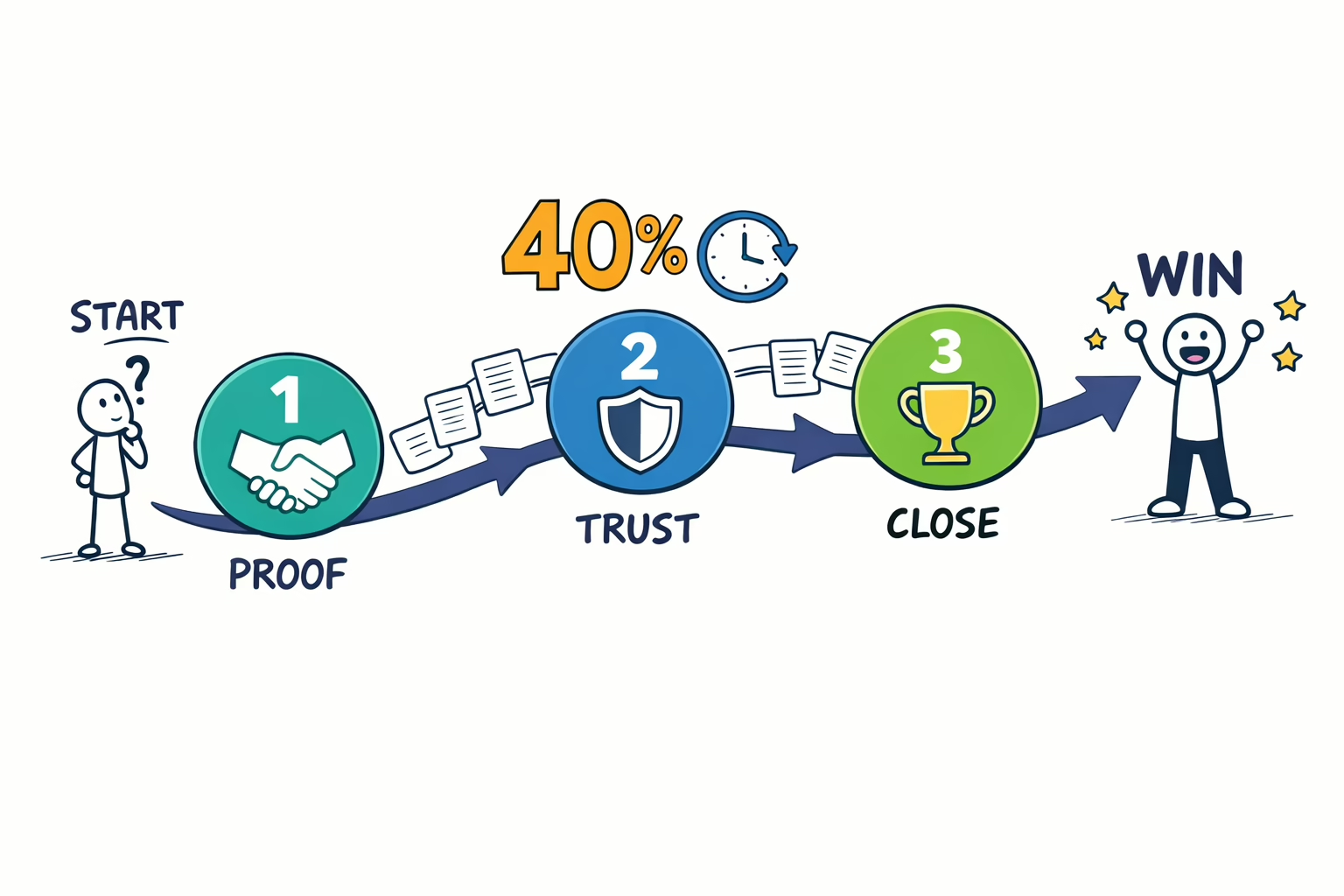
Strong case study examples turn skeptics into buyers. They show proof, not just promises. Service business owners need this proof to close deals.
I built a marketing agency that generated over $25M for clients. Case study examples were the key. They showed potential clients exactly what we could do. Now I help service business owners do the same through Uplify.
Table of Contents
- What Are Case Study Examples for Service Business
- Why Case Study Examples Matter for Your Business
- Best Case Study Examples That Convert
- How to Write Case Study Examples
- Case Study Examples Structure That Works
- Common Case Study Examples Mistakes
- Frequently Asked Questions
What Are Case Study Examples for Service Business
A case study example shows real client results. It tells the story of one specific project. Service business owners use case study examples to prove their value.
Most case study examples follow a simple pattern. They start with the client problem. Then they show your solution. Finally, they reveal the results.
The best case study examples include real numbers. They show actual revenue increases or time saved. Service business case study examples work because they prove results with data.
Key Components of Strong Case Study Examples
Every winning case study example needs five parts. First, introduce the client and their industry. Second, describe their specific problem or challenge.
Third, explain your exact solution step by step. Fourth, show the measurable results with numbers. Fifth, include a direct client quote about their experience.
Service business case study examples should take 3-5 minutes to read. They need clear headers and bullet points. The AI case study generator helps you create this structure in minutes.
Types of Case Study Examples
Before-and-after case study examples show transformation clearly. They compare the starting point to end results. This format works great for service business owners.
Problem-solution case study examples focus on one big challenge. They show how you fixed a specific issue. Client results examples work best when they solve common problems.
Multi-phase case study examples show progress over time. They break results into stages or quarters. Service business case study examples often use this format for long projects.
Expert Insight from Kateryna Quinn, Forbes Next 1000:
“I generated $25M for clients before AI existed. Case study examples were my secret weapon. They showed proof that closed deals instantly.”
Why Case Study Examples Matter for Your Business
Service business owners need trust to close deals. Case study examples build that trust faster than anything else. They show real proof instead of empty promises.
Prospects want to see themselves in your case study examples. When they read about similar clients, they believe you can help them too. This makes case study examples your best sales tool.
According to the SBA marketing guide, customer proof drives more sales than any other content type. Service business case study examples convert because they remove doubt.
Case Study Examples Build Credibility Fast
New clients don’t know your service business yet. They need proof you deliver results. Case study examples provide that proof immediately.
Strong case study examples show you understand their industry. They prove you’ve solved similar problems before. This makes prospects feel safer choosing your service business.
Client results examples work better than testimonials alone. They show the full story, not just one quote. Service business owners who share detailed case study examples close more deals.
How Case Study Examples Shorten Sales Cycles
Prospects spend less time deciding when they see proof. Case study examples answer questions before prospects ask them. This speeds up your sales process significantly.
Sales teams use case study examples in every pitch. They send them after discovery calls to reinforce value. Service business case study examples help prospects justify buying decisions internally.
The best service business owners create case study content for every major offer. They match case study examples to specific prospect needs. This targeted approach converts faster than generic marketing.
Case Study Examples vs Other Proof Types
Testimonials share opinions about your service business. Case study examples share measurable results with data. This makes them more powerful for converting prospects.
Reviews show general satisfaction levels only. Case study examples tell complete transformation stories. Service business case study examples include the problem, solution, and outcome.
AI case study samples help you create professional examples quickly. They follow proven templates that highlight results. Client results examples need both story and numbers to work.
Best Case Study Examples That Convert
The most effective case study examples start with a hook. They grab attention with a specific result number. Service business case study examples should lead with impact.
For example: “How We Helped ABC Consulting Double Revenue in 90 Days.” This case study example immediately shows value. Prospects want to know how you did it.
Strong case study examples use simple language throughout. They avoid jargon that confuses readers. Service business owners should write case study examples at a basic reading level.
Service Business Case Study Example Structure
Start your case study example with client background. Include their industry, size, and main challenge. Keep this section to 2-3 sentences maximum.
Next, describe the problem in specific terms. Show the pain points your client faced. Service business case study examples need clear problem statements.
Then explain your solution with concrete steps. List exactly what you did to help. Finally, share results with real numbers and percentages. Client results examples must include measurable data.
Real Case Study Examples from Service Businesses
A marketing agency case study example might show this: “Client came with 50 leads per month. We implemented new email sequences. Results: 200 leads per month in 60 days.”
A consulting service business case study example: “Manufacturing client had 30% profit margins. We optimized their operations and pricing. New profit margins: 45% within one quarter.”
Fitness studio case study examples work well too. “Gym had 80 members and high churn. We created retention programs. Results: 150 members with 90% retention rate.”
The Forbes case study writing guide recommends keeping examples focused on one main result. Service business case study examples should highlight the biggest win first.
What Makes Case Study Examples Work
Numbers make case study examples believable and powerful. Use percentages, dollar amounts, or time saved. Service business case study examples need specific metrics.
Client quotes add authenticity to your case study examples. They show real people got real results. Include one strong quote in every case study example.
Visual elements help case study examples stand out too. Add before-and-after photos or simple charts. Service business owners should make case study examples easy to scan.
Expert Insight from Kateryna Quinn, Forbes Next 1000:
“The best case study examples show one clear win. Don’t list every service you provided. Focus on the result that matters most.”
How to Write Case Study Examples
Writing strong case study examples starts with picking the right client. Choose a client who saw clear, measurable results. Service business case study examples need obvious transformation stories.
Interview your client to get their full story. Ask about their situation before working with you. Document their exact problem and what changed after.
Record specific numbers during your client interview. Get permission to share results publicly. Service business owners must have client approval before publishing case study examples.
Step-by-Step Case Study Example Creation
First, identify your best client success story. Look for projects with clear before-and-after data. Service business case study examples work best with measurable outcomes.
Second, schedule a 30-minute interview with your client. Ask them to describe their problem and results. Record the conversation so you capture exact quotes.
Third, organize your notes into the standard format. Write the problem section first, then solution, then results. Client results examples should flow in chronological order.
Fourth, add specific numbers to every section possible. Replace vague terms with exact figures. Service business case study examples need data to build trust.
Fifth, get client approval on your draft. Make sure they’re comfortable with everything you shared. Then publish your case study example on your website.
Using AI Tools for Case Study Examples
AI case study generators speed up the writing process. They help you organize information into proven templates. Service business owners save hours using these tools.
The AI case study generator creates professional examples in minutes. You input client details and results. The tool outputs formatted case study examples ready to publish.
AI tools help maintain consistent quality across all case study examples. They follow best practices for structure and length. Service business case study examples stay professional when you use AI assistance.
Questions to Ask Clients for Case Study Examples
Start with: “What was your biggest challenge before we worked together?” This gets the problem statement for your case study example. Service business clients usually remember their pain points clearly.
Ask: “What specific results did you see after working with us?” Push for exact numbers and timelines. Client results examples need measurable data to convince prospects.
Then ask: “How did these results impact your overall business?” This gives you the bigger picture. Service business case study examples should show transformation beyond one metric.
Finally: “Would you recommend our services to others in your industry?” This provides your testimonial quote. Strong case study examples include direct client endorsements.
Case Study Examples Structure That Works
The proven case study example structure has four main sections. Each section serves a specific purpose in your story. Service business case study examples follow this same pattern consistently.
Section one introduces the client and their situation. Keep this brief, just 2-3 sentences. Case study examples should get to the problem quickly.
Section two explains the specific challenge or problem. Describe what wasn’t working before you helped. Service business case study examples need clear problem definition.
Problem Section in Case Study Examples
Your problem section sets up the transformation story. Start with the client’s industry and business type. Then describe their specific challenge in simple terms.
Use concrete details instead of general statements. Bad example: “They had marketing problems.” Good case study example: “They spent $5,000 monthly on ads with zero return.”
Include the impact of the problem on their business. Show what it cost them in money or time. Service business case study examples work when prospects feel the pain.
Solution Section in Case Study Examples
This section shows exactly what you did to help. Break your solution into 3-5 specific steps. Case study examples need clear action items here.
Avoid technical jargon in your solution description. Write like you’re explaining to a friend. Service business case study examples should be easy to understand.
The Entrepreneur case study guide recommends focusing on the “why” behind each step. Client results examples should explain your strategic thinking.
Results Section in Case Study Examples
Start this section with your biggest number immediately. Lead with the most impressive result. Case study examples should showcase wins prominently.
Include multiple metrics if possible in your case study example. Show revenue increase, time saved, and efficiency gains. Service business case study examples become more credible with varied data.
Add a timeline to your results when relevant. State how quickly clients saw improvements. AI case study samples often include 30-60-90 day results.
End with a direct client quote about their experience. This adds authenticity to your case study example. Service business owners should always include testimonial statements in proof examples.
Optional Sections for Case Study Examples
Some case study examples benefit from an “obstacles overcome” section. This shows challenges that arose during the project. Service business case study examples can highlight your problem-solving skills.
A “lessons learned” section adds value for readers. Share insights from the project that help others. Client results examples become educational with this addition.
Consider adding a “next steps” section for ongoing work. Show how you continue helping the client. Service business case study examples can demonstrate long-term partnerships.
Common Case Study Examples Mistakes
Many service business owners make their case study examples too long. They include every detail about every service provided. Strong case study examples focus on one main transformation.
Another mistake: writing case study examples without real numbers. Vague results don’t convince anyone. Service business case study examples need specific, measurable data.
Some business owners forget to get client permission first. Always secure approval before publishing case study examples. This protects both you and your clients legally.
Vague Results in Case Study Examples
Bad case study examples say things like “significant improvement” or “great results.” These phrases mean nothing to prospects. Service business case study examples must include actual numbers.
Replace vague terms with specific percentages or amounts. Instead of “increased revenue,” write “increased revenue by 47%.” Client results examples need precision to build trust.
When you can’t share exact numbers, use ranges. Say “increased leads by 150-200%” if needed. Service business case study examples work better with approximate data than no data.
Making Case Study Examples Too Technical
Industry jargon confuses prospects reading your case study examples. They don’t need to know every technical detail. Service business case study examples should use simple language.
Focus on outcomes, not processes in your case study example. Prospects care about results more than methods. AI case study samples keep technical explanations minimal.
Test your case study examples with someone outside your industry. If they understand it, prospects will too. Service business owners should write for clarity first.
Poor Visual Presentation of Case Study Examples
Wall-of-text case study examples don’t get read by busy prospects. Break content into short paragraphs and bullet points. Service business case study examples need white space and formatting.
Add relevant images or charts to your case study examples. Visual data makes results more impressive. Client results examples benefit from simple graphs.
Use bold text to highlight key numbers and quotes. Make your case study example easy to scan quickly. Service business case study examples should work for skimmers and deep readers.
The content strategy hub provides more tips on formatting marketing materials effectively. Apply these principles to your case study examples too.
Not Updating Case Study Examples Regularly
Old case study examples lose relevance over time. Review and refresh them annually at minimum. Service business case study examples should reflect current capabilities.
Add new case study examples as you complete successful projects. Aim for 5-10 current examples at all times. Client results examples show your ongoing success.
Remove outdated case study examples that no longer represent your work. Keep only your strongest, most recent stories. Service business owners should curate their proof examples carefully.
Expert Insight from Kateryna Quinn, Forbes Next 1000:
“I refresh my case study examples every quarter. New results keep your proof relevant and impressive. Old examples make prospects wonder if you still deliver.”
Conclusion and Next Steps
Case study examples prove your value to skeptical prospects. They show real results for real service business clients. Strong case study examples combine story with specific data.
Start creating your first case study example today. Choose your best client success story. Interview them and document exact results with numbers.
Service business owners who share multiple case study examples close more deals. They build trust faster than competitors without proof. Your case study examples become your best sales tool.
The AI case study generator helps you create professional examples in minutes. It follows the proven structure that converts prospects into clients. Start building your library of case study examples now.
Remember: every case study example needs a problem, solution, and results with real numbers. Include a client quote for authenticity. Service business case study examples work when they tell complete transformation stories.
Frequently Asked Questions
What makes a good case study example for service business?
A good case study example shows a clear problem, your specific solution, and measurable results with real numbers. Service business case study examples need client quotes and industry context. Keep the case study example under 500 words and focus on one main transformation.
How many case study examples does my service business need?
Aim for 5-10 current case study examples on your website. Create case study examples for each major service you offer. Service business owners should add new case study examples quarterly as they complete successful client projects.
Can I create case study examples without client names?
Yes, you can use anonymous case study examples when needed. Replace names with industry descriptions like “Mid-Size Manufacturing Company.” Service business case study examples still work without names if they include real data and results.
How long should my case study examples be?
Keep case study examples between 400-600 words for best results. Prospects read them in 3-5 minutes. Service business case study examples work better when they’re concise and focused on key transformation points.
Where should I share my case study examples?
Publish case study examples on your website, in sales presentations, and in email campaigns. Share client results examples on social media too. Service business owners get the most value when case study examples appear across multiple channels.
How to Create Case Study Examples: Step-by-Step Process
- Identify your most successful client project with measurable results and clear transformation.
- Schedule a 30-minute interview with the client to gather their story and perspective.
- Ask specific questions about their problem, your solution, and the exact results they achieved.
- Get written permission from the client to publish their case study example publicly.
- Write the problem section first, describing their challenge in 2-3 sentences with specific details.
- Create the solution section next, listing 3-5 concrete steps you took to help them.
- Document the results section with specific numbers, percentages, and timeline for each outcome achieved.
- Add one strong client quote that summarizes their experience working with your service business.
- Include relevant visuals like charts or before-and-after images to support your case study example.
- Review, edit for clarity, and publish your case study example on your website and marketing materials.
Quick Reference: What Is a Case Study Example?
A case study example is a detailed story showing how your service business helped one specific client achieve measurable results. Service business case study examples include four main components: the client’s original problem, your solution approach, the results achieved with specific numbers, and a client testimonial quote. The best case study examples take 3-5 minutes to read and focus on one clear transformation rather than listing every service provided. Service business owners use case study examples as proof to convince prospects they can deliver similar results. Client results examples work because they combine storytelling with data, making them more powerful than testimonials or reviews alone. Strong case study examples build trust, shorten sales cycles, and help prospects visualize their own success with your service business.

Kateryna Quinn is an award-winning entrepreneur and founder of Uplify, an AI-powered platform helping small business owners scale profitably without burnout. Featured in Forbes (NEXT 1000) and NOCO Style Magazine (30 Under 30), she has transformed hundreds of service-based businesses through her data-driven approach combining business systems with behavior change science. Her immigrant background fuels her mission to democratize business success.