Your clients scroll past your message. They don’t see why you’re different. So, you lose them before they ever read your offer.
This happens because most service businesses skip the most important part. They don’t create value proposition statements that actually work. Instead, they write generic descriptions that sound like everyone else.
I built a marketing agency from $3K to $34K monthly revenue. My clients generated over $25M in total revenue. The difference? A clear value proposition that made clients choose us instantly. Now, I’ll show you how to create value proposition messaging that wins.
Table of Contents
- What Is a Value Proposition for Clients
- Why Your Value Proposition Wins Clients
- The Value Proposition Formula That Works
- How to Create Value Proposition Messaging
- Value Proposition Examples for Service Businesses
- How to Test Your Value Proposition
- Frequently Asked Questions
What Is a Value Proposition for Clients
A value proposition tells clients why they should choose you. It’s not a tagline or slogan. Instead, it’s a clear statement that shows your unique benefit.
Most service businesses struggle here. They create value proposition messages that list features instead of outcomes. For example, “We offer comprehensive marketing services” doesn’t tell clients what they actually get.
Your value proposition must answer three questions for clients. First, what specific problem do you solve? Second, how do you solve it differently? Third, what result will clients see?
The Core Elements
Every strong value proposition has four parts. The first part names your target client. The second part states their main problem. The third part shows your unique solution. The fourth part promises a specific outcome.
So, when you create value proposition statements, focus on client results. Don’t talk about your process or your team. Instead, show clients what changes after they work with you.
The AI value proposition builder helps service businesses write this in minutes. It asks the right questions and builds your message based on proven formulas.
Why Most Value Propositions Fail
Most value propositions fail because they’re too vague. For example, “We help businesses grow” could mean anything. Clients need specifics to make decisions.
Also, many service businesses create value proposition messages that focus on themselves. They talk about their experience or awards. But clients care about their own problems first.
In fact, research shows clients make decisions in under 8 seconds. Your value proposition must be clear enough to communicate value that fast. Otherwise, clients move to the next option.
Expert Insight from Kateryna Quinn, Forbes Next 1000:
“Your value proposition isn’t about you. It’s about the client’s result. When I shifted our agency message to focus on client revenue growth instead of our services, our close rate doubled.”
Why Your Value Proposition Wins Clients
Your value proposition drives every client decision. When you create value proposition messaging correctly, clients understand your offer instantly. So, they choose you over competitors who sound generic.
Service businesses with strong value propositions convert 40% more prospects. This happens because clear messaging reduces buyer confusion. Clients know exactly what they’re getting and why it matters.
Value Proposition Impact on Revenue
A strong value proposition directly increases revenue for service businesses. When clients see clear value, they pay higher prices. They also refer more because they can explain what you do.
For example, one salon owner changed her value proposition from “full service salon” to “expert color correction that fixes home dye disasters in one appointment.” Her average ticket increased by 65% because clients valued that specific solution.
According to the SBA business planning guide, clear positioning directly impacts profit margins for small businesses.
How Value Propositions Build Trust
When you create value proposition statements that speak to client problems, you build instant trust. Clients think, “They understand my situation.” This emotional connection drives decisions more than features or price.
Also, specific value propositions make your business memorable. Clients remember results, not general statements. So, they come back when they need that specific outcome again.
Your value proposition works across all marketing channels. It guides your website copy, social media posts, sales conversations, and email campaigns. This consistency builds recognition and trust with potential clients.
The Value Proposition Formula That Works
The best value proposition formula is simple. It follows this structure: “We help [target client] achieve [specific result] through [unique method] so they can [desired outcome].”
This value prop formula works because it’s specific and client-focused. For example, “We help fitness studio owners increase monthly recurring revenue by 35% through automated retention systems so they can stop chasing new members every month.”
Breaking Down the Formula
The first part identifies your ideal client. Don’t say “businesses” or “everyone.” Name the specific type of client who gets the most value from your service.
The second part states a measurable result. Numbers work best here. Use percentages, time savings, or revenue increases. Clients need concrete expectations when they evaluate your value proposition.
The third part explains your unique method. This is what makes you different from competitors. It’s not just what you do, but how you do it better or differently.
The fourth part connects to the client’s deeper goal. This answers “so what?” and shows why the result matters to their business or life.
Variations for Different Clients
You may need multiple value propositions for different client segments. A marketing agency might create value proposition statements for both local businesses and e-commerce brands. Each version focuses on that segment’s specific needs.
However, keep your core value proposition consistent. The variations should emphasize different aspects of the same core benefit. This maintains brand clarity while speaking to different client needs.
The brand messaging strategy guide shows how to create value proposition variations that stay consistent with your core positioning.
How to Create Value Proposition Messaging
To create value proposition statements that convert, follow these specific steps. First, identify your best clients. Look at who you’ve helped the most and who paid the highest prices.
Second, list their top three problems before working with you. Write these in their own words, not business jargon. Clients hire you to solve problems they can clearly articulate.
Step-by-Step Process
- List your top 5 clients from the past year
- Write the main problem each client had before hiring you
- Document the specific result each client achieved
- Identify the common pattern across all five clients
- Write your unique method that created those results
- Draft your value proposition using the formula above
- Test your value proposition with three past clients
- Revise based on their feedback and confusion points
- Use your value proposition across all marketing channels
- Track conversion rates and adjust messaging as needed
Research Your Client Language
Before you create value proposition messaging, study how clients describe their problems. Read reviews of your competitors. Look at social media comments in your industry. Join client communities and observe conversations.
When you use client language in your value proposition, it resonates immediately. Clients think, “This person gets it.” So, they trust you faster than competitors who use industry terms.
For example, personal trainers often say “body composition optimization.” But clients say “lose the belly fat.” The second phrase connects because it’s how clients actually think about their problem.
Focus on Transformation
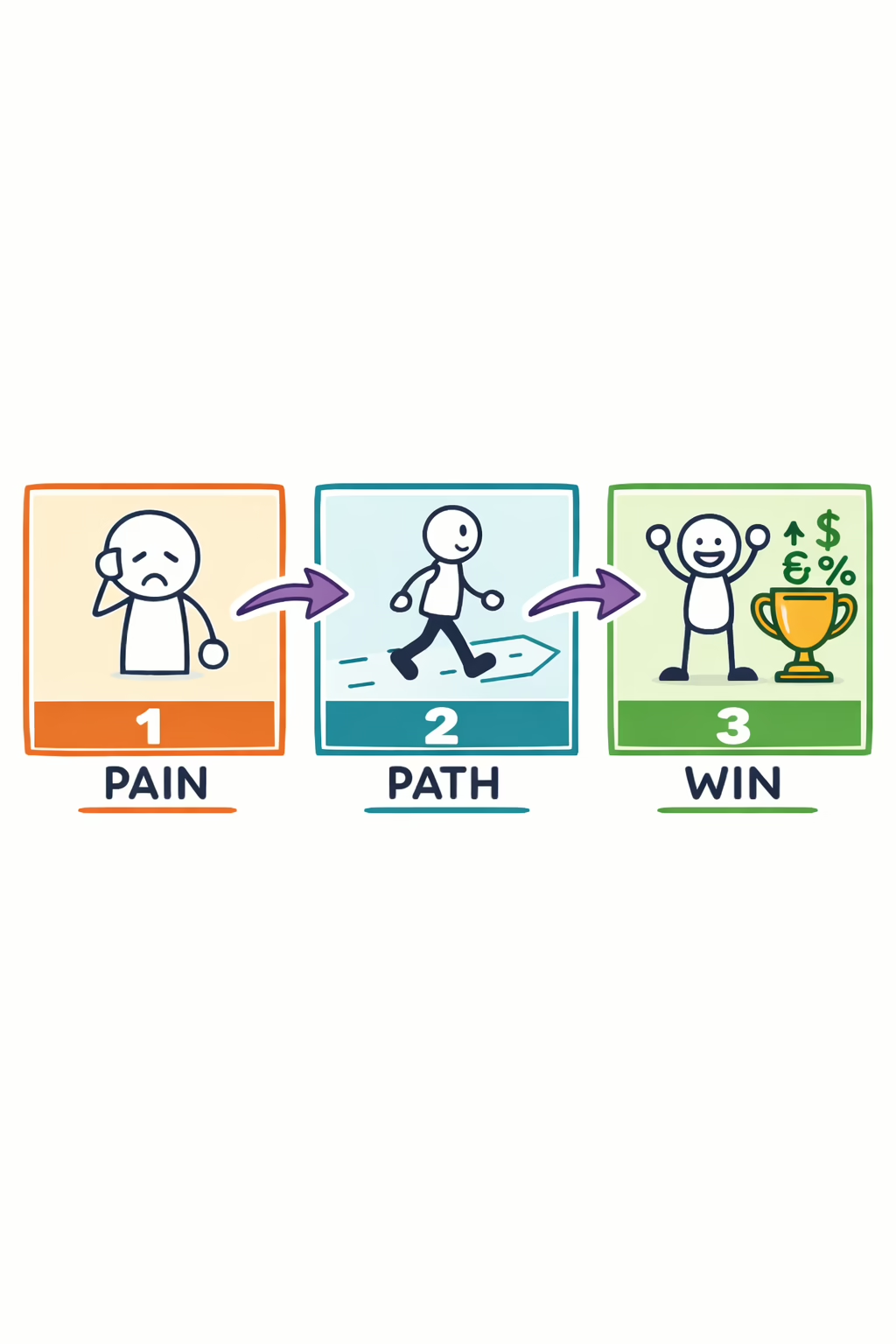
Strong value propositions show before-and-after transformation for clients. Don’t just state what you do. Instead, paint a picture of the client’s life after working with you.
So, instead of “We provide bookkeeping services,” write “We help service business owners stop worrying about tax season and know their profit every week.” The second version shows the emotional relief clients want.
According to Entrepreneur’s value proposition research, transformation-focused messaging increases conversion rates by up to 47% for service businesses.
Expert Insight from Kateryna Quinn, Forbes Next 1000:
“I spent years trying to create the perfect value proposition. Then I realized clients don’t buy perfection. They buy the feeling of relief when they know their problem is solved.”
Use the AI Value Proposition Builder
The AI value proposition builder speeds up this entire process. It asks strategic questions about your clients, analyzes your responses, and generates value proposition options based on proven formulas.
This AI positioning tool saves hours of writing and testing. It also prevents common mistakes like being too vague or feature-focused. The tool guides you to create value proposition statements that actually convert clients.
Value Proposition Examples for Service Businesses
Let me show you real value proposition examples that work. These come from actual service businesses that increased conversion rates after implementing clear value propositions.
Fitness Studio Example
Before: “Premier fitness studio offering group classes and personal training.”
After: “We help busy professionals lose 15-20 pounds in 12 weeks through 30-minute workouts and meal plans that fit their schedule.”
This value proposition works because it names the target client (busy professionals), shows the specific result (15-20 pounds in 12 weeks), and addresses their main constraint (time).
Marketing Agency Example
Before: “Full-service digital marketing agency with proven results.”
After: “We help local service businesses generate 15-30 qualified leads per month through targeted Facebook ads without wasting money on clicks that never convert.”
This value proposition specifies the client type, quantifies the result, names the method, and eliminates a common fear (wasted ad spend).
Accounting Firm Example
Before: “Experienced accountants providing tax and bookkeeping services.”
After: “We help product-based business owners reduce their tax bill by 25-40% through strategic entity structuring and quarterly planning so they keep more profit.”
This value proposition targets a specific client type, promises a measurable outcome, explains the method, and connects to the deeper goal (keeping more profit).
Salon Example
Before: “Modern salon offering cuts, color, and styling.”
After: “We fix color disasters and damaged hair in one appointment so you can stop hiding under hats and feel confident again.”
This value proposition addresses a painful problem, promises a fast solution, and focuses on the emotional outcome clients really want.
Business Coach Example
Before: “Executive coaching for leadership development.”
After: “We help new managers lead their teams with confidence through a 90-day system so they stop second-guessing every decision and earn their team’s respect.”
This value proposition names the client, shows the outcome, explains the timeframe, and addresses the emotional struggle (second-guessing and earning respect).
The positioning strategy guide shows how to create value proposition statements that differentiate your business in crowded markets.
How to Test Your Value Proposition
After you create value proposition messaging, you must test it. Don’t assume it works just because it sounds good to you. Clients decide if your value proposition is effective.
First, show your value proposition to five past clients. Ask them, “Does this describe what I helped you with?” If they’re confused or hesitant, your message isn’t clear yet.
The 5-Second Test
Show your value proposition to someone unfamiliar with your business. Give them 5 seconds to read it. Then, hide it and ask what you do. If they can’t explain it clearly, simplify your message.
This test reveals whether your value proposition is instantly clear. Remember, clients make decisions fast. Complex messages lose attention before they communicate value.
A/B Test Your Value Proposition
Test different value proposition versions on your website. Use one version for two weeks, then switch to another. Track which version generates more contact form submissions or consultation bookings.
Also, test your value proposition in sales conversations. Pay attention to which phrases make clients lean in versus which ones make them look confused. Client reactions tell you what resonates.
According to research from Harvard Business Review on value propositions, businesses that test and refine their messaging see 3x higher conversion rates than those who don’t.
Track Client Questions
If clients consistently ask the same questions after reading your value proposition, it’s not clear enough. Those common questions reveal gaps in your messaging. Add that information to your value proposition.
For example, if clients always ask “How long does it take?” after hearing your value proposition, add a timeframe. If they ask “Is this for businesses like mine?” make your target client more specific.
Monitor Conversion Rates
Track your conversion rate before and after implementing your new value proposition. Measure website visitors to consultation requests. Also track consultation requests to closed clients.
A strong value proposition should increase both metrics. If you see improvement in one but not the other, adjust the message. Your value proposition might attract more inquiries but not the right clients.
Frequently Asked Questions
What is a value proposition for clients?
A value proposition tells clients why they should choose your service. It names their problem, your unique solution, and the specific result they’ll get. Strong value propositions focus on client transformation, not just service features.
How do I create value proposition messaging?
To create value proposition statements, first identify your best clients and their main problems. Then write how you solve those problems differently than competitors. Finally, state the specific result clients will achieve. Use the formula: “We help [client] achieve [result] through [method].”
Why does my value proposition matter for clients?
Your value proposition drives client decisions. Clear value propositions help clients understand your offer instantly. So, they choose you over competitors with vague messages. Strong value propositions also increase the prices clients will pay.
When should I use my value proposition?
Use your value proposition everywhere clients see your business. This includes your website homepage, social media profiles, email signatures, and sales conversations. Consistent value proposition messaging builds recognition and trust with potential clients.
Can AI help me create value proposition content?
Yes, AI tools like the value proposition builder analyze your client information and generate multiple options. These AI positioning tools follow proven formulas and prevent common mistakes. However, you still need to test the results with real clients to ensure clarity.
Quick Reference: Value Proposition Definition
A value proposition is a clear statement that explains how your service solves a specific client problem better than alternatives. It names your target client, states their main challenge, describes your unique solution method, and promises a measurable outcome.
Effective value propositions focus on client transformation rather than service features. They use client language instead of industry jargon. Strong value propositions answer the question “Why should I choose you?” in one clear statement that clients understand instantly.
Your Next Steps to Create Value Proposition Success
Now you have everything you need to create value proposition statements that win clients. Start by identifying your top five clients from the past year. Write down their problems and results using their own words.
Then, draft your value proposition using the formula from this guide. Test it with past clients and track their reactions. Revise until clients immediately understand what you do and why it matters to them.
The AI value proposition builder can speed up this process and generate multiple options for your service business. It asks the right questions and applies proven formulas so you create value proposition messaging that converts.
Remember, your value proposition isn’t about perfection. It’s about clarity. When clients instantly understand the transformation you offer, they choose you. So, start writing your value proposition today and test it with real clients tomorrow.
Your clients are waiting for a message that speaks directly to their needs. Give them a value proposition that shows you understand their problem and have the exact solution they need.

Kateryna Quinn is an award-winning entrepreneur and founder of Uplify, an AI-powered platform helping small business owners scale profitably without burnout. Featured in Forbes (NEXT 1000) and NOCO Style Magazine (30 Under 30), she has transformed hundreds of service-based businesses through her data-driven approach combining business systems with behavior change science. Her immigrant background fuels her mission to democratize business success.