Your blog gets traffic but not customers. That’s the problem most service business owners face every day.
You write great blog content. Readers visit your blog. Then they leave without buying anything from your business.
I generated $25M for clients before building Uplify. This blog conversion strategy works for service businesses. It turns blog readers into paying customers fast.
This guide shows you exactly how to convert blog traffic into customers. You’ll learn the systems that drive real conversion results for your business.
Table of Contents
- What Is Blog Conversion Strategy
- Why Blog Conversion Strategy Matters for Your Business
- Blog Conversion Strategy Fundamentals
- How to Capture Customers from Your Blog
- Content Monetization: Turn Blog Readers into Revenue
- Your Blog Conversion Strategy Implementation Plan
What Is Blog Conversion Strategy
A blog conversion strategy turns blog readers into paying customers. Most blogs focus on traffic. This blog conversion strategy focuses on revenue.
Your blog should generate customers for your business. Every blog post should move readers toward conversion. That’s what separates profitable blogs from traffic blogs.
Blog conversion happens when readers take action. They join your email list. They book a call. They buy your service or product.
The Customer Journey from Blog to Conversion
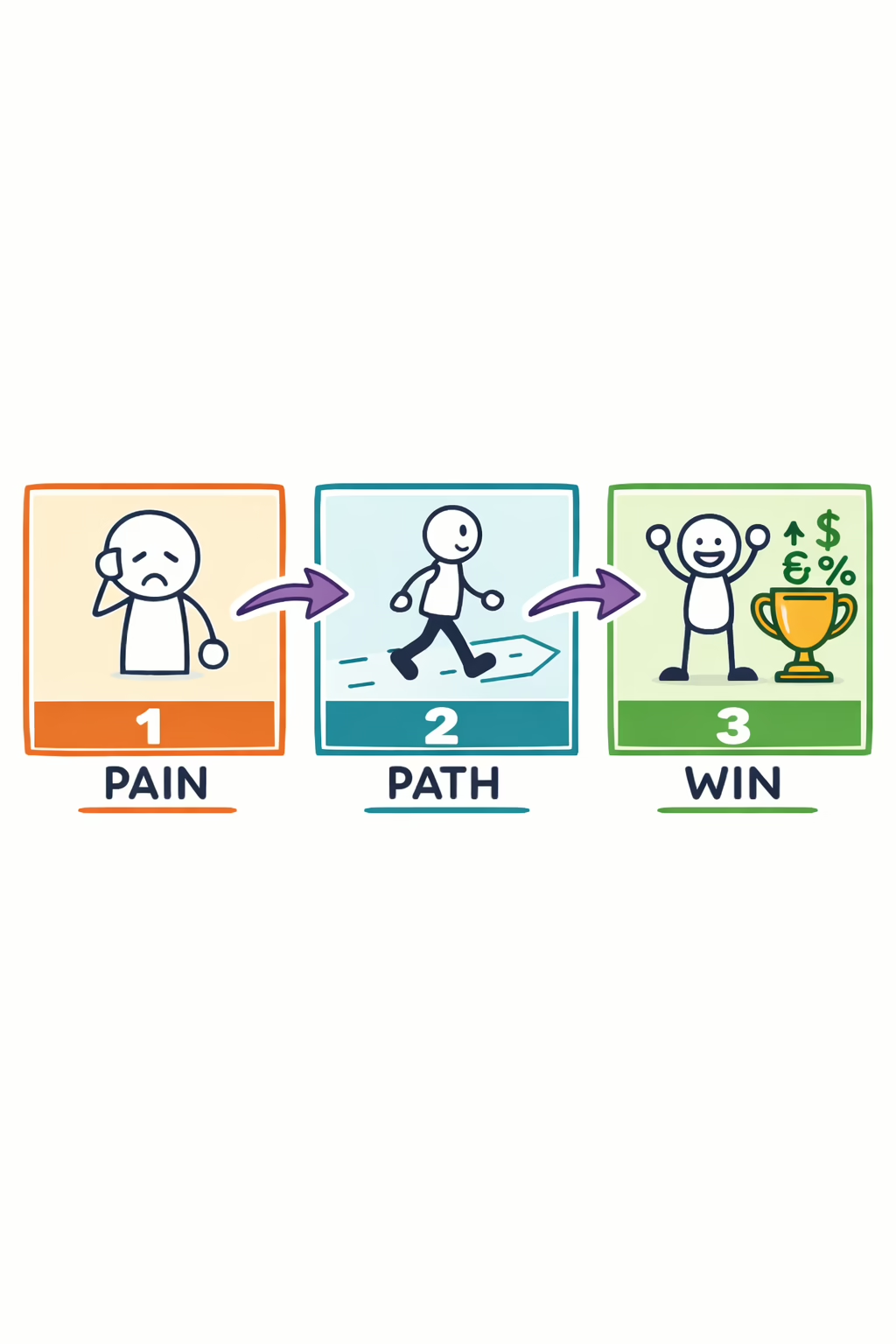
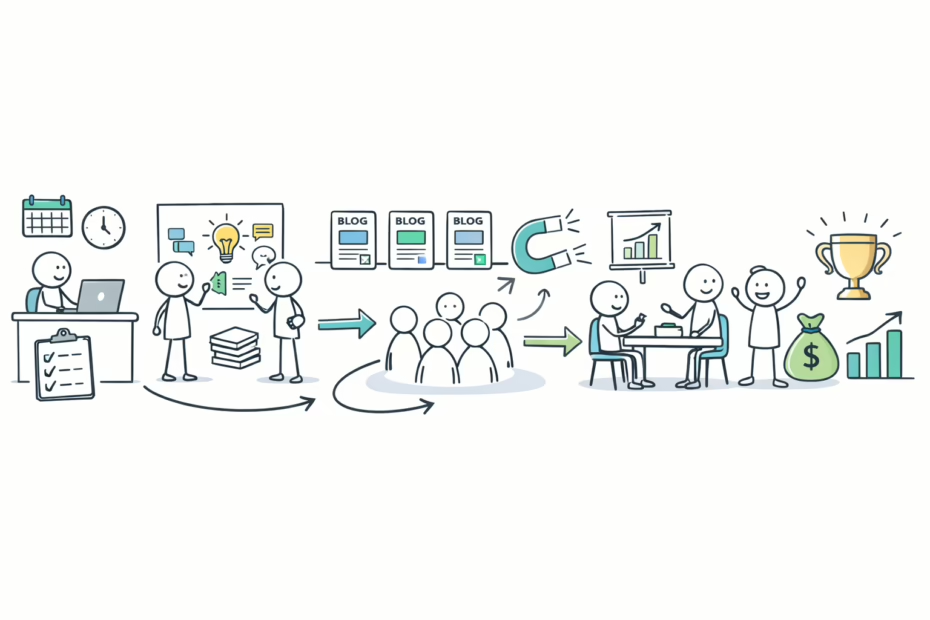
Blog readers move through stages before conversion. First, they find your blog through search or social media. Then, they read your blog content.
Next, they decide if you can help their business. After that, they either leave or take action. Your blog conversion strategy controls this path.
Most service business owners lose customers at this stage. They write blog posts without conversion systems. Their blog traffic goes nowhere.
So, build your blog conversion strategy around customer action. Every blog element should guide readers toward conversion. That’s how you turn blog content into business revenue.
Blog Conversion vs. Content Marketing
Content marketing builds awareness. Blog conversion generates customers. Both matter for your business, but conversion pays the bills.
Your blog needs both strategies working together. Content attracts readers. Conversion systems turn those readers into customers. Without conversion, blog traffic means nothing.
The AI lead magnet builder helps create conversion tools fast. It designs lead magnets that capture blog readers for your business.
Key Takeaway: Blog conversion strategy transforms readers into customers through systematic action steps.
Why Blog Conversion Strategy Matters for Your Business
Blog traffic without conversion wastes your time. You spend hours writing blog content. You get visitors. But your business makes no money.
A strong blog conversion strategy changes everything. It turns blog readers into customers automatically. Your blog becomes a revenue system for your business.
Service business owners need this blog conversion strategy most. Your blog can generate leads while you serve customers. It works 24/7 for your business.
The Revenue Impact of Blog Conversion
Blog conversion directly affects your business revenue. Even small conversion rate improvements multiply your income. More blog readers become customers.
For example, if 1,000 blog readers visit monthly and 2% convert, you get 20 customers. Increase conversion to 4%, and you double customers to 40.
Your blog traffic stays the same. But your conversion strategy doubles business revenue. That’s the power of conversion optimization for blog content.
Most service business blogs convert under 1%. With the right blog conversion strategy, you can hit 3-5% conversion rates. That’s 3-5x more customers from existing blog traffic.
Why Most Blogs Fail at Conversion
Most blogs lack conversion systems. They publish blog content without clear customer paths. Readers enjoy the blog but never buy.
Also, many business owners treat blogs as information sites. They forget blogs should drive conversion. Their blog content educates but doesn’t sell.
Then, there’s the fear of being “too salesy.” So business owners avoid calls-to-action in blog posts. This kills blog conversion completely.
Your blog can educate and convert customers simultaneously. The key is strategic blog conversion strategy throughout your content. Every blog post should offer clear next steps.
According to the SBA marketing guide, small businesses need systematic conversion approaches. Your blog conversion strategy provides exactly that for your business.
Key Takeaway: Blog conversion strategy multiplies revenue without increasing blog traffic or business marketing costs.
Blog Conversion Strategy Fundamentals
Every successful blog conversion strategy needs core elements. These fundamentals work across all service business blogs. Master them, and conversion becomes predictable.
Your blog conversion strategy must address reader psychology. People read blog content for solutions. They convert when they trust your business can help.
So, your blog needs to build trust quickly. It should demonstrate expertise. Then, it must guide readers toward conversion naturally.
Understanding Your Blog Audience
Blog conversion starts with knowing your customers. What problems bring them to your blog? What solutions do they want from your business?
Service business owners often write blog content they find interesting. But conversion depends on customer needs. Your blog should answer their questions.
In fact, the best blog conversion strategy begins with customer research. Survey existing customers. Read their reviews. Study their language about your business.
Then, write blog content using their exact words. This creates instant connection with blog readers. They feel understood by your business immediately.
The Conversion Funnel in Blog Content
Every blog post should move readers through a conversion funnel. Top of funnel blog content attracts customers. Middle funnel blog posts build trust.
Bottom of funnel blog content drives conversion. Your blog needs all three types. Different readers enter at different stages.
Yet, most service business blogs focus only on top funnel content. They attract blog readers but never convert customers. Your blog conversion strategy must include all funnel stages.
For instance, top funnel blog posts answer basic questions. Middle funnel blog content compares solutions. Bottom funnel blog posts sell your specific service.
The offer creation system helps design services that blog readers actually want. It aligns your business offerings with customer needs from blog research.
Trust Signals That Drive Blog Conversion
Blog readers need trust before conversion. Your blog content must prove your business delivers results. Social proof accelerates this trust.
Include customer results in blog posts. Show specific numbers. “I helped Sarah’s business grow revenue 40% in 90 days.”
Also, demonstrate expertise through blog content depth. Don’t write surface-level blog posts. Go deep on customer problems your business solves.
After that, add credibility markers to your blog. Mention relevant credentials. Reference your business experience. Show you understand customer challenges.
Key Takeaway: Blog conversion strategy combines audience understanding, funnel design, and trust signals to convert readers consistently.
How to Capture Customers from Your Blog
Capturing customers from blog content requires specific systems. You can’t just hope blog readers contact your business. You need active conversion mechanisms.
The best blog conversion strategy uses multiple capture points. Every blog post should offer several ways for customers to take action.
So, design your blog with conversion in mind. Place customer capture tools strategically throughout blog content. Make conversion easy for readers.
Lead Capture Tools for Blog Conversion
Lead capture tools transform blog readers into customers. The most effective tool is a lead magnet. It offers value in exchange for contact information.
Your blog should promote relevant lead magnets. Each blog post topic should connect to a specific customer resource. This increases blog conversion rates dramatically.
For example, a blog post about pricing strategy should offer a pricing calculator. A blog about sales scripts should provide a template customers can download.
The AI lead magnet builder creates these conversion tools fast. It designs lead magnets that attract blog readers in your specific business niche.
Strategic Call-to-Action Placement in Blog Posts
Every blog post needs multiple calls-to-action for conversion. Place the first CTA early in blog content. Don’t make customers wait.
Then, include mid-blog CTAs for readers who need more information. Finally, end every blog post with a strong conversion call-to-action.
Most service business blogs bury CTAs at the bottom. By then, most blog readers have left. Your blog conversion strategy should capture customers throughout the content.
In addition, vary your blog CTAs by reader stage. Early blog CTAs can offer lead magnets. Mid-blog CTAs might invite newsletter signup. Final blog CTAs should push for direct customer contact.
Reader Conversion Through Value Demonstration
Blog content itself drives conversion when it demonstrates value. Don’t hold back in blog posts. Give customers actionable advice.
Many business owners fear giving away too much in blog content. They worry readers won’t become customers. This thinking kills blog conversion.
Actually, valuable blog content proves you can help. Customers think: “If the free blog post helped this much, the paid service must be amazing.”
So, make your blog content the best reader conversion tool. Solve real customer problems in blog posts. Show your business expertise through helpful content.
Research from Forbes on marketing statistics shows that educational content drives higher conversion. Your blog becomes a customer acquisition system through value delivery.
Key Takeaway: Blog conversion requires strategic lead capture tools, multiple CTAs, and high-value content that demonstrates business expertise.
Content Monetization: Turn Blog Readers into Revenue
Content monetization transforms your blog from expense to revenue generator. Your blog conversion strategy should make money for your business directly.
Service business owners often see blogs as marketing costs. But a strong blog conversion strategy turns blog content into profit. Every blog post becomes a revenue opportunity.
So, approach your blog with content monetization in mind. Write blog posts that naturally lead to customer conversion. Design blog content that sells your business services.
Direct Service Promotion in Blog Content
Your blog should promote your business services directly. Don’t hide what you sell. Every blog post should connect to service offerings.
For instance, a blog post about marketing strategy should mention your business marketing services. Make the connection clear for customers reading blog content.
Yet, balance promotion with value in blog posts. Lead with helpful content. Then, show how your business services solve bigger customer problems.
Also, create blog content around your best service offerings. If your business makes most revenue from consulting, write blog posts about customer consulting topics.
Email List Building Through Blog Conversion
Email lists multiply blog conversion value over time. One blog visitor might not convert immediately. But email keeps your business connected to customers.
So, every blog post should build your email list. Offer valuable resources that require email signup. Then, nurture those blog readers into customers through email sequences.
Most service business owners collect emails but never email customers. That wastes blog conversion potential. Your email list should receive regular business updates and offers.
In fact, blog readers on your email list convert 5-10x better than one-time visitors. Email turns single blog visits into ongoing customer relationships.
Conversion-Optimized Blog Post Structure
Blog post structure affects conversion rates significantly. Start blog posts with customer pain points. Hook readers immediately with problems they face.
Then, deliver solutions in your blog content. Break complex topics into simple steps customers can follow. Make blog posts scannable with clear subheadings.
After that, include conversion opportunities throughout blog structure. Don’t save CTAs for the end. Offer customer action steps when readers feel engaged.
Finally, end blog posts with clear next steps. Tell customers exactly what to do after reading blog content. Remove confusion about conversion paths.
The AI blog post writer structures content for conversion automatically. It places CTAs strategically and writes blog posts that guide customers toward action.
Key Takeaway: Content monetization requires service promotion, email list building, and conversion-optimized blog structure for maximum revenue.
Your Blog Conversion Strategy Implementation Plan
Now you need an implementation plan for blog conversion strategy. Theory helps, but action creates customers. This section gives you specific steps.
Your blog conversion strategy should roll out systematically. Start with high-traffic blog posts. Optimize those for customer conversion first.
Then, apply blog conversion principles to new content. Every new blog post should include conversion elements from the start.
Audit Your Current Blog for Conversion
Start by auditing existing blog content for conversion opportunities. Look at your top 10 blog posts by traffic. Do they have clear customer CTAs?
Check if blog posts include lead magnets. Verify that readers can contact your business easily. Look for trust signals in blog content.
Most service business blogs fail this audit badly. They have traffic but no conversion systems. Your blog conversion strategy fixes this fast.
So, document what’s missing from each blog post. Create a list of conversion improvements needed. Then, prioritize blog posts by traffic volume.
Create Conversion Assets for Your Blog
Blog conversion requires supporting assets. You need lead magnets for customer capture. You need email sequences for blog subscriber nurturing.
Also, create service landing pages your blog links to. Don’t send blog readers to generic contact forms. Create specific customer landing pages for blog conversion.
For instance, if your blog covers marketing strategy, create a marketing services landing page. Link blog posts about marketing to that specific customer page.
The AI landing page builder creates conversion-optimized pages fast. It designs landing pages that turn blog traffic into business customers effectively.
Implement Conversion Tracking for Blog Performance
Track blog conversion metrics religiously. You can’t improve what you don’t measure in your business. Set up tracking for every customer conversion point.
Monitor which blog posts generate the most customers. See which CTAs convert blog readers best. Test different lead magnets for conversion rates.
Then, double down on what works for your blog conversion strategy. Write more blog content similar to high-converting posts. Replicate successful customer capture methods.
Also, A/B test blog conversion elements regularly. Try different CTA copy. Test various lead magnet offers. Experiment with blog post structures for customers.
According to Entrepreneur’s guide on content ROI, tracking content performance drives better business decisions. Your blog conversion strategy needs data to improve continuously.
Scale Your Blog Conversion System
Once blog conversion works, scale the system. Create more blog content using proven conversion structures. Expand blog topics while maintaining customer focus.
But, maintain quality as you scale blog production. Poor blog content won’t convert customers. Your blog conversion strategy requires valuable content consistently.
So, build systems that maintain blog quality at scale. Use templates for blog posts. Create checklists for conversion elements. Standardize customer capture processes.
In addition, repurpose high-converting blog content across channels. Turn blog posts into social media content. Create videos from successful blog topics. Multiply customer reach.
Key Takeaway: Blog conversion strategy implementation requires auditing current blog content, creating conversion assets, tracking performance metrics, and scaling proven systems.
10-Step Blog Conversion Strategy Process
Follow these steps to implement blog conversion strategy for customers:
- Audit your blog for conversion gaps and customer action opportunities
- Create lead magnets that attract blog readers in your business niche
- Install email capture tools on high-traffic blog posts for customers
- Write conversion-focused blog content that addresses customer problems directly
- Add strategic CTAs throughout blog posts at multiple conversion points
- Design service landing pages that convert blog traffic into customers
- Set up conversion tracking for every blog customer action point
- Test different blog conversion elements like CTA copy and placement
- Analyze blog performance data to identify customer conversion patterns
- Scale successful blog conversion strategies across all content for business
Quick Reference: Blog Conversion Strategy Definition
Blog conversion strategy is a systematic approach to turn blog readers into paying customers. It combines valuable content with strategic conversion elements throughout blog posts.
A complete blog conversion strategy includes lead capture tools, multiple calls-to-action, trust signals, service promotion, and email list building. Each blog post guides readers toward specific customer actions.
The strategy focuses on conversion rates rather than just blog traffic. It transforms blog content from informational resource into revenue-generating business asset through systematic customer capture methods.
Service business owners use blog conversion strategy to generate leads automatically. The blog works 24/7 to convert readers into customers without additional business owner time investment.
Frequently Asked Questions
What is blog conversion strategy?
Blog conversion strategy is a system that turns blog readers into paying customers. It combines valuable blog content with conversion tools like lead magnets, CTAs, and email capture. The strategy focuses on customer action rather than just blog traffic for business revenue.
How do I convert blog readers into customers?
Convert blog readers into customers by offering valuable content first. Then, add strategic CTAs throughout blog posts. Include lead magnets that capture customer contact information. Guide blog readers toward clear next steps with your business services.
Why does blog conversion matter for service businesses?
Blog conversion matters because it generates revenue from content. Service business owners need customers, not just blog traffic. A strong conversion strategy turns blog posts into lead generation machines. This creates predictable customer flow for business growth.
When should I add conversion elements to blog posts?
Add conversion elements to blog posts from the very start. Include early CTAs within the first few paragraphs. Place mid-blog conversion offers when readers are engaged. End every blog post with clear customer action steps for business contact.
Can blog conversion work for small service businesses?
Yes, blog conversion works especially well for small service businesses. You don’t need huge blog traffic to generate customers. Even small conversion rate improvements create significant revenue. Focus on conversion optimization over traffic for business results.
Start Converting Blog Readers Into Customers Today
Your blog should generate customers for your business now. Stop writing blog content that just sits there. Implement this blog conversion strategy immediately.
Most service business owners overcomplicate blog conversion. They think they need fancy funnels or complex customer systems. But conversion starts with simple steps.
So, begin with one blog post today. Add a lead magnet. Include clear customer CTAs. Guide blog readers toward your business services naturally.
Then, track what happens to conversion rates. Measure customer actions from blog content. Refine your blog conversion strategy based on real business data.
The AI lead magnet builder helps you create conversion tools fast. It designs resources that capture blog readers and turn them into customers for your business.
Your blog has revenue potential sitting unused. Every blog reader represents a customer opportunity. This blog conversion strategy unlocks that business value.
Remember, I generated $25M for clients using these exact blog conversion systems. This strategy works for service businesses when implemented correctly. Your blog can become your best customer acquisition channel.
Expert Insight from Kateryna Quinn, Forbes Next 1000:
“Blog traffic means nothing without conversion. Focus on turning readers into customers. That’s how blogs drive real business revenue and growth.”

Kateryna Quinn is an award-winning entrepreneur and founder of Uplify, an AI-powered platform helping small business owners scale profitably without burnout. Featured in Forbes (NEXT 1000) and NOCO Style Magazine (30 Under 30), she has transformed hundreds of service-based businesses through her data-driven approach combining business systems with behavior change science. Her immigrant background fuels her mission to democratize business success.