You know your work gets results. But prospects still hesitate. They need proof before they buy. That’s where case studies in sales calls change everything.
I built a marketing agency to $34K monthly revenue. My team generated over $25M for clients. One secret? Using case studies during sales calls. They turned skeptics into buyers fast.
This guide shows you how to use case studies in sales calls. You’ll learn when to share them. You’ll get word-for-word scripts. You’ll see common mistakes to avoid. Plus, you’ll discover how AI speeds up the whole process.
Table of Contents
- What Are Case Studies and Why They Work in Sales
- When to Use Case Studies in Sales Calls (Perfect Timing)
- Choosing the Right Case Study for Each Prospect
- Scripts and Examples: How to Present Case Studies
- Common Mistakes When Using Case Studies in Sales
- How AI Tools Speed Up Case Study Creation
What Are Case Studies and Why They Work in Sales
A case study tells a client success story. It shows real results you delivered. It includes specific numbers and outcomes. Case studies prove you can solve the exact problem your prospect faces.
Most small business owners skip case studies. They think testimonials are enough. But testimonials say “it was great.” Case studies say “here’s exactly what happened.”
The difference matters during sales calls. Your prospect wants proof of results. They want to see someone like them succeed. Case studies give them that evidence.
Why Case Studies Work Better Than Other Proof
Case studies beat testimonials for three reasons. First, they include specific numbers. Second, they show the process you followed. Third, they match your prospect’s situation.
A testimonial might say: “Great service!” A case study says: “We increased revenue by 47% in 90 days using this three-step process.” Which one would convince you?
Research on effective sales strategies shows social proof drives buying decisions. Case studies provide the strongest form of proof.
Key Takeaway: Case studies prove you deliver results through specific examples and numbers.
What Makes a Good Sales Call Case Study
Good case studies for sales calls have five parts. They describe the client’s problem. They explain what you did. They share specific results. They include a timeline. They match your prospect’s industry or challenge.
Keep case studies short during calls. Aim for 60-90 seconds spoken. Save the long version for follow-up emails. Your prospect needs just enough detail to believe you.
The best case studies answer the question every prospect asks: “Can you help someone like me?” When your case study matches their situation, they stop doubting. They start buying.
When to Use Case Studies in Sales Calls (Perfect Timing)
Timing determines whether case studies help or hurt. Share them too early, and prospects tune out. Share them too late, and you miss the sale. Perfect timing turns interest into commitment.
I learned this after 500+ sales calls. Some moments are better than others. Here’s when to use case studies in sales calls for maximum impact.
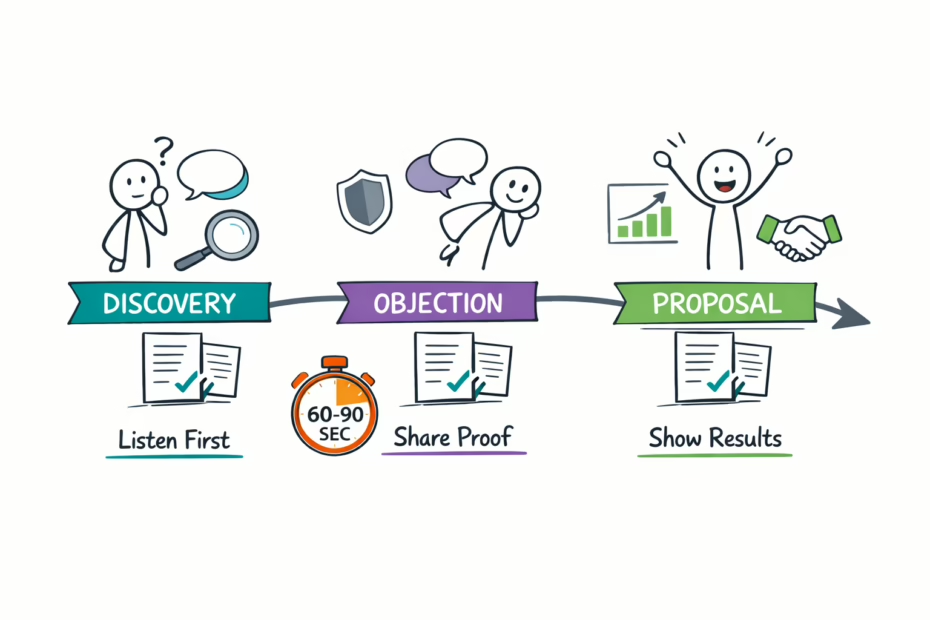
The Three Best Moments to Share Case Studies
First, share a case study after you understand their problem. Let them explain their challenge completely. Then say: “I worked with someone facing the exact same issue.”
Second, use case studies when handling objections. If they say “that sounds expensive,” share how another client doubled revenue. Numbers justify the investment fast.
Third, introduce case studies during the proposal stage. After you present your solution, say: “Here’s what happened when we did this for another client.”
Never open with a case study. Prospects don’t care about others yet. They care about themselves first. Earn the right to share by listening first.
How Many Case Studies to Use Per Call
Use 1-3 case studies maximum per sales call. More than that overwhelms prospects. They stop listening and start zoning out.
One case study works for simple sales. Two case studies fit complex situations. Three case studies help when you’re overcoming multiple objections.
Quality beats quantity every time. One perfect match is worth ten random examples. Choose case studies that mirror your prospect’s exact situation.
Building a library of case studies for marketing helps you pick the right story fast. You need options ready before calls start.
Reading Prospect Signals for Case Study Timing
Watch for three signals that say “share a case study now.” First, prospects ask “has this worked before?” Second, they seem skeptical about your claims. Third, they request proof or references.
Also watch for objections about risk. When prospects say “what if it doesn’t work,” that’s your cue. Share a case study about a client who had the same fear.
Sometimes prospects directly ask for examples. Don’t make them wait. Have 2-3 case studies memorized for instant delivery. Hesitation kills credibility during sales calls.
Key Takeaway: Share case studies after understanding problems, during objections, or when prospects ask for proof.
Choosing the Right Case Study for Each Prospect
The wrong case study wastes everyone’s time. The right case study closes the sale. Matching case studies to prospects requires strategy and preparation.
You need multiple case studies ready. Different prospects need different proof. Here’s how to pick winners every time.
Match Industry and Business Size
Prospects trust case studies from similar businesses. A gym owner wants to hear about other gyms. A consultant wants consultant examples. Match the industry first.
Business size matters too. Don’t share Fortune 500 results with solo business owners. They’ll think “that won’t work for me.” Share relatable examples instead.
Sometimes you lack a perfect industry match. Then focus on problem match instead. If two businesses face the same challenge, industry matters less. The shared problem creates connection.
Focus on Similar Problems and Goals
Listen carefully during discovery. What problem keeps them up at night? What goal do they desperately want? Your case study should address both.
If they want more clients, share client acquisition results. If they want higher prices, share pricing case studies. Match the outcome to their stated goal.
Avoid the “everything” case study. Don’t say “we helped them with everything.” Pick one specific win that matches their top priority. Focused proof convinces better than vague success.
The AI case study generator helps create multiple versions. You can tailor each one to different prospect types.
Use Numbers That Feel Achievable
Big numbers impress but can backfire. If you say “we 10X’d their revenue,” prospects might think “that’s impossible for me.” Instead, share realistic, believable gains.
A 30-50% improvement feels achievable. A 200% jump feels suspicious. Unless you can prove the huge number, stick with moderate wins that build trust.
Also match budget levels. Don’t share a $100K project with a $5K prospect. They’ll assume your solution costs too much. Keep financial comparisons relevant to their situation.
Key Takeaway: Match case studies to prospect industry, problem, goal, and budget for maximum impact.
Scripts and Examples: How to Present Case Studies
Knowing what to say matters as much as which case study to share. Here are proven scripts for different sales call scenarios. Use them as templates for your conversations.
Script 1: After Understanding Their Problem
Setup: Prospect just explained their main challenge.
You say: “I recently worked with [client type] who had the exact same issue. They were struggling with [problem]. We implemented [solution approach] and within [timeframe], they saw [specific result]. Would you like to hear how we did it?”
Why it works: This script creates relevance immediately. It shows you’ve solved this before. The question at the end maintains engagement.
Script 2: Handling Price Objections
Setup: Prospect says your solution seems expensive.
You say: “I understand. One of my clients said the same thing. They invested [amount] and made it back in [timeframe] through [specific outcome]. Their actual ROI was [number]. Want to see if we could hit similar numbers for you?”
Why it works: This shifts focus from cost to return. It uses real numbers to justify investment. It positions the conversation toward value calculation.
Script 3: When They Ask “Does This Work?”
Setup: Prospect questions whether your approach delivers results.
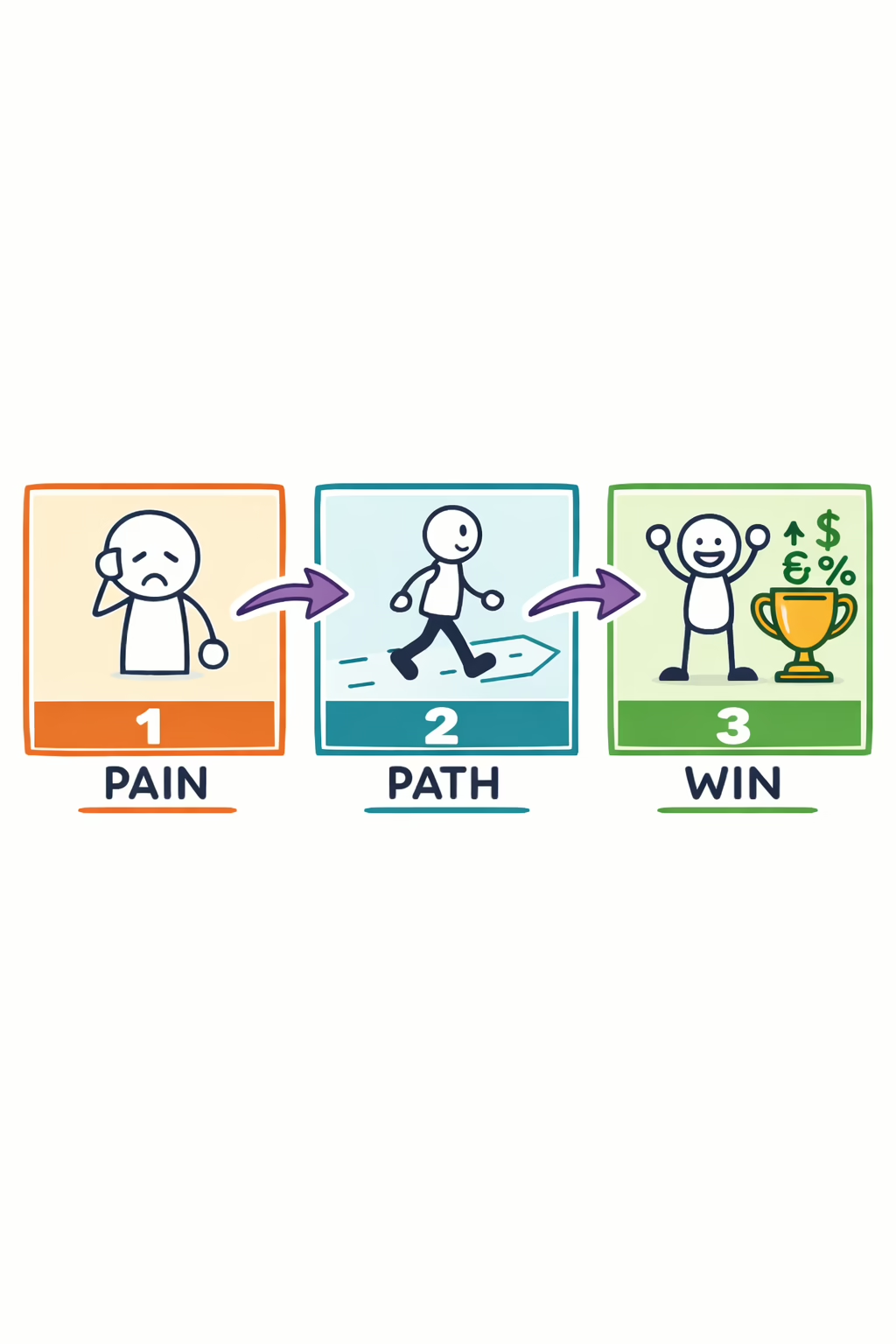
You say: “Great question. Here’s what happened with [client name/type]. Before working together, they [negative situation]. We [action steps]. After [timeframe], they achieved [specific results]. They started exactly where you are now.”
Why it works: The before-and-after structure shows transformation. Emphasizing “they started where you are” creates identification. Specific results prove effectiveness.
Learning proven business growth strategies helps you frame case studies around outcomes that matter most.
Script 4: Proposal Presentation
Setup: You just finished explaining your proposed solution.
You say: “Let me show you this approach in action. [Client type] implemented this exact system. In month one, they [early win]. By month three, they [bigger result]. The total impact was [final outcome]. I’d expect similar results for your business.”
Why it works: This creates a success roadmap. It shows progression over time. It sets realistic expectations while building excitement.
Script 5: Email Follow-Up After the Call
Setup: Sending promised case study after sales call ends.
You write: “Thanks for our conversation today. As promised, here’s the case study about [client type] who faced [problem you discussed]. They achieved [specific result] in [timeframe]. I highlighted the parts most relevant to your situation. Let’s talk [day/time] about how we can create similar results for you.”
Why it works: This reinforces the connection made during the call. It provides details you couldn’t cover verbally. It includes a clear next step.
Key Takeaway: Use structured scripts to present case studies clearly, confidently, and conversationally during sales calls.
Common Mistakes When Using Case Studies in Sales
Even good case studies fail when presented poorly. Avoid these five mistakes to maximize your success rate. I made all of them before figuring out what works.
Mistake 1: Sharing Case Studies Too Early
New salespeople jump straight to case studies. They say “let me tell you what we did” before understanding the prospect. This feels pushy and irrelevant.
Wait until prospects share their situation. Let them talk first. Earn the right to share examples by demonstrating you understand their world.
Think of case studies as medicine. You wouldn’t prescribe without diagnosis. Same principle applies here. Diagnose the problem first, then prescribe the case study.
Mistake 2: Using Generic, One-Size-Fits-All Stories
Some business owners use the same case study for everyone. They memorize one story and repeat it endlessly. This rarely connects with prospects.
Build a library of 5-10 case studies minimum. Each should highlight different industries, problems, or outcomes. Then pick the best match per prospect.
Generic case studies make prospects think “that’s not me.” Specific case studies make them think “that could be me.” Specificity sells.
Mistake 3: Making the Case Study About You
Bad case studies focus on what you did. Good case studies focus on what the client achieved. The difference matters tremendously during sales calls.
Don’t say: “We created an amazing strategy for them.” Say: “They increased revenue by 40% using our strategy.” Put results first, process second.
Prospects care about outcomes, not activities. They buy results, not effort. Frame every case study around client transformation, not your cleverness.
Mistake 4: Lacking Specific Numbers and Details
Vague case studies don’t convince anyone. Saying “they got great results” proves nothing. Numbers create credibility and excitement.
Always include: percentage improvements, dollar amounts, timeframes, and specific metrics. The more concrete, the more convincing. Vagueness breeds skepticism.
If you can’t share exact numbers, use ranges. “Between 30-45% increase” works better than “significant improvement.” Something beats nothing every time.
Understanding social proof principles helps you structure case studies with the right details in the right places.
Mistake 5: Talking for Too Long
Case studies should take 60-90 seconds maximum during calls. Longer than that, and prospects check out mentally. They stop listening and start planning lunch.
Hit the highlights only. Client situation, your solution, their results, timeline. Save the full story for written follow-up materials.
Watch for engagement signals. If prospects lean in or ask questions, you can elaborate. If they look bored, wrap up fast. Read the room always.
Key Takeaway: Avoid these five mistakes to make case studies powerful sales tools instead of conversation killers.
How AI Tools Speed Up Case Study Creation
Creating case studies used to take hours. You’d interview clients, write drafts, edit endlessly, and format everything. AI tools now handle 80% of that work in minutes.
I use AI to build case studies faster without sacrificing quality. Here’s how these tools transform the process. Even small business owners with no team can create professional case studies now.
AI Case Study Generators: What They Do
AI case study tools ask you simple questions. You input client details, challenges, solutions, and results. The AI generates a complete case study in your brand voice.
These tools structure information correctly automatically. They highlight key numbers. They create compelling narratives. They even suggest headlines and formatting.
The AI case study generator at Uplify creates multiple versions per client. You get short versions for calls and detailed versions for proposals.
Creating Multiple Case Study Versions
You need different case study lengths for different purposes. A 60-second verbal summary for calls. A one-page PDF for emails. A detailed web page for your site.
AI tools create all versions from one input session. You answer questions once, and the system generates every format you need. This saves massive time.
I keep three versions of each case study ready: elevator pitch (30 seconds), call version (90 seconds), and detailed write-up (500 words). AI builds all three automatically.
Building Your Case Study Library Fast
Most business owners have 5-10 great client stories. They just never documented them properly. AI tools help extract and organize those stories quickly.
Start with your best three clients. Input their information into an AI case study tool. Generate complete case studies in under 30 minutes total. Then add one case study monthly.
Within six months, you’ll have a powerful library. You’ll have case studies for different industries, problems, and outcomes. Every sales call becomes easier with this arsenal ready.
Combining AI tools for marketing with your case study process creates a complete content system. Case studies become sales tools, blog posts, and social media content.
Personalizing AI-Generated Case Studies
AI creates the foundation, but you add the personality. Review every AI-generated case study before using it. Add specific client quotes. Include unique details the AI missed.
The best approach blends AI efficiency with human touch. Let AI handle structure, grammar, and formatting. You add emotion, personality, and insider details.
Never use AI output verbatim without review. Always fact-check numbers and claims. Always personalize with your voice and style. AI assists, you decide.
Key Takeaway: AI tools slash case study creation time while maintaining quality when used correctly and personalized appropriately.
Step-by-Step Process: How to Use Case Studies in Sales Calls
Here’s your complete roadmap for using case studies in sales calls. Follow these ten steps to close more deals with client success stories.
- Build your case study library first. Create 5-10 case studies before sales calls start. Cover different industries and problems.
- Review prospect information before calls. Check their industry, size, and stated challenges. Pre-select 2-3 relevant case studies.
- Start calls with discovery questions. Let prospects explain their situation completely before mentioning case studies at all.
- Listen for problem-match opportunities. When they describe a challenge you’ve solved, note it mentally for later.
- Introduce case studies after understanding. Say “I worked with someone facing this exact issue” after they finish explaining.
- Present case studies in 60-90 seconds. Share situation, solution, results, and timeline briefly. Don’t ramble or over-explain.
- Use specific numbers and timeframes. Say “40% increase in 90 days” not “significant improvement over time.”
- Connect case study to their situation. Explicitly say “I see similar opportunities for your business” after sharing the example.
- Offer to send detailed version. Promise the full case study in follow-up email. This creates a reason to reconnect.
- Track which case studies close deals. Note which examples work best. Refine your library based on results data.
This process works whether you’re selling services, consulting, or products. The key is systematic preparation and strategic timing. Master both, and case studies become your best sales tool.
Quick Reference: What Are Case Studies in Sales
Case studies in sales are documented client success stories that prove your ability to deliver results. They include specific problems you solved, solutions you provided, and measurable outcomes you achieved. Effective sales case studies match prospect situations, include concrete numbers, and demonstrate clear cause-and-effect relationships between your work and client success. They serve as third-party validation that reduces prospect risk and speeds up buying decisions.
The best sales case studies answer the prospect’s core question: “Can you help someone like me succeed?” When structured correctly and presented at the right moment, case studies transform skeptical prospects into confident buyers by providing proof that your promises are real.
Conclusion and Next Steps
You now know how to use case studies in sales calls effectively. You understand timing, selection, presentation, and common mistakes. You have scripts ready and know how AI speeds up creation.
Start by building your first three case studies this week. Pick your best client results. Use an AI tool to structure them properly. Practice your 60-second presentation versions.
Then test them on your next five sales calls. Pay attention to prospect reactions. Note which case studies generate the most interest. Refine your approach based on real feedback.
Case studies won’t close every sale instantly. But they will increase your close rate significantly. They build trust faster than any other sales tool. They turn your past success into future revenue.
The difference between struggling and thriving often comes down to proof. Stop telling prospects what you can do. Start showing them what you’ve already done. Case studies make that shift possible.
Expert Insight from Kateryna Quinn, Forbes Next 1000:
“I closed my first $50K deal using a simple one-page case study. The prospect kept saying ‘but will this work for me?’ I showed him results from a similar business. He signed that day. Case studies don’t just support your sales process. They are your sales process.”
Ready to build professional case studies in minutes? The AI case study generator walks you through every step. No writing skills required. Just answer questions and get results.
Frequently Asked Questions
What is the best way to use case studies in sales calls?
The best way to use case studies in sales calls is after understanding the prospect’s specific problem. Listen first, then share a relevant example. Keep your presentation to 60-90 seconds maximum. Focus on measurable results and clear timelines. Always connect the case study back to the prospect’s situation. This approach builds trust without overwhelming them with information.
How many case studies should I prepare for sales calls?
Prepare 5-10 case studies covering different industries and challenges. This gives you options for various prospect types. Have 2-3 memorized for instant verbal delivery. Keep the rest in written format for follow-up emails. Quality matters more than quantity. One perfect match outperforms ten generic examples every time during sales conversations.
When should I share a case study during a sales call?
Share case studies after prospects explain their challenges completely. Also use them when handling objections about price or effectiveness. Present them during proposal discussions to reinforce your solution. Never open with case studies before understanding the prospect. Wait for the right moment when relevance is clear to both parties.
What makes a case study effective for sales calls?
Effective sales case studies include specific numbers and measurable outcomes. They match the prospect’s industry or problem closely. They show clear before-and-after transformations. They take 60-90 seconds to present verbally. They answer the question “can you help someone like me?” Good case studies build confidence through concrete proof.
Can AI tools help me create sales case studies faster?
Yes, AI tools dramatically speed up case study creation. They structure information correctly and generate multiple versions automatically. You input client details once and get verbal summaries, email versions, and detailed write-ups. AI handles formatting and organization while you add personal touches. This reduces creation time from hours to minutes per case study.
Resources and Tools
Build your complete case study system with these resources. Each one helps you create, organize, and use case studies more effectively in sales.
The AI sales pitch generator helps you craft compelling introductions before presenting case studies. Strong openings set up case studies for maximum impact.
Learn about business storytelling frameworks to structure case studies that engage and persuade. Good stories stick in prospect minds long after calls end.
Explore sales strategy resources to understand where case studies fit in your complete sales process. Integration matters as much as individual tactics.
The proposal builder helps you include case studies in formal proposals after sales calls. Written reinforcement increases close rates significantly.
Ready to transform your sales results? Start building case studies today. Your next closed deal is waiting in the success stories you’ve already created.

Kateryna Quinn is an award-winning entrepreneur and founder of Uplify, an AI-powered platform helping small business owners scale profitably without burnout. Featured in Forbes (NEXT 1000) and NOCO Style Magazine (30 Under 30), she has transformed hundreds of service-based businesses through her data-driven approach combining business systems with behavior change science. Her immigrant background fuels her mission to democratize business success.