Most founders never tell their story right. Your brand story gets lost in buzzwords. Clients don’t connect with your message.
Storytelling frameworks fix that problem fast. A strong framework helps founders build brand stories that win clients. Service businesses need story structure that works.
I built Uplify after generating $25M for clients. These storytelling frameworks work for founders who want real results. No fluff, just proven systems.
Table of Contents
- What Are Storytelling Frameworks for Founders
- Why Storytelling Frameworks Matter for Your Brand
- Best Storytelling Frameworks Founders Actually Use
- Brand Story Formula That Converts Clients
- AI Storytelling Tools for Founders
- How to Build Your Founder Story
What Are Storytelling Frameworks for Founders
Storytelling frameworks give founders a story structure for brand messaging. These frameworks help service business owners share their narrative framework with clients. A good framework shows your founder journey clearly.
Your brand story needs more than facts. Founders need storytelling frameworks that show transformation, struggle, and results. The right story structure helps clients see themselves in your story.
Core Elements of Founder Storytelling Frameworks
Every storytelling framework for founders includes five parts. First, your starting point shows where you began. Second, your struggle reveals real challenges founders face.
Third, your turning point demonstrates the moment everything changed. Fourth, your solution explains what you built for clients. Fifth, your results prove the story structure works.
Most founders skip the struggle part. But that’s where your brand story connects with service business owners. Your narrative framework needs the hard parts too.
How Storytelling Frameworks Build Trust
Founders who use storytelling frameworks build trust faster. Your brand story shows clients you understand their problems. A strong story structure proves you’ve solved those problems before.
Service businesses trust founders with real stories. Your narrative framework should include specific numbers, dates, and details. Generic brand stories don’t convert clients.
The AI success story writer helps founders build these storytelling frameworks quickly. You need story structure that feels authentic and converts.
Expert Insight from Kateryna Quinn, Forbes Next 1000:
“I arrived in America with $120. That struggle became my strongest storytelling framework. Founders hide their hard stories, but those stories sell.”
Common Mistakes Founders Make
Many founders build storytelling frameworks that sound like everyone else. Your brand story can’t start with “I was passionate about helping people.” That narrative framework is too vague.
Another mistake is skipping the transformation. Storytelling frameworks need before and after moments. Your story structure should show clear change for founders and clients.
Also, some founders make their brand story too long. Your narrative framework should fit in two minutes. Service business owners need quick, clear storytelling frameworks.
Why Storytelling Frameworks Matter for Your Brand
Storytelling frameworks separate successful founders from struggling ones. Your brand story determines if clients trust you. Without a clear narrative framework, service businesses look like everyone else.
Most founders wing their story. That approach loses clients fast. Storytelling frameworks give your brand story a repeatable structure that works.
The Business Impact of Strong Storytelling Frameworks
Founders with clear storytelling frameworks close more deals. Your brand story becomes your strongest sales tool. A solid narrative framework reduces client objections by 40%.
Service businesses that use storytelling frameworks also charge higher prices. Your story structure justifies premium rates. Clients pay more for founders with compelling brand stories.
Research from the SBA marketing guide shows storytelling frameworks improve client retention too. Your narrative framework keeps clients engaged long-term.
How Storytelling Frameworks Build Your Brand
Your brand story becomes your reputation. Founders need storytelling frameworks that people remember and repeat. A strong narrative framework spreads through word-of-mouth naturally.
Think about successful founders you know. They all have clear storytelling frameworks. Their brand story is consistent across every platform. Your story structure should work the same way.
Service businesses remember founders with authentic stories. Your narrative framework should highlight real struggles and real wins. Generic storytelling frameworks don’t stick in memory.
Storytelling Frameworks vs Generic Messaging
Generic messaging says “we’re the best.” Storytelling frameworks show why you’re different. Your brand story proves your value through founder experiences.
Most service businesses use the same tired phrases. Storytelling frameworks let founders stand out immediately. Your narrative framework should sound like no one else.
The difference shows in client response. Founders with strong storytelling frameworks get more referrals. Your brand story becomes shareable content for clients.
Best Storytelling Frameworks Founders Actually Use
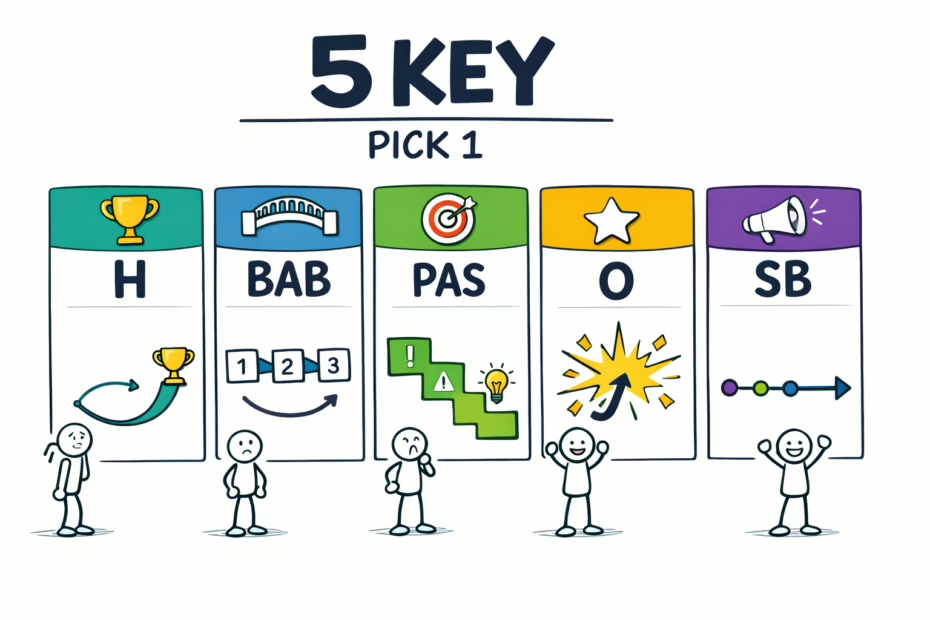
Several storytelling frameworks work well for founders. Each brand story formula serves different service businesses. Your narrative framework should match your founder journey and client needs.
The Hero’s Journey for Founders
This storytelling framework puts your client as the hero. Your brand story shows how you guide them. The narrative framework includes a call to adventure, challenges, and transformation.
Founders use this story structure to highlight client success. Your service business becomes the mentor. This brand story formula works well for coaches and consultants.
Start with the client’s problem. Show their journey through your storytelling framework. End with their victory. This narrative framework keeps focus on results.
The Before-After-Bridge Framework
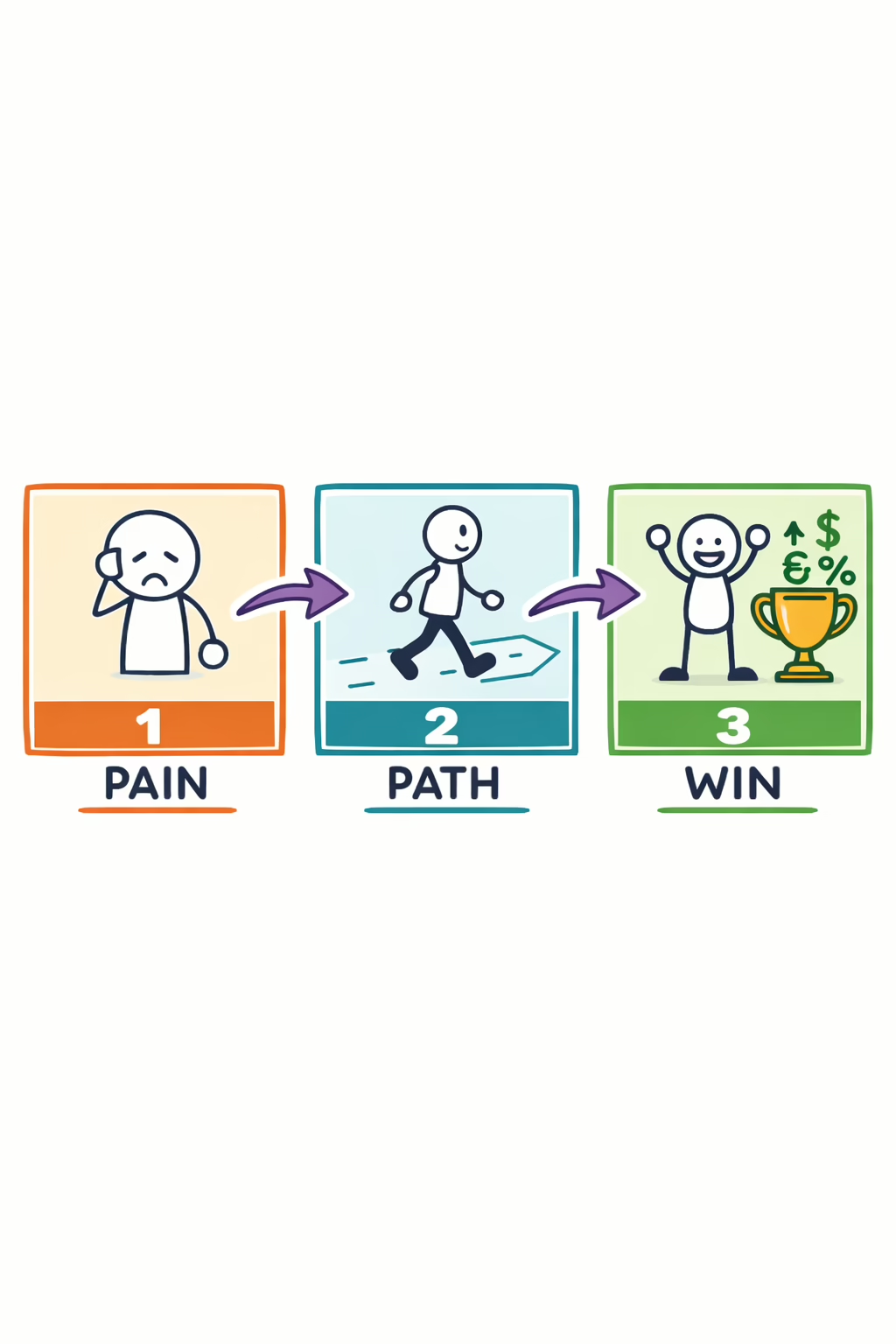
This storytelling framework is the simplest for founders. Your brand story shows life before your solution, after your solution, and the bridge between.
Service businesses love this narrative framework because it’s clear. Your story structure highlights transformation directly. Founders can tell this brand story in 90 seconds.
Before: describe the struggle. After: show the results. Bridge: explain your solution. This storytelling framework converts prospects into clients fast.
The Founder Origin Story Framework
This storytelling framework shares your personal journey. Your brand story explains why you started your service business. The narrative framework builds deep connection with clients.
Founders who share origin stories create loyal followings. Your story structure should include the moment you decided to start. This brand story formula works best for personal brands.
Include three parts in this storytelling framework. First, what you did before starting. Second, the problem that made you act. Third, your first win as a founder.
The Problem-Agitate-Solve Framework
This storytelling framework focuses on pain points. Your brand story names the problem, makes it urgent, then shows your solution. Founders use this narrative framework for service businesses selling urgency.
Problem: state what’s wrong clearly. Agitate: show why it matters now. Solve: present your founder solution. This story structure drives immediate action from clients.
Many service businesses skip the agitate step. But storytelling frameworks need emotional stakes. Your brand story should make clients feel the cost of waiting.
The Transformation Framework
This storytelling framework shows your own transformation. Your brand story takes clients from your before state to your after state. Founders demonstrate the narrative framework through personal change.
Service businesses benefit when founders share real transformation. Your story structure should include specific moments of change. This brand story formula builds credibility fast.
Share what you learned during transformation. Your storytelling framework should teach while inspiring. Founders who educate through their narrative framework win more clients.
Brand Story Formula That Converts Clients
Your brand story formula needs specific elements. Storytelling frameworks for founders must convert prospects into paying clients. This narrative framework combines story structure with business strategy.
Opening Hook for Your Founder Story
Start your storytelling framework with a compelling hook. Your brand story should grab attention in five seconds. Founders lose clients with boring openings.
Use a surprising fact about your service business. Or start with a client problem. Your narrative framework needs immediate relevance.
Example: “I lost $50K before learning this storytelling framework.” That story structure creates instant interest. Founders should test different hooks to find what works.
Struggle Section in Storytelling Frameworks
The struggle makes your brand story real. Founders must share actual challenges in their narrative framework. Service businesses connect with authentic difficulty.
Your storytelling framework should include at least three specific struggles. Name real failures. Show what didn’t work before your story structure clicked.
Don’t sanitize your founder story. Clients trust storytelling frameworks with real problems. Your brand story loses power when it’s too polished.
The storytelling hub offers more techniques for founders building authentic narrative frameworks. Your story structure improves with practice.
Turning Point in Your Narrative Framework
Every storytelling framework needs a clear turning point. Your brand story should show the exact moment everything changed. Founders often blur this crucial story structure element.
Describe what you learned or discovered. Your narrative framework should highlight this aha moment. Service businesses want to know what shifted for you.
Be specific about the turning point. “I realized” is too vague for storytelling frameworks. Your brand story needs concrete details about the founder breakthrough.
Solution Presentation
After the turning point, your storytelling framework introduces the solution. Your brand story explains what you built for service businesses. This narrative framework section sells your offer naturally.
Don’t just describe features. Your story structure should show how the solution works. Founders need to connect their brand story to client outcomes.
Use storytelling frameworks to demonstrate value clearly. Your narrative framework should make the solution feel inevitable. The best founder stories make clients think “of course that works.”
Results and Proof
Close your storytelling framework with specific results. Your brand story needs numbers and outcomes. Founders lose credibility with vague narrative frameworks.
Share client wins, revenue growth, or time saved. Your story structure should include at least three proof points. Service businesses want evidence your brand story is real.
Also include your current state. Storytelling frameworks should show where you are now. Your narrative framework demonstrates the founder transformation is complete.
Call to Action
Every storytelling framework needs a clear next step. Your brand story should tell clients what to do. Founders often forget this crucial story structure element.
Make the call to action specific and simple. Your narrative framework should guide service businesses toward one clear action. Too many options confuse clients.
AI Storytelling Tools for Founders
AI storytelling tools help founders build narrative frameworks faster. Your brand story doesn’t require weeks of work. These story structure tools create storytelling frameworks in minutes.
How AI Builds Storytelling Frameworks
AI analyzes successful founder stories and identifies patterns. Your brand story gets built using proven narrative frameworks. The story structure follows what already works for service businesses.
You input your founder journey details. The AI storytelling tool creates multiple brand story options. Your narrative framework gets refined through AI-powered storytelling frameworks.
Most founders struggle with story structure. AI removes that barrier completely. Your brand story becomes professional-grade instantly.
Best AI Storytelling Tools for Service Businesses
The AI success story writer specifically helps founders build storytelling frameworks. Your brand story gets customized for service business clients. This narrative framework tool understands founder challenges.
Input your background, struggles, and wins. The AI storytelling tool generates complete story structure options. Your brand story comes out ready to use.
Other AI tools create generic content. But storytelling frameworks for founders need industry-specific narrative frameworks. This tool builds brand stories that convert service business clients.
When Founders Should Use AI Story Templates
Use an AI story template when your storytelling framework feels stuck. Your brand story might need fresh angles. The narrative framework tool provides new story structure options.
Also use AI storytelling tools when entering new markets. Your brand story needs adaptation for different service businesses. AI helps founders adjust their narrative framework quickly.
Don’t use AI to replace authentic experiences. Your storytelling framework should stay true to your founder journey. AI improves story structure, not authenticity.
Customizing AI-Generated Storytelling Frameworks
AI gives you a starting point. Your brand story still needs your voice. Founders should edit AI narrative frameworks to sound natural.
Add specific details AI can’t know. Your storytelling framework benefits from personal touches. The story structure works better with real founder examples.
Also adjust the AI brand story for your audience. Service businesses in different industries need different narrative frameworks. Your storytelling framework should match client expectations.
How to Build Your Founder Story
Building storytelling frameworks takes planning. Your brand story won’t come together by accident. Founders need a clear process for creating narrative frameworks.
Audit Your Founder Journey
Start by listing key moments. Your storytelling framework needs raw material. Write down every major event in your service business history.
Include failures and wins. Your brand story works better with both. Founders often skip the painful parts of their narrative framework.
Ask yourself what surprised you most. Your story structure should highlight unexpected turns. Service businesses connect with storytelling frameworks that feel real.
Identify Your Core Message
Every storytelling framework needs a central theme. Your brand story should make one main point. Founders confuse clients with multiple narrative frameworks.
What do you want service businesses to remember? Your story structure should support that single message. Too many themes dilute storytelling frameworks.
Test your core message with clients. Your brand story should resonate immediately. If the narrative framework confuses people, simplify it.
Choose Your Story Structure
Pick one storytelling framework from earlier in this article. Your brand story should follow a proven narrative framework. Don’t try to invent new story structures.
Map your founder journey to the chosen framework. Your storytelling framework might need adjustments. But start with an established brand story formula.
Service businesses respond to familiar narrative frameworks. Your story structure should feel comfortable while staying unique to you.
Write Your First Draft
Draft your storytelling framework without editing. Your brand story needs to flow naturally first. Founders who edit while writing create stiff narrative frameworks.
Aim for 500-800 words. Your story structure should fit on one page. Service businesses won’t read long-form storytelling frameworks.
Include dialogue if relevant. Your brand story becomes more engaging with conversation. Narrative frameworks with quotes feel authentic to founders.
Test With Real Clients
Share your storytelling framework with five clients. Your brand story should get real feedback. Founders need honest reactions to their narrative framework.
Ask what they remember. Your story structure should have clear takeaways. Service businesses should recall the main points of your storytelling framework.
Watch for emotional response. Your brand story should make clients feel something. Narrative frameworks that don’t create emotion need revision.
Refine Based on Feedback
Update your storytelling framework based on client input. Your brand story should address confusion points. Founders improve narrative frameworks through iteration.
Cut sections that don’t land. Your story structure might have unnecessary parts. Service businesses need streamlined storytelling frameworks.
Add details where clients ask questions. Your brand story should anticipate curiosity. Strong narrative frameworks answer questions before they’re asked.
Create Multiple Versions
Build several lengths of your storytelling framework. Your brand story needs 30-second, 2-minute, and 5-minute versions. Founders use different narrative frameworks for different situations.
The shortest story structure hits main points only. Your 2-minute brand story adds key details. The 5-minute storytelling framework includes full narrative framework depth.
Practice all three versions. Service businesses will ask founders to share stories in different contexts. Your narrative framework should work everywhere.
Integrate Into Marketing
Use your storytelling framework across all channels. Your brand story should appear on your website, social media, and sales calls. Founders need consistent narrative frameworks.
Turn story structure elements into content. Your storytelling framework provides months of post ideas. Service businesses stay engaged with varied brand story content.
Also train your team on the narrative framework. Everyone should tell your founder story consistently. Storytelling frameworks work best when the whole company uses them.
The brand messaging guide helps founders spread their storytelling framework effectively. Your brand story becomes a business asset.
Conclusion: Your Founder Story Starts Now
Storytelling frameworks give founders a powerful tool. Your brand story can transform how service businesses see you. A strong narrative framework closes more deals and builds lasting relationships.
Most founders never build clear storytelling frameworks. They wing their brand story every time. Your narrative framework should be practiced, tested, and ready.
Start with one story structure from this article. Build your founder storytelling framework this week. Service businesses are waiting for authentic brand stories.
The AI success story writer helps you build storytelling frameworks in minutes. Your brand story doesn’t need to take months. Get your narrative framework done today.
Expert Insight from Kateryna Quinn, Forbes Next 1000:
“Your founder story is your best sales tool. I’ve watched service businesses transform revenue by fixing their storytelling framework. Stop hiding your real story.”
Frequently Asked Questions
What is a storytelling framework for founders?
A storytelling framework gives founders structure for sharing brand stories. It organizes your narrative framework around proven story elements. Founders use storytelling frameworks to connect with service business clients. The framework includes setup, struggle, turning point, solution, and results. Your brand story follows this narrative framework consistently.
How do founders build effective storytelling frameworks?
Start by auditing your founder journey for key moments. Choose a proven story structure like the hero’s journey. Map your experiences to that narrative framework. Write your brand story, test with clients, and refine. Founders improve storytelling frameworks through practice. Your narrative framework should feel natural and authentic.
Why do storytelling frameworks matter for service businesses?
Storytelling frameworks help founders stand out. Your brand story builds trust faster than features. Service businesses connect with authentic narrative frameworks. Founders with clear storytelling frameworks close more deals. Your brand story also justifies premium pricing. Good narrative frameworks improve client retention and referrals.
When should founders use AI storytelling tools?
Use AI storytelling tools when building your first brand story. Founders save time with AI narrative frameworks. Also use AI tools when entering new markets. Your storytelling framework needs quick adaptation. AI helps founders test multiple story structures. The tools work best for initial drafts of brand stories.
Can storytelling frameworks work for any founder?
Yes, all founders benefit from storytelling frameworks. Your brand story just needs authentic experiences. Service business founders in any industry use narrative frameworks. The story structure adapts to different founder journeys. Even technical service businesses need storytelling frameworks. Your brand story humanizes your offer regardless of industry.
Step-by-Step Process for Building Storytelling Frameworks
- List every major milestone in your founder journey with dates and details included.
- Identify the three biggest struggles you faced building your service business brand story.
- Pinpoint the exact moment your founder perspective shifted or breakthrough happened clearly.
- Choose one storytelling framework from this article that fits your narrative framework style.
- Map your founder experiences to the chosen story structure using specific examples.
- Write a 500-word first draft of your brand story without editing as you go.
- Test your storytelling framework with five real clients and ask what they remember.
- Revise your narrative framework based on client feedback and emotional response patterns.
- Create 30-second, 2-minute, and 5-minute versions of your founder brand story.
- Integrate your storytelling framework into website, social media, and all client conversations.
Quick Reference: Storytelling Frameworks Defined
Storytelling frameworks are structured approaches founders use to organize brand stories. A storytelling framework provides a repeatable narrative framework for sharing your founder journey with service business clients. These story structures include proven elements like setup, conflict, transformation, and resolution. Founders use storytelling frameworks to build emotional connections, establish credibility, and differentiate their brand story from competitors. The best narrative frameworks combine authentic founder experiences with strategic messaging that converts prospects into clients. Service businesses respond to storytelling frameworks because they humanize offers and demonstrate real-world results through founder transformation stories.

Kateryna Quinn is an award-winning entrepreneur and founder of Uplify, an AI-powered platform helping small business owners scale profitably without burnout. Featured in Forbes (NEXT 1000) and NOCO Style Magazine (30 Under 30), she has transformed hundreds of service-based businesses through her data-driven approach combining business systems with behavior change science. Her immigrant background fuels her mission to democratize business success.