Your business needs trust to close sales. Social proof types give you that trust fast. Every small business owner faces the same problem: people don’t know if they should believe you.
I built a marketing agency that generated $25M in client revenue. Social proof was the fastest way to prove value. The right types of social proof turn skeptics into buyers in minutes.
This guide shows you every social proof type that works. You’ll learn which types fit your business best. You’ll see real examples from service businesses like yours. You’ll know exactly how to collect and display social proof that closes sales.
Table of Contents
- What Is Social Proof for Business
- Customer Testimonials: The Foundation of Business Trust
- Case Studies and Success Stories That Prove Results
- Reviews and Ratings as Social Proof
- Expert Endorsements and Industry Recognition
- User-Generated Content and Social Media Proof
- Trust Badges and Certifications
- Social Media Metrics and Follower Counts
- How to Implement Social Proof in Your Business
What Is Social Proof for Business
Social proof shows that other people trust your business. It’s evidence that real customers got real results. Every type of social proof tells prospects they’re making a smart choice.
Your business loses sales without social proof. Prospects need to see that others succeeded before them. Social proof types range from simple testimonials to detailed case studies.
The psychology behind social proof is simple. People trust what other people already validated. When prospects see social proof, they feel safer buying from your business.
Why Social Proof Types Matter for Service Businesses
Service businesses sell invisible products. Prospects can’t touch or test your service before buying. Social proof becomes your only way to show value upfront.
Different types of social proof work for different business stages. New businesses need basic testimonials to start. Established businesses can use case studies and expert endorsements.
The SBA marketing guide for small business confirms that social proof directly impacts conversion rates. Your business needs multiple social proof types to reach different customer segments.
The Six Main Social Proof Categories
Social proof categories organize how you show trust. Each category serves a different purpose in your business marketing strategy.
Customer social proof includes testimonials, reviews, and ratings. Expert social proof comes from industry leaders and certifications. Wisdom of the crowd shows how many people already chose you.
Wisdom of friends involves referrals and word-of-mouth marketing. Celebrity social proof uses influencer endorsements. Certification social proof displays badges and awards your business earned.
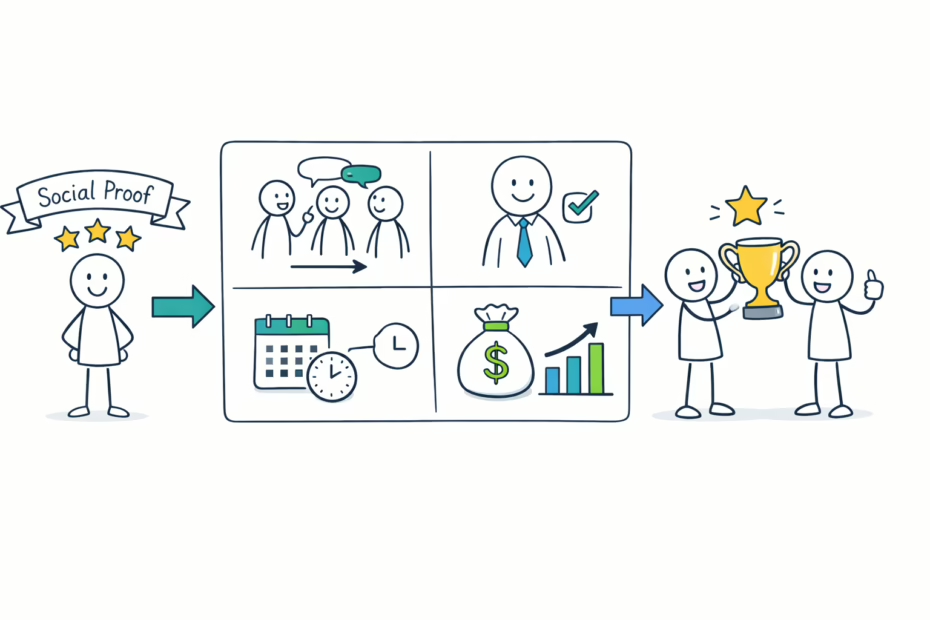
Most service businesses need at least three types of social proof. Mix customer testimonials with expert endorsements and trust badges. This combination builds credibility across all prospect types.
Customer Testimonials: The Foundation of Business Trust
Customer testimonials are the most common social proof type. They’re direct quotes from real clients about your business. Every service business should collect testimonials from day one.
Good testimonials mention specific results. Bad testimonials say generic praise like “great service.” Your business needs testimonials that describe the problem, solution, and outcome.
The best testimonial types show transformation. Before-and-after stories work incredibly well for service businesses. Prospects want to see themselves in your customer’s journey.
Written Testimonials That Convert
Written testimonials work on every marketing channel. You can use them on your website, social media, and sales materials. They’re easy to collect and display.
Ask customers for testimonials right after they get results. Send a simple email with three specific questions. What problem did you have? How did our business help? What results did you get?
Format testimonials with the customer’s name, photo, and business. This adds authenticity to your social proof. Generic testimonials without attribution look fake to prospects.
Video Testimonials for Maximum Impact
Video testimonials are the strongest social proof type. Prospects can see and hear real emotion from your customers. Video social proof converts better than written testimonials in most industries.
Keep video testimonials short—under 90 seconds. Ask customers to share their story naturally. Don’t script the testimonial word-for-word or it sounds fake.
Post video testimonials on your website homepage. Also share them on social media platforms. Use the AI review generator to help customers outline their thoughts before recording.
Audio Testimonials for Service Businesses
Audio testimonials work well for coaching and consulting businesses. Record customer feedback during or after service calls. These testimonial types feel authentic because they capture real reactions.
Ask permission before recording testimonials. Get written consent to use customer audio in marketing. Most customers are happy to help if they got great results.
Embed audio testimonials on service pages. They work especially well for high-ticket offerings. Prospects hear genuine excitement from your satisfied customers.
Case Studies and Success Stories That Prove Results
Case studies are detailed social proof types that show your process. They walk prospects through how you solve problems for customers. Every business selling complex services needs case studies.
A strong case study follows a simple structure. Start with the customer’s problem. Describe your solution and process. End with specific, measurable results.
Case studies work better than testimonials for B2B businesses. They give prospects the detail they need to justify buying. This social proof type addresses objections before they come up.
How to Create Compelling Business Case Studies
Choose customers who got exceptional results. Reach out and ask if they’ll participate in a case study. Most successful customers are happy to be featured.
Interview the customer about their journey. Ask about their situation before working with you. Document the specific steps you took. Measure the results in numbers whenever possible.
Write the case study in story format. Use the customer’s voice throughout. Include quotes and specific details that make the story real.
The Entrepreneur guide to business case studies shows how top companies structure their success stories. Follow proven frameworks to create social proof that converts.
Success Story Formats That Work
Written case studies should be 500-1000 words. Include customer photos and charts showing results. Break up text with subheadings for easy scanning.
Video case studies create even stronger social proof. Record an interview with the customer. Show before-and-after visuals if possible.
Create different case study lengths for different uses. Long-form case studies go on your website. Short success stories work in email marketing. Social media posts need bite-sized case study snippets.
Where to Display Case Studies
Create a dedicated case studies page on your website. Link to it from your navigation menu. This makes social proof easy for prospects to find.
Feature relevant case studies on service pages. If you offer three services, show case studies for each. Match the social proof type to what prospects are considering.
Use case studies in your sales process. Send them to prospects who are close to buying. This social proof type often closes deals that testimonials can’t.
Expert Insight from Kateryna Quinn, Forbes Next 1000:
“I generated $25M for my agency clients using case studies as the main social proof type. Prospects need to see exactly how you solve their specific problem. Generic testimonials don’t cut it for complex services.”
Reviews and Ratings as Social Proof
Online reviews are critical social proof types for local businesses. Prospects check Google reviews before contacting you. Your review profile directly impacts how many leads you get.
Star ratings provide quick visual social proof. A 4.8-star average with 50+ reviews beats a 5.0 rating with three reviews. Volume and consistency matter more than perfection.
Every service business needs a system to collect reviews. Don’t wait for customers to leave them naturally. Ask for reviews as part of your business process.
Google Business Profile Reviews
Google reviews appear in local search results. They’re the first social proof type prospects see. Your Google rating impacts whether people even visit your website.
Ask happy customers to leave Google reviews immediately after service. Send them a direct link to your review page. Make the process as easy as possible.
Respond to every review—positive and negative. This shows prospects that your business cares about customers. Public responses become additional social proof.
Industry-Specific Review Platforms
Different industries have different review platforms. Restaurants need Yelp reviews. Home service businesses need Angi reviews. Find the platforms your customers use.
Claim and optimize your profiles on relevant platforms. Complete all business information. Upload photos and respond to existing reviews.
Build review collection into your business workflow. Send automated review requests after project completion. The AI review tool helps customers write detailed reviews quickly.
Website Review Widgets and Badges
Display review social proof on your website. Use widgets that show real-time reviews from Google or other platforms. This proves your ratings are legitimate.
Add review badges to your footer or sidebar. These trust badges reinforce social proof throughout your site. Prospects see consistent evidence that others trust you.
Feature top reviews on your homepage. Pull the best customer feedback and display it prominently. Combine star ratings with testimonial quotes for maximum impact.
Expert Endorsements and Industry Recognition
Expert social proof comes from authorities in your industry. When respected people endorse your business, it transfers their credibility to you. This social proof type works especially well for new businesses.
Industry awards and recognitions serve as powerful social proof. Forbes recognition, Inc. 5000 status, or local business awards all boost trust. Prospects assume award-winning businesses deliver better service.
Partner logos and associations create instant credibility. Display logos of companies you work with or organizations you belong to. This social proof type shows you’re part of the professional community.
How to Earn Expert Endorsements
Build relationships with industry experts and influencers. Comment on their content. Share their work. Provide value before asking for endorsements.
Create content that showcases your expertise. Publish case studies, blog posts, and thought leadership. The social proof marketing hub shows how to position your business as an authority.
Ask experts for testimonials after you prove your value. Send them your best work. Make it easy by suggesting what they might say.
Media Mentions and Press Coverage
Media coverage is excellent social proof for service businesses. Local news features, podcast interviews, and industry publications all count. These endorsement types show mainstream validation.
Pitch your business story to relevant media outlets. Focus on what makes your approach unique. Local media especially loves stories about community businesses.
Create a media page on your website. Display all press mentions and logos. Link to full articles when possible. This social proof type compounds over time.
Professional Certifications and Credentials
Certifications prove your business has verified expertise. Industry-specific credentials matter more than generic certificates. Display only certifications your target customers recognize.
Keep certifications current and prominently displayed. Add them to your website header or about page. Include credential initials in staff bios.
According to Forbes research on trust building, professional certifications increase perceived business value by up to 40%. These social proof types justify premium pricing.
User-Generated Content and Social Media Proof
User-generated content is social proof created by customers themselves. Photos, videos, and posts about your business build authentic trust. This social proof type costs nothing and converts incredibly well.
Social media tags and mentions amplify your reach. When customers post about your business, their followers see it. This creates new awareness and social proof simultaneously.
Every service business should encourage customers to share experiences. Make it easy and fun. Give them reasons to post about your business.
Customer Photos and Videos
Ask customers to share photos of results. Before-and-after pictures work especially well for transformation businesses. These visual social proof types show real outcomes.
Create a branded hashtag for your business. Ask customers to use it when posting. Collect user-generated content in one place for easy finding.
Repost customer content on your business social media. Always credit the original poster. This encourages more customers to share their experiences.
Social Media Engagement as Proof
High engagement rates signal business popularity. Comments, shares, and likes all serve as social proof. Active social media profiles show your business is thriving.
Post consistently to build engagement. Share valuable content that helps your audience. The AI social media planner helps maintain consistent posting schedules.
Feature customer comments and interactions. Screenshot positive exchanges and share them. This turns everyday engagement into powerful social proof.
Customer Success Tags and Mentions
Monitor social media for brand mentions. Respond to every tag and mention quickly. Positive engagement reinforces the social proof these posts create.
Share customer success posts on your business page. Add context about what made the customer happy. This turns one piece of social proof into multiple touchpoints.
Create campaigns that encourage tagging. Run contests or features for customers who post about you. Make sharing about your business rewarding for customers.
Trust Badges and Certifications
Trust badges are visual social proof elements. They include security seals, payment badges, and industry certifications. These small images create instant credibility.
Payment processor logos like PayPal or Stripe serve as trust badges. They tell prospects your business meets security standards. This social proof type especially matters for online transactions.
Industry association badges show professional membership. BBB accreditation, chamber of commerce membership, and trade organization logos all count. Display them where prospects make decisions.
Security and Privacy Badges
Security badges prove your business protects customer data. SSL certificates, PCI compliance, and privacy policy badges all matter. This social proof type reduces anxiety about sharing information.
Display security badges on forms and checkout pages. Put them near where prospects enter personal details. Visual social proof at decision points increases conversion rates.
Keep all security badges current and clickable. Link to verification pages when possible. This proves your badges are real, not fake social proof.
Money-Back Guarantees and Warranties
Guarantees are powerful social proof types. They show confidence in your business results. Strong guarantee policies reduce perceived risk for prospects.
Display your guarantee prominently on service pages. Use bold text and trust badge styling. Make the terms clear and simple to understand.
Feature satisfied customers who used your guarantee. Show that you honor your promises. This transforms a policy into active social proof.
Partnership and Vendor Logos
Display logos of companies you work with. If you serve well-known businesses, show their logos. This social proof type transfers their brand trust to you.
Get written permission before displaying partner logos. Most businesses are happy to allow it. Create a partners section on your website.
Update partnership logos regularly. Remove outdated relationships. Current social proof always converts better than old references.
Social Media Metrics and Follower Counts
Follower counts serve as social proof of popularity. Large followings suggest your business offers value. This social proof type matters most for younger audiences.
Engagement rates matter more than raw follower counts. Ten thousand engaged followers beat 100,000 inactive ones. Focus on building real community around your business.
Display social media counters on your website. Show follower numbers for Instagram, Facebook, or LinkedIn. This social proof type creates fear of missing out.
Building Legitimate Social Following
Never buy followers or fake engagement. Artificial social proof backfires when prospects investigate. Build real followers through consistent value.
Post content that serves your target customers. Answer questions, share insights, and show behind-the-scenes content. Authentic business social media attracts genuine followers.
Engage with your audience consistently. Respond to comments and messages quickly. Active engagement turns followers into social proof advocates.
Social Proof Widgets and Counters
Add social media widgets to your website. Display recent posts and follower counts. This keeps social proof fresh and current.
Place social counters in your website sidebar or footer. Make them visible without being distracting. Let prospects discover this social proof naturally.
Update social metrics regularly. Outdated follower counts hurt credibility. Automated widgets solve this problem for busy business owners.
Influencer Collaborations
Work with micro-influencers in your industry. Their endorsement creates social proof with their audience. This strategy works well for local service businesses.
Choose influencers whose followers match your target customers. Authenticity matters more than follower count. Real recommendations from trusted sources convert best.
Document influencer partnerships and share them. Create content together. These collaborations become long-term social proof assets for your business.
How to Implement Social Proof in Your Business
Start collecting social proof today. Every customer interaction is an opportunity. Build social proof collection into your business systems.
Choose 2-3 social proof types to focus on first. Don’t try to implement everything at once. Master testimonials and reviews before adding complex case studies.
Create a social proof library for your business. Store all testimonials, reviews, and case studies in one place. Organize by service type and customer industry.
Building a Social Proof Collection System
Set reminders to request social proof after project completion. Send a simple email asking for feedback. Include direct links to review platforms.
Make giving social proof easy for customers. Provide templates or guiding questions. The less work customers do, the more social proof you collect.
Track which social proof types convert best. Test different formats on your website. Double down on whatever social proof drives the most sales.
Displaying Social Proof Effectively
Place social proof near calls-to-action. Show testimonials right before contact forms. Display reviews on pricing pages.
Match social proof types to buyer journey stages. New visitors need quick trust badges. Serious prospects need detailed case studies.
Rotate social proof regularly. Fresh testimonials and reviews perform better. Update your business website with new social proof monthly.
Measuring Social Proof Impact
Track conversion rates before and after adding social proof. Measure which pages benefit most. This data guides future social proof strategy.
Monitor how different social proof types perform. Video testimonials might convert better than written ones. Test and optimize based on results.
Survey customers about what social proof influenced their decision. This insight helps you prioritize collection efforts. Focus on social proof types that actually close sales.
Expert Insight from Kateryna Quinn, Forbes Next 1000:
“Most businesses collect random testimonials. Winners build social proof systems. I used five social proof types strategically across my agency’s buyer journey. That systematic approach helped generate $25M in client revenue.”
Your Social Proof Action Plan
You now know every social proof type that matters. Your business needs multiple forms of social proof. Start with customer testimonials and online reviews today.
Build social proof collection into your business process. Ask every satisfied customer for feedback. Create systems that make collecting social proof automatic.
Display social proof strategically across your marketing. Match the right social proof type to each customer touchpoint. Test different formats and track what converts best.
The AI review generator tool helps you collect better social proof faster. It guides customers through creating detailed testimonials. Try it free to jumpstart your social proof strategy today.
Frequently Asked Questions
What are the most effective types of social proof for small business?
Customer testimonials and online reviews are the most effective social proof types. They’re easy to collect and display. Video testimonials convert even better than written ones. Most service businesses should focus on these social proof categories first. Add case studies once you have 10+ testimonials collected.
How many types of social proof should my business use?
Your business should use at least three types of social proof. Combine customer testimonials with expert endorsements and trust badges. Different social proof types appeal to different customer segments. More variety increases overall conversion rates across your entire business.
Where should I display social proof on my website?
Display social proof near decision points. Put testimonials above contact forms. Show reviews on service pages. Feature trust badges in your website footer. The homepage needs social proof in the first screen. Match social proof types to what prospects need at each stage.
How do I collect more social proof for my business?
Ask for social proof immediately after delivering results. Send automated emails requesting reviews. Make the process simple with direct links. Offer to help customers draft testimonials. The content strategy guide shows how to integrate social proof collection into business systems.
Can I use social proof if I’m a new business?
Yes, new businesses can build social proof quickly. Start with beta customer testimonials. Ask friends and family who used your service. Display any certifications or credentials you have. Show behind-the-scenes content on social media. These social proof types work while you build your customer base.
Step-by-Step Social Proof Implementation Process
- Audit your current social proof. List all testimonials, reviews, and case studies you already have.
- Choose three social proof types to prioritize. Focus on testimonials, reviews, and one other type that fits your business.
- Create templates for collecting social proof. Write email scripts and questions for customers to answer.
- Set up automated social proof requests. Send them immediately after project completion or service delivery.
- Build a social proof library. Store all customer feedback in one organized location for easy access.
- Design social proof displays for your website. Create sections for testimonials on key pages.
- Add trust badges to your website footer. Display security badges, certifications, and payment processor logos.
- Launch a review collection campaign. Email past customers asking for Google reviews and platform-specific ratings.
- Create your first detailed case study. Interview a successful customer and document their transformation story.
- Track social proof performance. Measure conversion rates on pages with and without different social proof types.
Quick Reference: Types of Social Proof Definition
Types of social proof are different forms of evidence showing that other people trust your business. The main social proof types include customer testimonials, case studies, online reviews, expert endorsements, user-generated content, trust badges, and social media metrics. Each social proof type serves a specific purpose in building business credibility. Service businesses need multiple types of social proof to reach different customer segments. The most effective business strategy combines 3-5 social proof types across the customer journey.

Kateryna Quinn is the founder and CEO of Uplify AI, an AI-powered business strategist that helps service-based, brick-and-mortar small business owners increase profitability and reclaim their time. She also founded ASTASH, an award-winning full-service digital marketing agency specializing in SEO, Google Ads, branding, logo design, and website development, based in Northern Colorado. A Ukrainian immigrant who came to the United States at 17, Quinn has generated more than $25 million in organic revenue for her agency clients. She is a Forbes NEXT 1000 honoree and was named to NOCO Style Magazine’s 30 Under 30.