Your service business transformation stories sell better than any sales pitch. But most business owners tell transformation stories wrong. They skip the emotional journey clients care about most.
Transformation stories show real results your business creates for real clients. So, these stories build trust fast. Also, transformation stories make prospects see themselves in your client results.
I built a marketing agency that generated over $25M in client revenue. Also, I was named to Forbes NEXT 1000. Every transformation story I wrote followed the same proven results framework.
Table of Contents
- What Are Transformation Stories and Why They Drive Results
- The Before After Results Framework That Sells
- How to Write Transformation Stories That Convert Prospects
- Client Transformation Examples From Service Business Owners
- AI Success Story Tools That Speed Up Your Results
- Frequently Asked Questions
What Are Transformation Stories and Why They Drive Results
Transformation stories document the complete journey from client struggle to client success. So, these stories show your service business results through real client transformation examples. Also, transformation stories prove your business delivers measurable results.
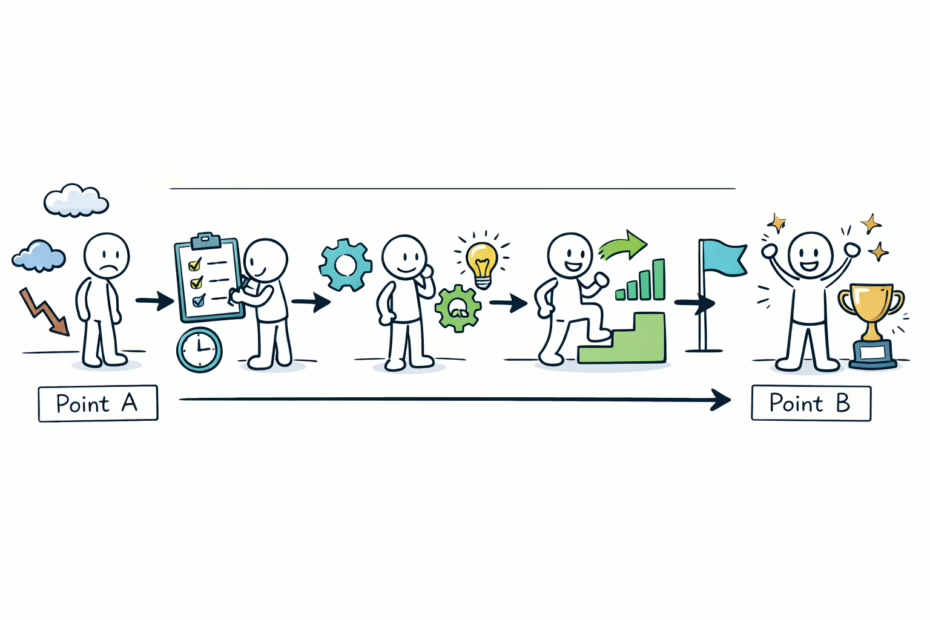
Your transformation stories need three core elements to drive results. First, the before state shows client pain. Second, the transformation process shows your service business work. Third, the after results show measurable client success.
Service business owners waste time on generic success stories. But transformation stories show the emotional journey prospects relate to most. Also, these stories build trust faster than any other marketing content.
Why Transformation Stories Beat Traditional Case Studies
Traditional case studies focus on process over results. But transformation stories lead with client results first. So, prospects see themselves in your transformation stories immediately.
Your service business needs transformation stories that show real before after results. Also, these stories need specific numbers and specific timeframes. Then, prospects trust your service business delivers real results.
Most business owners skip the emotional transformation journey. But that emotional journey drives prospect decisions most. So, your transformation stories must show both emotional and business results.
The Psychology Behind Transformation Stories That Sell
Prospects buy service business results they believe you can deliver. So, transformation stories provide the proof prospects need most. Also, these stories show prospects their future results through past client transformation examples.
Your transformation stories trigger emotional connection through shared struggle. Then, prospects see their own business challenges in your client before state. After that, they imagine achieving your client after results themselves.
Service business owners often underestimate transformation story power. But research shows storytelling drives customer decisions more than data alone. So, your transformation stories need both emotional connection and measurable results.
Expert Insight from Kateryna Quinn, Forbes Next 1000:
“I generated $25M for clients using transformation stories. These stories show prospects their future results. Also, transformation stories build trust faster than any sales pitch.”
The Before After Results Framework That Sells
Your transformation stories need a proven structure that drives results. So, the before after results framework shows client journey clearly. Also, this framework makes your service business transformation stories easy to write.
The before after results framework has three sections. First, the before section shows client struggle and pain. Second, the transformation section shows your service business work. Third, the after results section shows measurable client success.
Service business owners often skip critical framework elements. But each framework section drives specific prospect actions. So, your transformation stories must include all three sections completely.
The Before State: Show Client Pain Prospects Relate To
Your before state section must show specific client struggles. So, name the exact problems your client faced before hiring your service business. Also, include emotional impact these problems created for your client.
Most business owners describe before states too generally. But specific details make transformation stories feel real to prospects. So, your before state needs specific numbers, specific timeframes, and specific challenges.
For example, a fitness business transformation story might show this before state. “Sarah struggled with low energy every morning. Also, she gained 30 pounds over two years. Then, her doctor warned about health risks.”
The Transformation Process: Show Your Service Business Work
Your transformation section shows how your service business created client results. So, describe the specific steps your service business took. Also, show obstacles you helped clients overcome during transformation.
Many service business owners skip transformation process details. But prospects need to see your service business methodology works. So, your transformation stories must show your unique approach clearly.
The AI success story writer helps you document transformation processes fast. Also, this tool structures your transformation stories for maximum results. Then, you create transformation stories that convert prospects consistently.
The After Results: Show Measurable Client Success
Your after results section must show specific measurable outcomes. So, include exact numbers that prove your service business delivers results. Also, show timeframes that demonstrate results speed.
Service business owners often share vague after results. But specific results build trust and credibility fast. So, your transformation stories need metrics like revenue growth, time saved, or problems solved.
For example, a marketing business transformation story shows these after results. “Client revenue grew from $10K to $45K monthly in six months. Also, client leads increased by 300%. Then, the client hired three new team members.”
How to Write Transformation Stories That Convert Prospects
Writing transformation stories requires a clear process that produces results. So, follow these proven steps to create transformation stories fast. Also, these steps ensure your transformation stories include all elements prospects need.
Your transformation story writing process starts with client interviews. Then, you document specific before after results through structured questions. After that, you craft transformation stories that highlight emotional and business results together.
Many service business owners struggle to write transformation stories consistently. But a proven writing process makes transformation stories easier. So, your business needs systems that create transformation stories regularly.
Interview Clients to Gather Transformation Story Details
Your client interviews provide the raw material for transformation stories. So, ask specific questions about client struggles before hiring your service business. Also, ask about specific results clients achieved after working together.
Most business owners ask vague interview questions. But specific questions produce specific transformation story details. So, your interview questions must focus on measurable results and emotional transformation.
Use these interview questions to gather transformation story details. “What specific problem made you hire us? How did that problem affect your business daily? What specific results have you achieved? How do you feel about those results?”
Structure Your Transformation Stories for Maximum Results
Your transformation stories need consistent structure that prospects recognize. So, use the before after results framework every time. Also, lead with the most compelling results in your transformation story opening.
Service business owners often bury the best results. But leading with strong results grabs prospect attention immediately. So, your transformation stories should start with the most impressive after state.
Then, work backward to show the before state struggle. After that, describe your transformation process briefly. Finally, return to after results with additional details and metrics.
Add Emotional Depth to Your Transformation Stories
Your transformation stories need emotional connection beyond numbers. So, show how client struggles affected them emotionally. Also, describe how achieving results changed client confidence and outlook.
Most service business transformation stories focus only on business results. But emotional transformation drives prospect decisions equally. So, your transformation stories must show both business metrics and emotional change.
For example, a coaching business transformation story includes emotional depth. “Before coaching, Maria felt overwhelmed every day. Also, she doubted her business skills constantly. After six months, Maria gained confidence. Then, she made decisions faster and felt excited about growth.”
The storytelling strategies for business guide shows how emotional connection drives results. So, your transformation stories need emotional and logical elements together. Also, these stories must feel authentic to build trust.
Client Transformation Examples From Service Business Owners
Real client transformation examples show you how transformation stories work. So, these examples demonstrate the before after results framework clearly. Also, you can model your transformation stories after these proven examples.
Service business owners learn fastest from specific examples. But generic examples don’t teach practical transformation story skills. So, these examples show real transformation stories from real service businesses.
Each example follows the same transformation story structure. First, the before state shows client struggle. Second, the transformation shows service business work. Third, the after results show measurable success.
Marketing Agency Transformation Story Example
This marketing agency transformation story shows clear before after results. “TechStart Solutions struggled to generate qualified leads. Also, their website attracted wrong prospects consistently. Then, monthly revenue stayed stuck at $15K.”
The transformation process started with messaging clarity. So, the marketing agency rebuilt TechStart positioning completely. Also, the agency created new lead magnets and landing pages.
After six months, TechStart results improved dramatically. “Monthly revenue grew to $52K consistently. Also, lead quality increased by 400%. Then, TechStart hired five new team members confidently.”
Fitness Studio Transformation Story Example
This fitness studio transformation story demonstrates emotional and physical results. “Jessica joined feeling exhausted and discouraged about weight. Also, she struggled with low energy every morning. Then, health concerns worried her constantly.”
The fitness studio created a personalized program for Jessica. So, the program focused on sustainable habits over quick fixes. Also, coaches provided accountability and support throughout transformation.
After three months, Jessica achieved remarkable results. “Jessica lost 25 pounds and gained morning energy. Also, her doctor confirmed improved health markers. Then, Jessica felt confident and motivated daily.”
Business Coaching Transformation Story Example
This business coaching transformation story shows systems and revenue results. “Marcus worked 70 hours weekly without profit growth. Also, his business lacked clear systems and processes. Then, Marcus felt burned out and frustrated constantly.”
The business coach helped Marcus build profit systems. So, Marcus implemented new pricing and service delivery processes. Also, the coach helped Marcus delegate tasks effectively.
After eight months, Marcus transformed his business completely. “Marcus reduced work hours to 45 weekly while revenue doubled. Also, his team managed operations independently. Then, Marcus gained time freedom and confidence.”
These case study examples show transformation stories work across industries. So, your service business can create similar transformation stories. Also, these examples prove the before after results framework drives conversions.
AI Success Story Tools That Speed Up Your Results
AI success story tools help you create transformation stories faster. So, these tools structure your stories for maximum results. Also, AI story tools ensure your transformation stories include all critical elements.
Service business owners waste hours writing transformation stories manually. But AI success story tools reduce writing time by 80%. So, your business can create more transformation stories consistently.
The best AI story tools follow proven transformation story frameworks. Then, these tools guide you through before after results sections systematically. After that, you get polished transformation stories ready to publish.
How AI Success Story Tools Work for Service Businesses
AI success story tools ask specific questions about client transformation. So, you provide details about before state, transformation process, and after results. Also, the AI tool structures these details into compelling transformation stories.
Most service business owners skip important transformation story elements. But AI success story tools prompt you to include every element. So, your transformation stories become more complete and effective.
The AI success story writer creates transformation stories in minutes. Also, this tool ensures your stories follow the before after results framework perfectly. Then, you publish transformation stories that drive real business results.
Benefits of Using AI for Transformation Stories
AI success story tools provide consistent transformation story quality. So, every story you create follows proven frameworks. Also, AI tools help you write transformation stories faster than manual methods.
Service business owners often struggle with transformation story consistency. But AI tools maintain quality across all stories. So, your transformation stories always include emotional depth and measurable results.
Also, AI success story tools help you identify transformation story gaps. Then, the tools prompt you to gather missing details. After that, your transformation stories feel complete and credible.
Choosing the Right AI Story Tool for Your Business
The right AI story tool matches your service business needs. So, look for tools that understand service business transformation stories. Also, choose tools that guide you through proven frameworks.
Many AI tools create generic content without structure. But the best AI success story tools follow specific frameworks. So, your transformation stories drive results instead of sounding robotic.
Look for AI story tools that let you customize transformation stories. Also, choose tools that help you maintain your brand voice. Then, your transformation stories sound authentic while following proven frameworks.
Expert Insight from Kateryna Quinn, Forbes Next 1000:
“I use AI tools to create transformation stories 10x faster. These tools follow proven frameworks every time. Also, AI helps you maintain transformation story consistency across your business.”
Frequently Asked Questions
What makes transformation stories different from case studies?
Transformation stories focus on emotional and business results together. Also, transformation stories lead with after results immediately. Case studies often focus on process over results. So, transformation stories convert prospects faster.
How long should a transformation story be?
Transformation stories should be 300 to 500 words total. Also, each section needs adequate detail for credibility. Keep transformation stories concise while including specific results. So, prospects read your complete transformation story easily.
How many transformation stories does my business need?
Your service business needs at least five transformation stories initially. Also, create new transformation stories monthly for fresh content. More transformation stories build stronger proof. So, aim for 10 to 15 transformation stories within six months.
Can I use transformation stories on social media?
Yes, transformation stories work excellently on social media platforms. Also, you can create short transformation story versions for posts. Use full transformation stories on your website and blog. So, share transformation story highlights on social media with links to complete stories.
What if my clients don’t want to share results publicly?
You can create anonymous transformation stories that protect client privacy. Also, focus on industry and challenge instead of client names. Generic titles like “fitness studio owner” work well. So, your transformation stories remain effective without naming specific clients.
The Complete Process for Writing Transformation Stories
Follow these ten steps to create transformation stories that drive results. So, this process ensures your transformation stories include all elements. Also, these steps make transformation story creation faster and easier.
- Identify clients with strong before after results worth sharing.
- Schedule transformation story interviews with selected clients quickly.
- Ask specific questions about before state struggles and pain.
- Document the transformation process your service business provided.
- Gather specific after results with numbers and timeframes.
- Write the after results section first to lead with impact.
- Describe the before state with emotional and business details.
- Explain your transformation process briefly and clearly.
- Add client quotes that reinforce emotional transformation achieved.
- Publish transformation stories across your website and social media.
Quick Reference: Transformation Stories Definition
Transformation stories are detailed narratives that document complete client journeys from struggle to success. These stories show service business results through real client transformation examples. Also, transformation stories include before state challenges, transformation process details, and after results metrics. So, transformation stories prove your service business delivers measurable results. The best transformation stories combine emotional connection with specific business outcomes. Then, these stories convert prospects faster than traditional case studies.
Start Creating Transformation Stories That Drive Real Results
Your service business needs transformation stories that prove your results. So, start by interviewing your best clients this week. Also, document their before after results using the framework you learned.
Most service business owners delay creating transformation stories. But these stories drive more conversions than any other content. So, your business must prioritize transformation story creation now.
The AI success story writer helps you create transformation stories in minutes. Also, this tool ensures your stories follow proven frameworks perfectly. Then, you publish transformation stories that convert prospects consistently.
Your transformation stories show prospects their future results clearly. So, these stories build trust faster than sales pitches. Also, transformation stories differentiate your service business from competitors immediately.
Start creating your first transformation story today. Then, watch how these stories drive more qualified leads. After that, create transformation stories consistently for ongoing results.

Kateryna Quinn is an award-winning entrepreneur and founder of Uplify, an AI-powered platform helping small business owners scale profitably without burnout. Featured in Forbes (NEXT 1000) and NOCO Style Magazine (30 Under 30), she has transformed hundreds of service-based businesses through her data-driven approach combining business systems with behavior change science. Her immigrant background fuels her mission to democratize business success.